
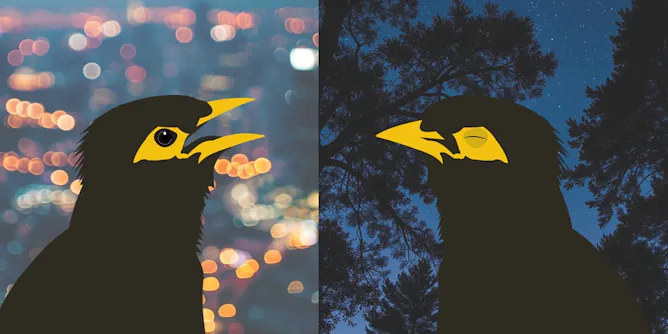
New research shows common mynas sang fewer and less complex songs after a bad night’s sleep. Poor-quality song could affect a bird’s ability to reproduce and survive.
Articles on Sleep deprivation
Displaying 1 - 20 of 67 articles

Even one night of inadequate sleep can shift your hunger into overdrive, setting off a chain reaction in the brain. But one or two nights of solid sleep can help reset metabolism.

Sleep deprivation’s silent impact on heart health, according to new research.
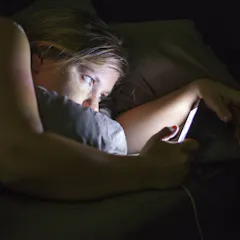
Research suggests that how often people check social media − and how emotionally engaged they are with it − can influence sleep even more than how much time they spend online.

The current system − daylight saving time and early school start times − wastes billions while causing more car accidents, workplace injuries and health issues.

Compressed hours are linked to tiredness and sleep deprivation, which can result in serious health problems and poorer decision-making.

Some social media users are trying to stay awake for as long as possible – here’s why it’s a terrible idea

Many sports fans will suffer sleep deprivation as they stay up to watch the Olympics but there are ways to minimise it and bounce back after the closing ceremony.

Fancy retreats and suites with sleep butlers and pillow menus are becoming big business. But do you really need to leave home for some shuteye?
We now have the technology and knowledge to carry out real-time dream experiments with sleeping participants.
We envisage a future in which sleep is a routine target for reducing or preventing symptoms of mental illness, both in psychiatric settings and people’s homes

Night matches at the Australian Open are a great spectacle, but sleep disruption is likely to wreak havoc even on professional athletes.

Most teens aren’t getting enough sleep, leading to poorer academic performance. Early school start times combined with natural changes in hormones and the circadian rhythm could be to blame.
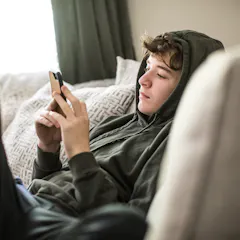
Up to 50% of US teens feel they are addicted to their devices. But help is out there.

Many studies showing an impact of insomnia on the body are flawed or not meaningful in everyday life. But they can lead to scary headlines.

Naps can be rejuvenating and beneficial to attentiveness and overall health, but the length of naps and the time of day are key.

While a cup of joe or a brief nap during an all-nighter might help you feel a little more alert, it won’t offset cognitive impairments from sleep deprivation when you’re performing complex tasks.
Ancient humans chose to sleep less, which had evolutionary benefits. For modern humans, sleeping less is futile and detrimental, but fitness may be a powerful ally in today’s epidemic of sleep loss.

REM sleep behavior disorder is characterized by acting out dreams, which may include shouting, kicking and punching during sleep.

Sleep is one of the most important things we do.
Top contributors
-

Penn State
-
Associate Professor of Neurology, University of Pittsburgh
-
Vice Chair, Department of Neurology, University of Florida
-
Director of the Pediatric Sleep Evaluation Center, UPMC Children’s Hospital of Pittsburgh, University of Pittsburgh
-
Research Professor and Director of the Behaviour-Brain-Body Research Centre, Adelaide University
-
Sleep Researcher, Appleton Institute, HealthWise Research Group, CQUniversity Australia
-
Co-Director Pediatric Sleep Evaluation Center and Associate Professor of Pediatrics, University of Pittsburgh
-
Conjoint Senior Lecturer, School of Medicine and Public Health, University of Newcastle
-
Professor of Psychology, Michigan State University
-
Professor of Criminal Justice Administration, California State University, Dominguez Hills
-
Senior lecturer, Victoria University
-
Research Fellow / Health Psychologist, Swinburne University of Technology
-
Professor of Psychology, Victoria University
-
Child Psychologist, St. Joseph's University
-
The Erdi Foundation Child Health Equity (COVID-19) Scholar, Centre for Community Child Health | Honorary, Department of Paediatrics, University of Melbourne | Team Leader / Senior Research Officer, Murdoch Children's Research Institute