
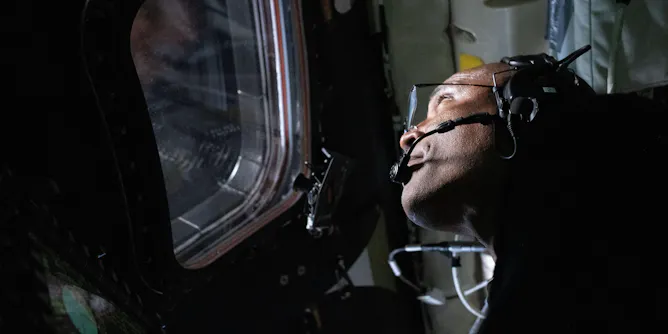
What happens to astronauts’ circadian rhythms when the Sun no longer provides a reliable schedule?
Articles on Sleep loss
Displaying 1 - 20 of 49 articles
Universities and colleges won’t necessarily pay students to sleep. But they can offer other incentives that encourage them to close their eyes earlier.

In 1619, a loud sound and a bright flash of light woke philosopher René Descartes from a dream. Was it divine revelation – or exploding head syndrome?

The majority of Australia’s squad is based overseas, which will impact their sleep and recovery in the early stages of the Women’s Asian Cup.

Folklore suggests that a full moon has a strong effect on sleep. But the reality is more complex, and lifestyle habits like screen use before bedtime are likely to have a larger effect.

Is there any science behind this TikTok trend? Cognitive shuffling attempts to mimic the thinking patterns good sleepers typically have before drifting off.

Even one night of inadequate sleep can shift your hunger into overdrive, setting off a chain reaction in the brain. But one or two nights of solid sleep can help reset metabolism.

The current system − daylight saving time and early school start times − wastes billions while causing more car accidents, workplace injuries and health issues.

Many sports fans will suffer sleep deprivation as they stay up to watch the Olympics but there are ways to minimise it and bounce back after the closing ceremony.

Sleep habits can be improved by making shifts in both daytime and evening routines.
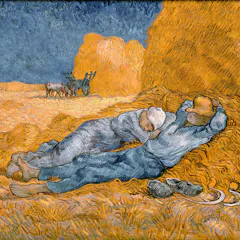
Troubled sleep is often seen as a personal problem, a failure individuals need to fix. However, literature and art can help us question the cultural and systemic issues keeping us up at night.

For over 20 years, I have researched and treated children sleep problems. The research suggests changing sleep patterns over the summer break does not have to be a problem.
How did you sleep last night? Our six-part series looks at why so many of us have insomnia, and what it’s costing us.
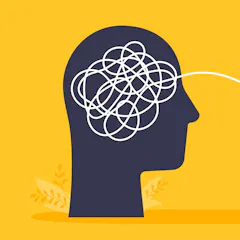
Insomnia and mental disorders are inter-related in a way we’ve yet to fully understand. But treating one can often help the other.

Too much light and noise at night in cities makes us sleep less and, as a consequence, worsens our health. Here are some of the measures that local authorities should take to remedy this problem.
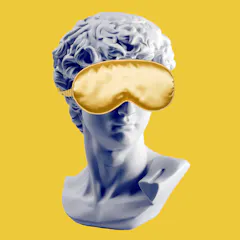
Insomnia is torture, literally, and getting enough sleep a modern obsession. Here’s why.
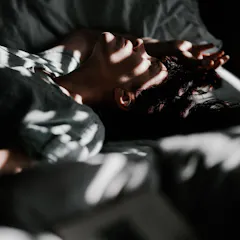
The hunt for sleep has become a global industry, with apps, drugs, self-help remedies. In a new book, author Marie Darrieussecq contemplates the curse of insomnia.

While a cup of joe or a brief nap during an all-nighter might help you feel a little more alert, it won’t offset cognitive impairments from sleep deprivation when you’re performing complex tasks.

Self-help articles and books usually point to the things we can do personally to get a good night’s sleep. But the wider social and economic causes of insomnia deserve more attention.
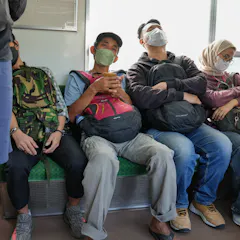
Ancient humans chose to sleep less, which had evolutionary benefits. For modern humans, sleeping less is futile and detrimental, but fitness may be a powerful ally in today’s epidemic of sleep loss.
Top contributors
-

Associate Professor of Neurology, University of Pittsburgh
-
Director of the Pediatric Sleep Evaluation Center, UPMC Children’s Hospital of Pittsburgh, University of Pittsburgh
-
Co-Director Pediatric Sleep Evaluation Center and Associate Professor of Pediatrics, University of Pittsburgh
-
Professor and Head of Paediatric Sleep Research, CQUniversity Australia
-
Associate Professor at Turner Institute for Brain and Mental Health, School of Psychological Sciences, Monash University
-
Professor, School of Medicine, University of Connecticut
-
Conjoint Senior Lecturer, School of Medicine and Public Health, University of Newcastle
-
Vice Chair, Department of Neurology, University of Florida
-
Postdoctoral Research Fellow - Sports Performance, Recovery, Injury, and New Technologies, Australian Catholic University
-
Postdoctoral research fellow, RIKEN
-
Assistant Professor of Orthopedics,, University of Colorado Anschutz
-
Professor of Neurology and Pediatrics, Vanderbilt University
-
Research Professor and Director of the Behaviour-Brain-Body Research Centre, Adelaide University
-
Researcher, Pediatric Sleep Disorders, University of Pittsburgh
-
Associate Professor in Biology and Biomedical Science, Aston University