
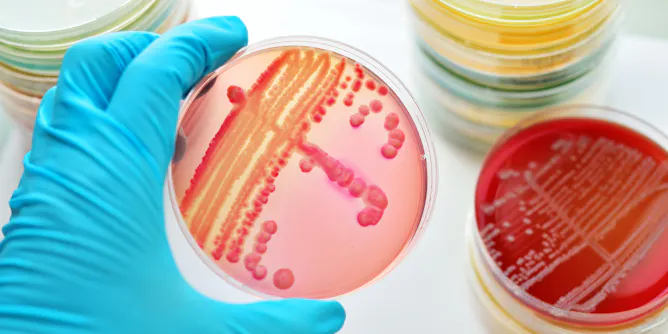
There’s one important piece of the puzzle we’re missing when it comes to antimicrobial resistance.
Articles on Antimicrobial resistance
Displaying 121 - 140 of 146 articles
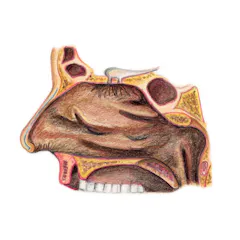
Alexander Fleming discovered penicillin in 1928 and revolutionised the treatment of bacterial infections. Ever since then we have been searching for new antibiotics.

Antimicrobial resistance continues to be a growing concern for our future health. Whose responsibility is it to intervene?

The vast majority of the bacteria that surround us are not free-floating but prefer to band together in cooperative communities called biofilms. How do biofilms form and cooperate?
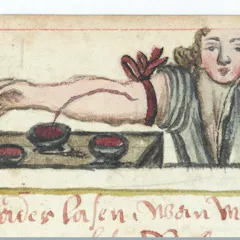
While some ancient therapies proved effective enough that they are still used in some form today, on the whole they just aren’t as good as modern antimicrobials at treating infections.

Antibiotics can prevent serious harm and stop infections becoming fatal. But they won’t kill common cold and flu viruses, and careless overprescribing by doctors can do more harm than good.

Much of the world still lacks access to proper sanitation and clean water - an issue that needs urgent action. But without low-carbon technologies, clean water could come at the expense of the climate.
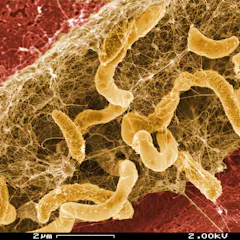
Biofilms have developed to let nutrients in but keep antimicrobials out.
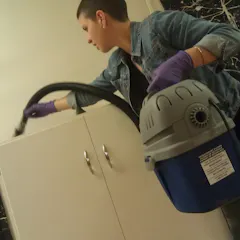
We spend much of our time inside buildings. What chemicals and microbes are in here with us? And how do they affect each other? One scientist collects dust to find out.

Advice that you have to finish the whole course of antibiotics reflects long-standing convention or the drug manufacturer’s decision during an initial trial, rather than scientific evidence.

Which of the following conditions would you prefer to have during your next stay in hospital? A. Staphylococcus aureus (Golden Staph) bloodstream infection; or B. a heart attack?

Going to the hospital can save your life, but it is not without risks. Patients can be exposed to dangerous infections while receiving treatment. In the United States, health care-associated infections…
Smoking weakens the immune system and lowers the ability of human cells to fight infection – research has shown this over and over again. Smoking cigarettes, and breathing in second-hand smoke, puts people…
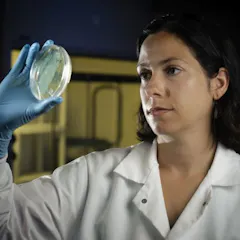
Resistance to commonly used antibiotics are in the genes of bacteria everywhere, researchers at the University of Lyon in France have discovered. A worldwide study of the gene sequences of bacteria, published…
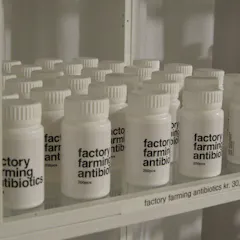
Infections and deaths caused by superbugs are increasing every year. So the government’s five-year strategy to tackle the problem, if a little tardy, is a welcome step. In January, Chief Medical Officer…
Plants have been tricked into reacting to a microbial attack, rather than that of a chewing herbivore, by Colorado potato…

Australia has some of the world’s most conservative restrictions on using antimicrobial drugs in livestock. Possibly as a consequence, we have some of the lowest rates in the world of antibiotic resistance…

Bacteria resistant to antibiotics are reaching epidemic proportions around the world, particularly in developing countries. In Australia, we’re also seeing increasing numbers of serious infections which…
You’ve got a high fever, severe cough and find it hard to breathe – all symptoms of severe pneumonia. Before antibiotics, you’d likely be dead within ten days. In fact, before we had these amazing drugs…
A new anti-microbial catheter could remain infection free for up to twelve weeks. Scientists developed a catheter designed…
Top contributors
-

Senior Research Fellow, School of Medicine, The University of Western Australia
-
Prof. Institute for Molecular Bioscience, The University of Queensland
-
Professor of Biocchemistry and Biomedical Sciences, McMaster University
-
Dean of the College of Science, Professor of Biochemistry, Rochester Institute of Technology
-
Professor, The University of Queensland
-
Consultant Microbiologist, Beaumont Hospital, Dublin, Ireland and Professor and Head of Department, Clinical Microbiology, RCSI University of Medicine and Health Sciences
-
Senior Lecturer in School of Biological Sciences, Microbiology, Monash University
-
Lecturer in the History of Medicine, University College Dublin
-
Associate Professor in Microbiology, University of Technology Sydney
-
Professor of Public Health, Bond University
-
Science Communication Researcher, Stellenbosch University
-
Professor at ANU Medical School; Senior Staff Specialist Infectious Diseases; General Physician, Australian National University
-
Assistant Professor of Public Health, Bond University
-
Professor of Biochemistry and Biomedical Sciences, McMaster University
-
Professor of Infectious Diseases and Microbiology, Australian National University