

As climate change worsens extreme weather events, people in rural areas will increasingly seek refuge in urban areas. Cities must prepare to host and care for them.
Environment + Energy – Articles, Analysis, Comment
Displaying 251 - 275 of 1736 articles

Building your own DIY air cleaner is an easy and cost-effective way to remove smoke and harmful particles from the air.
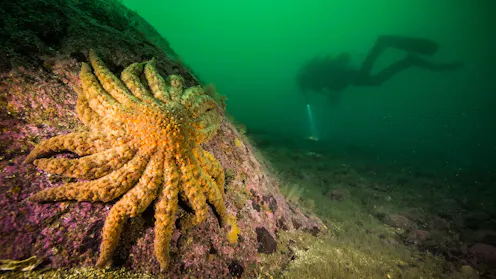
Sea stars are vital to ocean ecosystems; however, a pathogen has been killing them in large numbers, rendering some species critically endangered.

Current models for weather forecasting tend to ignore outlier data; learning how to incorporate these can help reduce risk and increase community resiliency.
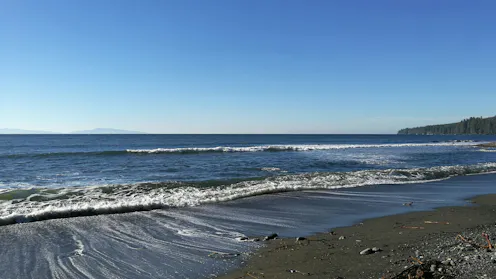
The multi-year heat wave nicknamed ‘The Blob’ impacted thousands of kilometres of marine ecosystems from Alaska to Baja California.
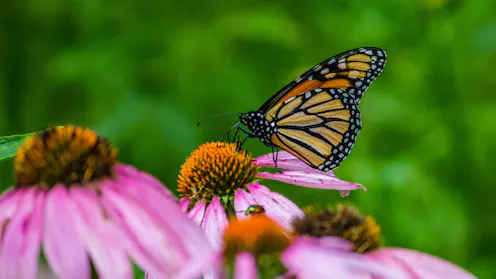
There is a wide range of simple actions anyone can take to regenerate and conserve biodiversity right at home.
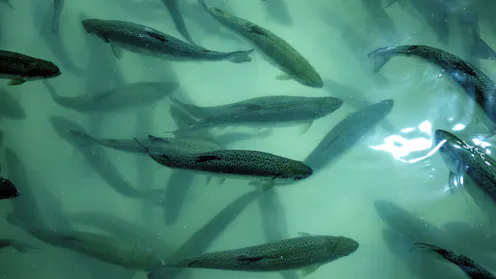
Tires are complex chemical products. When they wear away, they release additives into the environment that can poison wildlife.

In Canada, heat produced by data centres, grocery stores, laundromats, restaurants, sewage systems and hockey arenas could be captured and turned into energy.
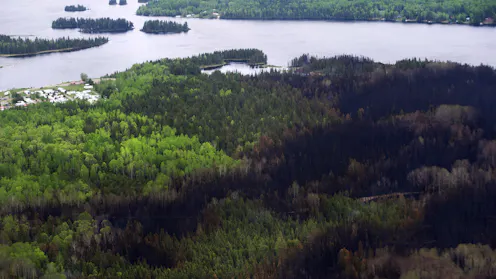
A recent study indicates that forest management in Northern Ontario is placing timber harvesting above safeguarding natural environments and compromising animal habitat.
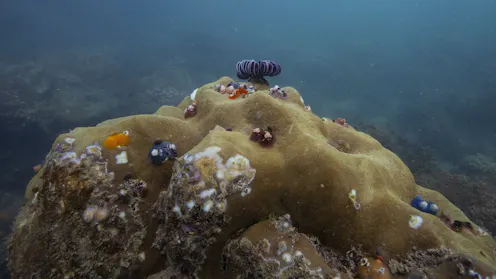
Coral reef conservation needs to take an equitable approach and include local impacted communities in decision-making and resource distribution.
Vast deposits of naturally occurring hydrogen hold promise for a green future. However, policies need to be enacted for the extraction and circulation of hydrogen.

Reducing risk and managing beneficial fires require co-ordinated action from governments, communities and individuals.
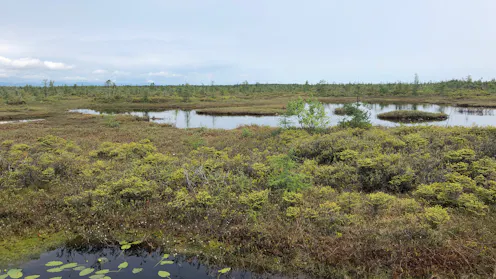
Canada is home to a quarter of the world’s remaining wetlands. Despite decades of efforts, wetlands continue to be under threat around the world.

Colonialism, corporate greed and lax regulation led to widespread pollution, particularly affecting Yellowknives Dene communities.

The Costa Rican beach where actor Malcolm-Jamal Warner drowned is known for its dangerous rip currents. A researcher who has studied the beach explains why it’s so dangerous.
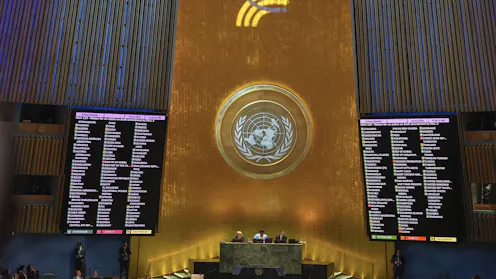
For the UN Pact for the Future to be successful, there has to be a focus on environmental and social justice, an influx of cash and resources, and an incorporation of new technologies.
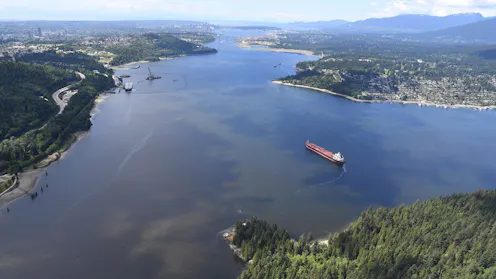
Community-based research led by the Tsleil-Waututh Nation offers insight into how colonization has impacted the waters around Vancouver.
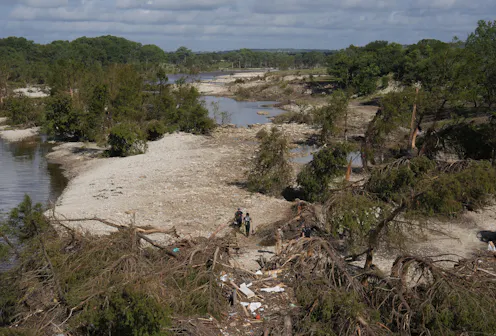
Flash floods are increasing in frequency, severity and impact. The Canadian government needs to learn from the Texas tragedy and co-ordinate weather information and warning systems.

Traditional methods for controlling Varroa mites are becoming less effective, but AI-enabled non-invasive methods could help improve detection and keep bees safe.
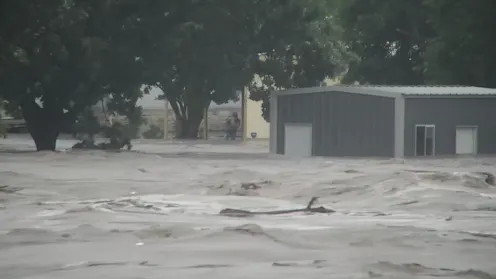
Understanding the combination of meteorological, geomorphological and hydrological factors that led to the Texas flood could help prevent future disasters.

Creating energy corridors is in the national interest, and the Canadian government should prioritize funding clean energy supply solutions.
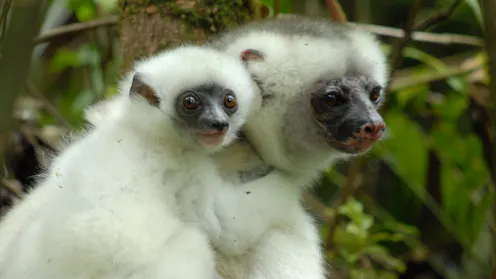
Climate change, forest fragmentation and hunting threaten lemur populations in Madagascar, and impact the health of mothers and infants.

Government assessments of gene-edited pigs should provide opportunities for inclusive public engagement
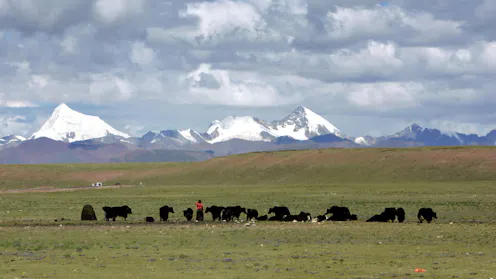
China’s climate policies aim for sustainability, but for ethnic minorities, they often bring displacement, economic strain and erosion of cultural traditions.
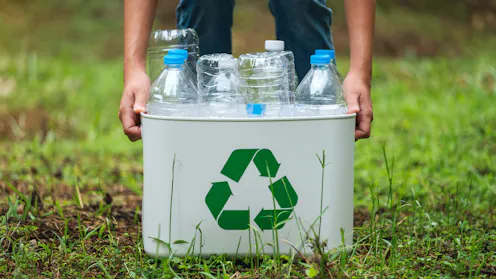
Offering people the chance to win a prize instead of only receiving their deposit back could incentivize more people to recycle more often.