
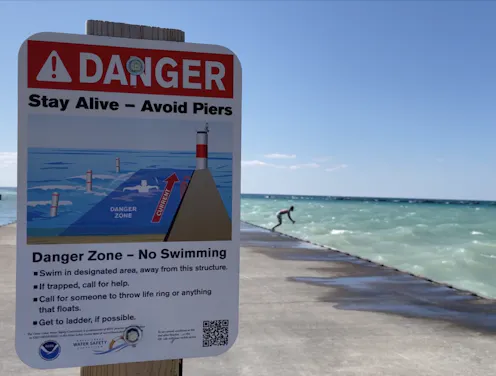
To ensure a safe trip to the beach, seek out information about rip currents and other surf hazards in the Great Lakes.
Environment + Energy – Articles, Analysis, Comment
Displaying 276 - 300 of 1736 articles

Major infrastructure projects can contribute to local economies, but when not managed properly, they can also place undue pressure on local health-care services.

Economic modelling suggests pipelines like Northern Gateway and Energy East would help insulate Canada from the threat of U.S. tariffs.
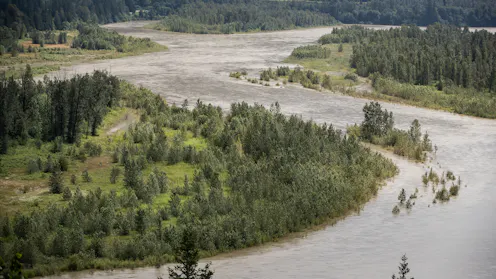
Riprap can bury the spawning habitats of fish, increase river temperatures and exacerbate erosion elsewhere. There are alternative ways to stabilize riverbanks.

Rocks from the Hadean Eon, the first period in the geological timescale, have been dated in Québec. These are some of the oldest terrestrial materials dated by scientists.
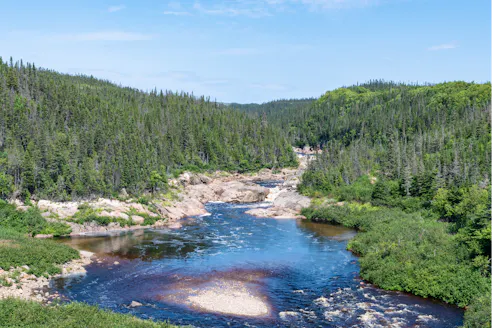
The agreement with the Innu comes at a time when Québec seeks to develop its battery industry. The resources required for this production are often located on Indigenous territories.
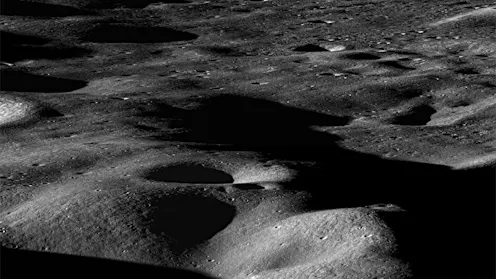
As humanity moves closer to extracting and using space resources, the need for a cohesive and responsible global governance system has never been greater.

Varying approaches to waste definition and management have made it a challenge to track what happens to the waste we recycle.

A strong majority of Canadians believe climate change should be a priority in education, but teachers and students lack the necessary tools and support to effectively incorporate it into classrooms.

Plankton are vital to planetary and climate stability and are therefore important contributors to human well-being.

A research team at Simon Fraser University has developed an AI-powered robot that can autonomously water plants and monitor plant health.

A newly discovered species of ancient predatory fish in Nova Scotia sheds light on how early ray-finned fish evolved new ways to feed.
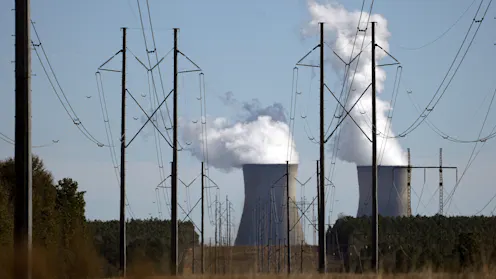
The hundreds of millions of people now using AI have added significant demand to the power grid, and that demand is only growing.

AI-powered systems can help manage energy grids, building temperatures and predict weather to store and use energy more efficiently.

When it comes to the energy transition, focus tends to be on solar, wind or hydroelectricity. But small modular nuclear reactors are showing promise globally.

Mark Carney has the chance to differentiate Canada from the U.S. and demonstrate his leadership on climate. Instead, at the G7 summit and beyond, he seems to have abandoned his climate principles.

Bill 5 and C-5 threaten to bypass environmental safeguards and the duty to consult with Indigenous communities for the sake of short-term profits.

A healthy and sustainable planet means supporting action based on scientific evidence, not misinforming people with catchy phrases and political rhetoric.
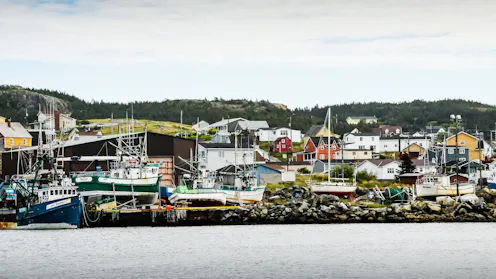
Policymaking on managing Canada’s fisheries could be improved by including provincial authorities and Indigenous stakeholders in more decision-making.
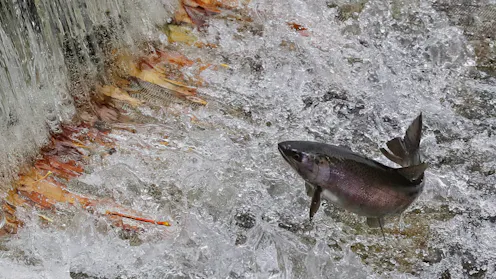
Freshwater ecosystems are among the most threatened and degraded environments in the world. The way we use the land surrounding waterways can have devastating impacts on aquatic life.
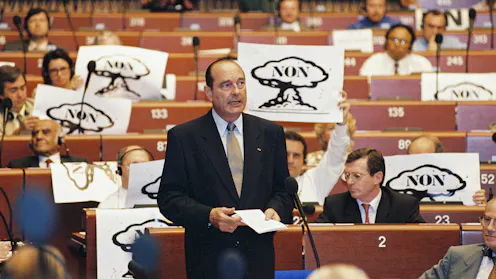
Three decades after France’s last nuclear tests, those living near the test sites still await compensation for the harms caused.
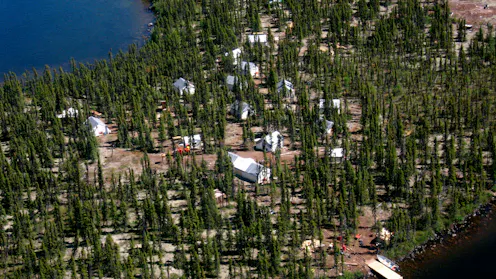
Indoor farming helps northern Manitoba communities access fresh, healthy food and address rising rates of diabetes, cardiovascular disease and hypertension.

As climate change and disrupted weather patterns impact countries around the world, leaders must act to mitigate the negative effects on public health.

Wildfire smoke doesn’t just darken the skies — it harms the brain, especially in those most vulnerable.

As climate change leads to more extreme weather, temporary climate displacement could become permanent migration.