
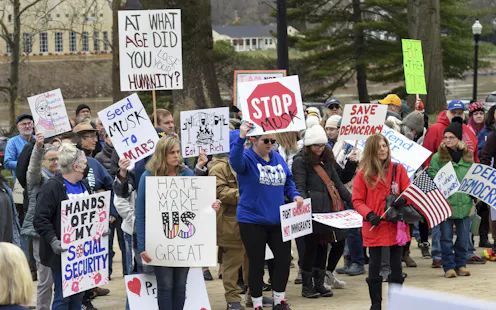
EDI is rooted in historical social movements that fought against exclusion. We cannot address environmental challenges without confronting class, gender and racial inequities.
Environment + Energy – Articles, Analysis, Comment
Displaying 351 - 375 of 1736 articles

Using more appealing language and descriptions — rather than simply labelling foods ‘vegan’ or ‘vegetarian’ — can encourage people to choose plant-based foods more often.

The Little Ice Age, which lasted around 500 years, had a profound impact on the environment and the people who lived around Lake Ontario.

Addressing climate change involves many industries and sectors, including housing. Net-zero housing requires collaboration from all levels of government and the building sector.
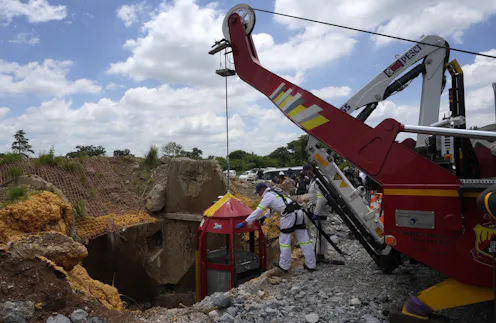
Security governance at abandoned or closed mining sites must be improved and inclusive policies that address employment needs must be implemented.

Campaigners in Namibia are demanding that the government and industry halt the expansion plans on Shark Island, and meaningfully engage with reconciliation.

Retrofit programs that improve home energy efficiency have become one of Canada’s main strategies to cut emissions in the housing sector. But do these programs deliver on their promises?

Health systems are made up of people who are often members of the same disaster-stricken communities they serve. They respond to climate-related events, but are affected by them too.

Canada and Norway have been global leaders in the transition to green energy infrastructure. As global demand for energy increases, these countries are in prime position to collaborate and continue to lead.

By slightly altering their algorithms, video sharing websites like YouTube could help achieve vital advances in climate action across the political spectrum.
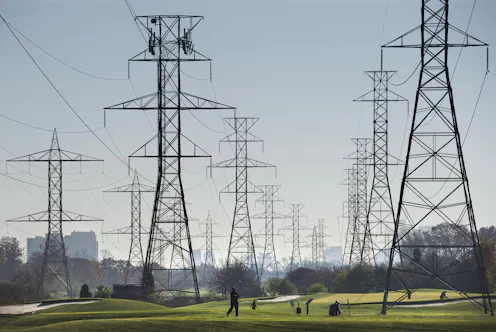
The Ontario government’s new policy directive to allow bids from natural gas and nuclear energy may hinder the province’s ability to transition to a cleaner and more sustainable energy future.

Usual approaches to addresing the climate crisis are not working, and as the world changes many are struggling to find a clear sense of place. Learning to love the world could help solve both issues.
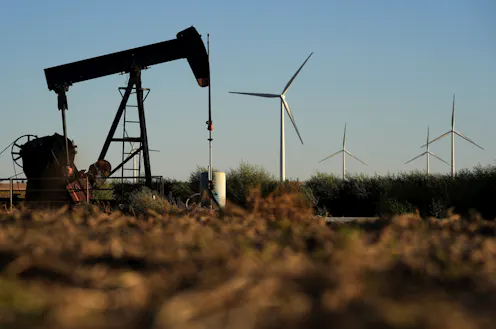
Trump’s own actions may undermine his vision of an American manufacturing renaissance by cutting crucial investments.

Regardless of Donald Trump’s embrace of fossil fuels, the writing is on the wall. It’s not a matter of if the world moves away from them dramatically, but when.

Sedimentary deposits containing well-preserved diatom cells record a lake’s environmental changes. Studying them can help us understand the impacts of climate change.

Should Canada pull back on its EV ambitions, or double down to secure its position in the global market?

When asked to suggest solutions for environmental challenges, chatbots reflected biases. This could have harmful effects on how we understand and communicate climate change.

Despite the challenges a second Trump administration will bring, Canada can continue to address climate change by working with sub-national leadership in the U.S.

Despite its feminist ambitions, taking a closer look at Canada’s role in countries where it has significant mining interests reveals a more complex and nuanced image of Canada in the world.
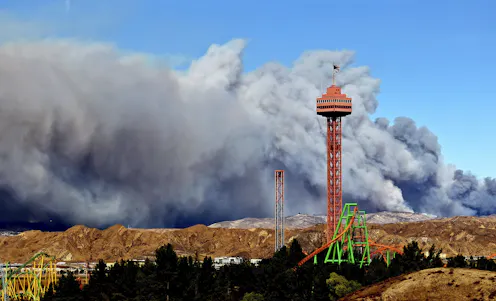
Researchers in climate change communication and environmental sociology propose potential ways to tackle climate change misinformation online

Economic interests can motivate local governments in China to pursue policies that result in excessive growth and can lead to unintended foreign policy consequences.

Agricultural and fishing practices are changing the biodiversity and stability of entire regions.
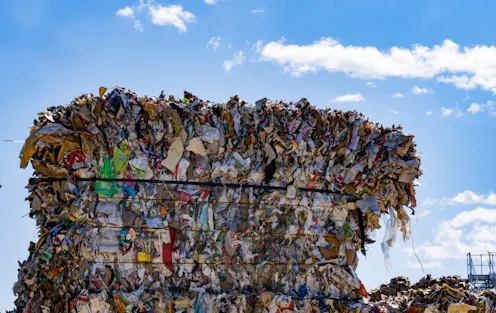
We don’t recycle enough! Cities, as the main sources of consumption and waste production, are strategically positioned to reverse this trend.

Canadians must recognize that climate change is not only changing our landscape and lifestyle, but also exposing imminent threats to our national security and sovereignty.

Public sentiment related to nuclear power remains highly contentious. As nuclear energy regains momentum, its path forward will require rebuilding public trust.