
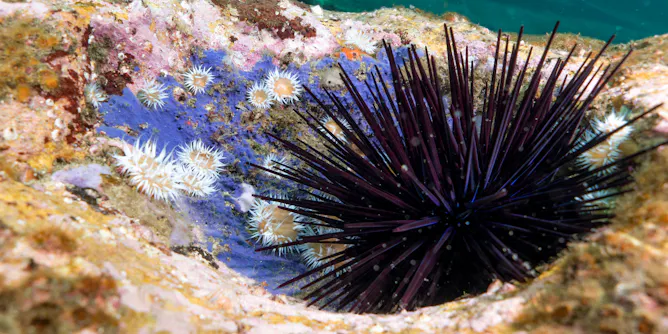
Sea urchins eat kelp – but new research shows their diets and relationships with kelp forests are more complex than commonly thought.
Articles on Marine heatwaves
Displaying 1 - 20 of 110 articles

These underwater disasters can trigger coral bleaching and massive fish kills.

Scientists have been monitoring the reef’s health for the past 40 years.
Could marine heatwaves in the cold Southern Ocean be making animals and birds migrate? It’s possible – but we need better monitoring to know.
The full picture of potential consequences of the UK’s marine heatwaves is only just starting to emerge.

Most of the heat from global warming ends up in the oceans, not the atmosphere.
More than 90% of the heat trapped by greenhouses goes into the ocean. But what happens in the oceans doesn’t stay there.
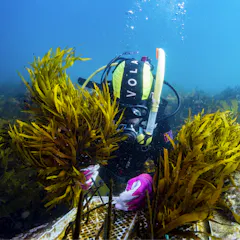
Many of Australia’s shimmering seaweed forests are disappearing as the oceans get hotter. It’s time for an insurance policy.
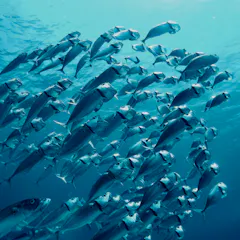
El Niño can trigger intense periods of extreme ocean warming known as marine heat waves that can devastate marine life.
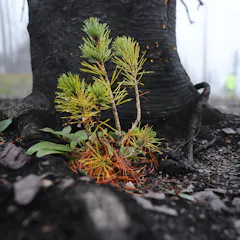
The dead remains of foundation species can boost or deter how well future generations are able to grow and thrive.

While many Indonesian reefs have remained surprisingly stable despite decades of ocean warming, this resilience has its limits.
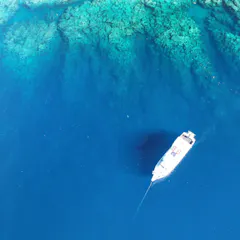
Coral reefs underpin tourism and small fisheries, but are under threat from rising ocean temperatures.

When we see shearwaters washed up dead on beaches, we might think strong winds or a failed migration are to blame. That’s not the case – it’s hotter oceans
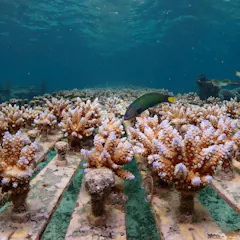
Scientists and reef managers are calling for ‘assisted evolution’ to help accelerate coral reef adaptation in the face of global warming.

The Hauraki Gulf is already experiencing more frequent and longer lasting marine heatwaves. Seabirds now have to travel further to find enough food.

Coral reefs are likely to erode even under low-emission scenarios, but some reefs may persist if corals evolve to become more resistant to ocean warming.
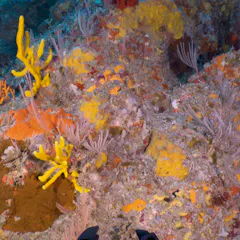
A new study challenges a common assumption that deeper marine ecosystems act as refuges which could reseed damaged shallower reef systems.
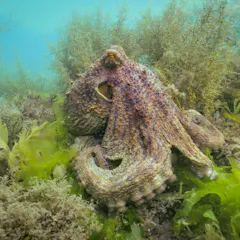
Climate-driven shifts in ocean and atmospheric dynamics underpin these recent blooms in octopus numbers in UK waters.
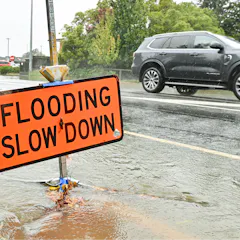
Understanding what is happening deep beneath the ocean surface is key to understanding the weather patterns we are experiencing on land.
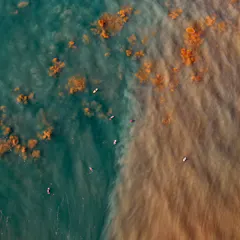
More than a fifth of the global ocean has gradually lost underwater light. But short, intense “marine darkwaves” can be just as damaging for life below the surface.
Top contributors
-

Professor of Marine Botany, The University of Western Australia
-
Professor in Oceanography, UNSW
-
Professor, UNSW
-
Chief Research Scientist - Environment, CSIRO
-
UNESCO Chair on Climate Change Variability of Natural and Cultural Heritage and Professor in Physics, James Cook University
-
Professor of Physical Oceanography, The University of Western Australia
-
Research Fellow in Marine Ecology, Marine Biological Association
-
Director of the ARC Centre of Excellence for Our Future Oceans and Scientia Professor in Oceanography, UNSW
-
Assistant Professor of Physical Oceanography, Dalhousie University
-
Professor of Marine Biology, Te Herenga Waka — Victoria University of Wellington
-
Senior lecturer, UNSW
-
Professor of Environmental Law, University of Tasmania
-
Professor of Ocean and Climate Dynamics, University of Tasmania
-
Climate Projections Scientist, CSIRO
-
Adjunct Research Fellow, Te Herenga Waka — Victoria University of Wellington