
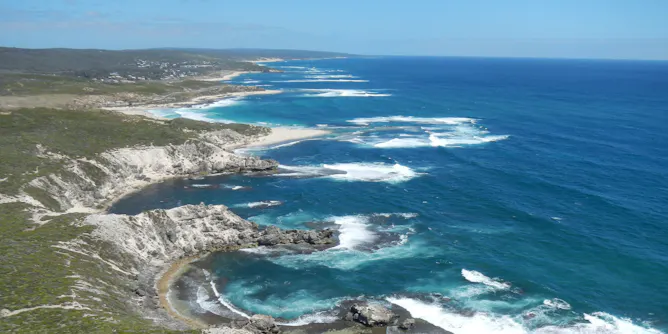
Australia’s southwest is a biodiversity hotspot - and it’s also a climate change hotspot. Something has to give.
Articles on Marine heatwaves
Displaying 81 - 100 of 110 articles
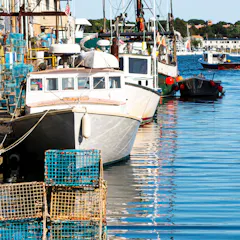
The indirect losses from one heatwave in Western Australia caused A$4.14 billion per year worth of damage.
The Blob, a long-lasting mass of warm water, sat off the Pacific coast of North America for years, bringing new species to formerly cold waters. What allows some to survive while others fade away?
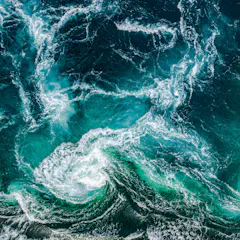
The oceans around New Zealand are warming faster in winter than in summer. During the winter of 2021, most coastal areas were warmer than usual, and this is likely to bring more storms during summer.
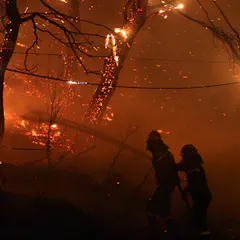
Academic research can shed light on crucial questions about what life on Earth will be like under the most plausible emissions scenarios. And a warning: the answers are confronting.
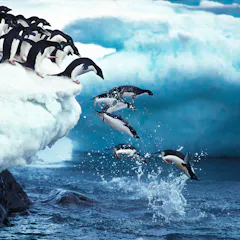
The latest IPCC report makes it clear we can no longer stop the seas from rising, but we can still control how much and how fast sea levels change.

Australia may warm by 4°C or more this century, the IPCC has found. As these IPCC authors explain, there is no going back from some changes in the climate system.
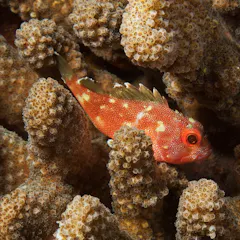
During a 2015 heat wave, scientists watched as a coral reef died before their eyes. By the end of the century, almost all the world’s corals will be gone if climate change continues at this pace.

Researchers found 16% of coral species have not been seen for many years. This finding is alarming, because local extinctions suggest global extinctions may be looming.

One cold winter doesn’t negate more than a century of global warming. We need the political leadership to set the world on a safer path. Ill-informed tweets by government senators won’t help.
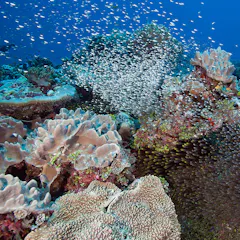
Scientists watched in real time as rising ocean heat transformed the sprawling reef. It was a harbinger for ecosystems everywhere as the planet warms.
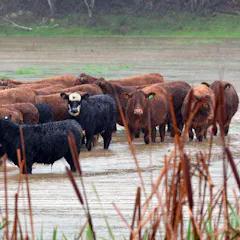
As the planet continues to warm, extreme weather events such as heatwaves and heavy rainfall are becoming more frequent, intense and longer, according to global weather data.
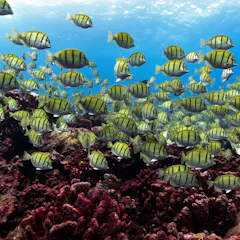
Reef fish vanish during marine heat waves, but may bounce back quickly on reefs that have few other environmental stressors.

While most corals turn ghostly white when they bleach, some turn neon purple. Scientists were baffled – until now.
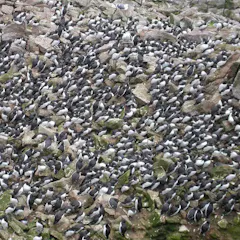
As well as a stark warning about climate change, the disaster underlines the importance of wildlife monitoring.
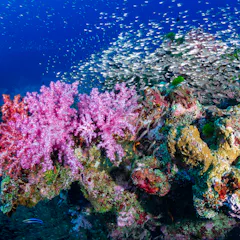
Fish larvae will swim towards the sounds of a desirable reef, but degraded reefs cannot be rebuilt on sound alone.
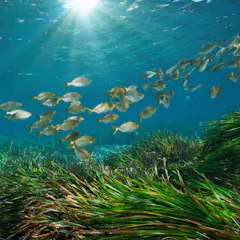
Oxygen produced by these plants helps animals boost their metabolism to match the heat.
Coastal communities are helping scientists understand the impacts of marine heatwaves — and find solutions.

How super is a super coral? And what are they super at? Protecting our coral reefs means we need to find out.
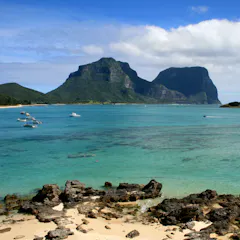
Marine heatwaves have caused coral bleaching in one of the most isolated ecosystems in the world.
Top contributors
-

Professor of Marine Botany, The University of Western Australia
-
Professor in Oceanography, UNSW
-
Professor, UNSW
-
Chief Research Scientist - Environment, CSIRO
-
UNESCO Chair on Climate Change Variability of Natural and Cultural Heritage and Professor in Physics, James Cook University
-
Professor of Physical Oceanography, The University of Western Australia
-
Research Fellow in Marine Ecology, Marine Biological Association
-
Director of the ARC Centre of Excellence for Our Future Oceans and Scientia Professor in Oceanography, UNSW
-
Assistant Professor of Physical Oceanography, Dalhousie University
-
Professor of Marine Biology, Te Herenga Waka — Victoria University of Wellington
-
Senior lecturer, UNSW
-
Professor of Environmental Law, University of Tasmania
-
Professor of Ocean and Climate Dynamics, University of Tasmania
-
Climate Projections Scientist, CSIRO
-
Adjunct Research Fellow, Te Herenga Waka — Victoria University of Wellington