

A partnership that combines Western science and Traditional Owners’ ecological knowledge is restoring the seagrass meadows of Gathaagudu/Shark Bay.
Articles on Marine heatwaves
Displaying 41 - 60 of 111 articles
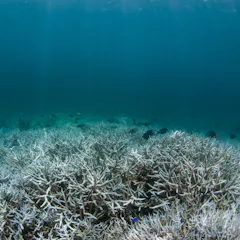
Increasing coral bleaching will be worst for the most biodiverse reefs along the equator, impacting the livelihoods and nutrition of the people who depend on them.
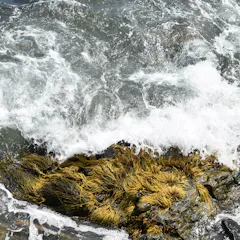
Underwater rivers ferry large volumes of seaweed from shallow seas into the deep, where its carbon is stored naturally
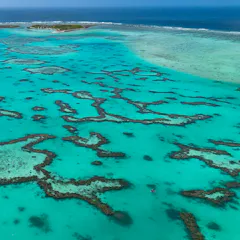
Bleached coral draws our attention, but marine heat does damage to many unseen parts of these ecosystems.
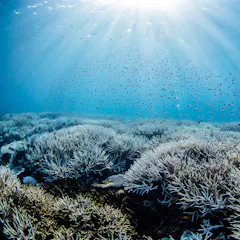
Heat is surging in the world’s oceans. Climate change and El Niño explain part of it – but not all.
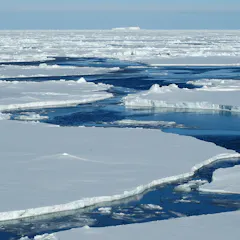
In 1898, a pioneering Antarctic expedition was stuck in sea ice for over a year. In 2024, that area is open water.
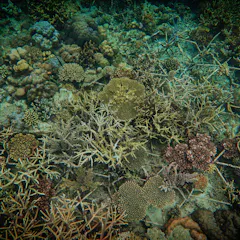
Artificial reef stars have been added to damaged coral reefs in Sulawesi, Indonesia. A new study shows that within just four years, restored reefs are thriving as much as healthy reefs.
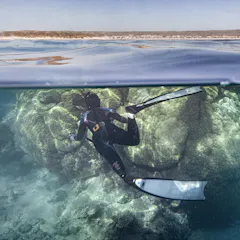
The best strategy to protecting Earth’s coral reefs is to dramatically cut greenhouse gas emissions. But in the meantime, we must urgently make corals more resilient.
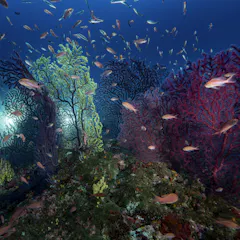
In the Mediterranean, heat waves are decimating underwater forests that are essential to ecosystems. The gorgonians seem to be better able to resist in the depths, but this refuge may only be temporary.
Floodwaters pulsing into the sea normally clear within six days. But the 2022 floods in eastern Australia were different.
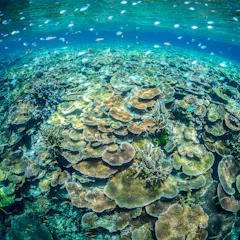
Experimenting with climate messaging reveals the best ways to inspire individual action. Here’s how to talk about the Great Barrier Reef this summer.
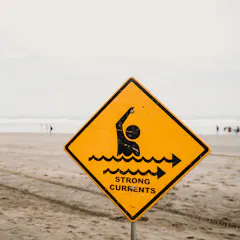
Giant eddy currents in the sea spread heat. But if trapped in place, they can cause marine heatwaves deadly to sea life. And there’s a big one shaping up off Sydney right now.
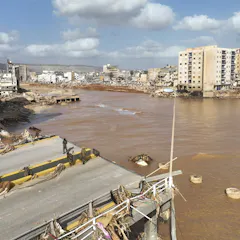
Climate assemblies may just provide the breakthrough required to develop popular, just and sustainable climate and energy policies.

New Zealand’s kelp forests provide food and shelter for many marine species of commercial and cultural value. But they are at risk from warming oceans, run-off from land and marine invaders.
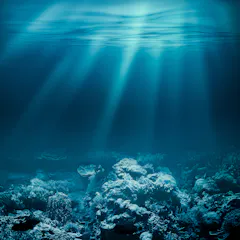
Marine heatwaves aren’t just on the surface. They can be at their most destructive when they sweep along the seafloor.
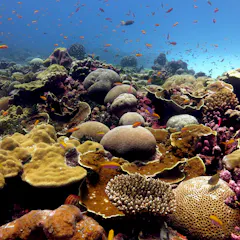
Exploring the often unseen, and poorly understood, nuances of diversity within coral reefs may prove essential for ensuring the long-term health of Earth’s oceans.
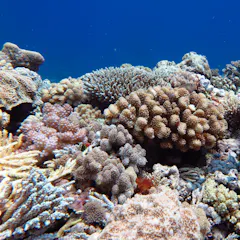
We used to focus just on protection of vital ecosystems like the reef. But as climate change and other threats accelerate, we need to actively help nature get ready for the heat.
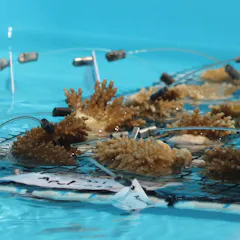
Ocean temperatures have hit record highs off the Florida Keys. Scientists and volunteer divers are racing to save these valuable creatures.
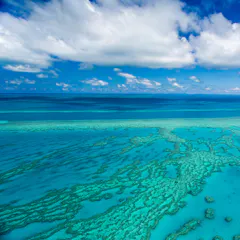
Incrementalism and politics as usual cannot save the Barrier Reef from the largest threat it faces – the heat ramping up from climate change
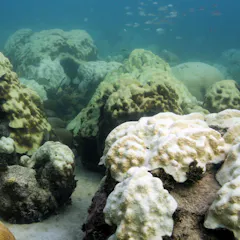
Water temperatures in the 90s off Florida in July are alarming, a NOAA coral scientist writes. Scientists in several North American countries have already spotted coral bleaching off their coasts.
Top contributors
-

Professor of Marine Botany, The University of Western Australia
-
Professor in Oceanography, UNSW
-
Professor, UNSW
-
Chief Research Scientist - Environment, CSIRO
-
UNESCO Chair on Climate Change Variability of Natural and Cultural Heritage and Professor in Physics, James Cook University
-
Professor of Physical Oceanography, The University of Western Australia
-
Research Fellow in Marine Ecology, Marine Biological Association
-
Director of the ARC Centre of Excellence for Our Future Oceans and Scientia Professor in Oceanography, UNSW
-
Assistant Professor of Physical Oceanography, Dalhousie University
-
Professor of Marine Biology, Te Herenga Waka — Victoria University of Wellington
-
Senior lecturer, UNSW
-
Professor of Environmental Law, University of Tasmania
-
Professor of Ocean and Climate Dynamics, University of Tasmania
-
Climate Projections Scientist, CSIRO
-
Adjunct Research Fellow, Te Herenga Waka — Victoria University of Wellington