
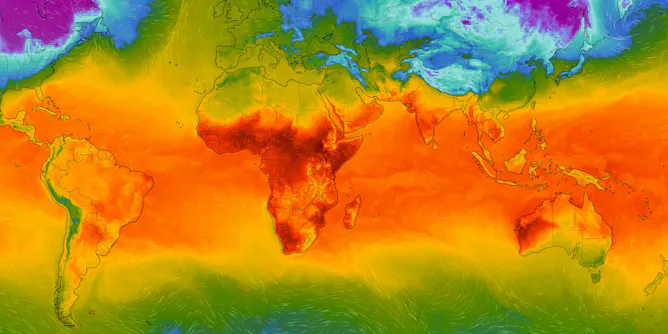
Cutting carbon dioxide emissions to zero by 2050 will reduce global warming, but climate modelling shows that some regions may still experience extreme heat.
Articles on Heatwave
Displaying 101 - 120 of 407 articles
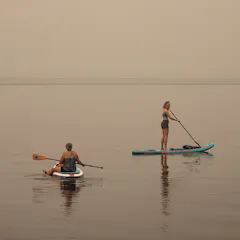
Exposure to either wildfire smoke or extreme heat poses a significant threat to health. When they occur together, it may amplify the health risks of exposure.
Use electric fans as your first cooling strategy, and only turn on the aircon when the indoor temperature exceeds 27°C.

On a hot summer’s day in Melbourne, the artificial turf hit a top temperature of 72°C. This is sufficient to cause irreversible skin burns in just ten seconds.

Before buying or renting your next home, take a closer look at how it will cope with the heat. Try this expert 12-point guide to avoiding ‘hot boxes’.
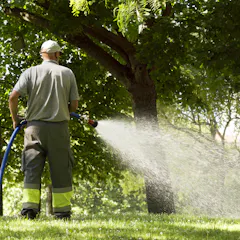
Trees and greenspace can drive down urban temperatures – but they must be able to draw water from the soil to achieve these massive cooling effects.
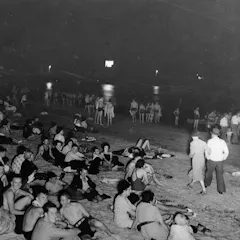
In 1939, Adelaide endured 13 straight days of extreme heat – residents’ diaries from the time reveal old-fashioned cooling strategies.

Clothing made of cotton and linen is highly hydrophilic. It tends to absorb moisture and disperse it across the fabric, allowing it to evaporate more easily.
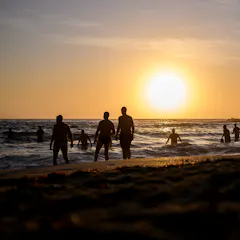
Increasing temperatures puts a strain on electricity supplies, while bushfire smoke can limit the electricity produced by solar panels. So, what can we do about it?
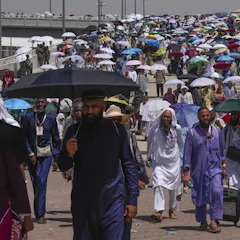
Our bodies have hard limits as to how much heat and humidity we can tolerate. Lethal humid heat is a growing threat

Much of the country is sweltering under extreme heat that was very well forecast. But seemingly minor factors can make a big difference to what happens on the day.
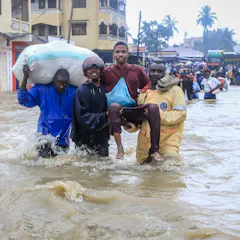
Climate information services that warn of impending disasters need to be set up fast if African countries are to have a chance of minimising the damage caused by extreme weather.

Although heatwaves can affect everyone, older adults are particularly at risk. But our new research has found older Queenslanders don’t necessarily believe heat poses a risk to their health.
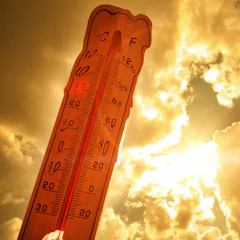
By 2050, 235 million people in Africa over the age of 60 will be affected by heatwaves, floods and drought. Governments must develop special plans for older people to adapt to climate change.

We examined how households in Victoria cope with, adapt to and endure summer heatwaves. Most took a short-term view. A more sophisticated, long-term approach to managing heatwaves is needed.

Heat-related deaths are increasing. People at greatest risk in extreme heat include older people, those with chronic conditions and those without air conditioning.

An essential guide to preventing, spotting and treating heat-related illness in pets.

Contrary to popular belief, new research shows the abrupt, often gale force wind changes known as “southerly busters” are becoming more frequent, but less severe, as the climate changes.
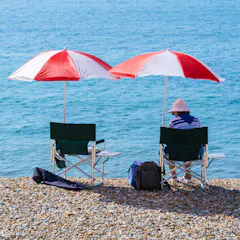
An anatomist reviews the evidence on the best way to stay cool and avoid hyperthermia.

Here’s how to reduce heat-related health risks during major sporting events, from the Summer Olympics to test cricket. Athletes, officials, spectators and volunteers all need to take responsibility.
Top contributors
-

ARC Future Fellow and Associate Professor in Climate Science, ARC Centre of Excellence for 21st Century Weather, The University of Melbourne
-
Deputy Director, Engagement and Impact, The ARC Centre of Excellence for the Weather of the 21st Century, Australian National University
-
ARC DECRA Fellow, UNSW
-
Honorary Associate Professor in Environmental Health, Australian National University
-
Postdoctoral Researcher, Climate Science, University of Oxford
-
Professor emeritus, The University of Melbourne
-
Adjunct Professor of Environmental Geography, CQUniversity Australia
-
Adjunct Professor (Practice) in the School of Earth, Atmosphere and Environment, Monash University
-
Senior Lecturer in Climate Change, University of Waikato
-
Head of the Centre for Water, Environment, Sustainability and Public Health, University of Strathclyde
-
Regius Professor of Meteorology and Climate Science, University of Reading
-
Climate Scientist, Australian Bureau of Meteorology
-
Professor of Pyrogeography and Fire Science, University of Tasmania
-
Professor, Water and Landscape Dynamics, Fenner School of Environment & Society, Australian National University
-
Climatologist, Australian Bureau of Meteorology