

To survive dry spells, trees stop the water-rich process of photosynthesis. When nature’s natural carbon capture machine grinds to a halt entire forests end up producing more CO₂ than they absorb.
Articles on Drought
Displaying 1 - 20 of 751 articles

The grass is greener, but surface improvements tell only part of the story.

Playing out year over year, the chaotic cycle of drought crises has become a familiar experience for British Columbians.
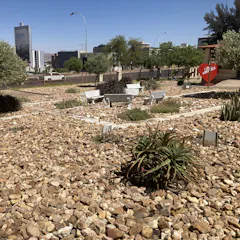
New research shows how Windhoek’s ‘Brown is Beautiful’ approach could use its dry landscape to protect the city from heat, drought and floods.
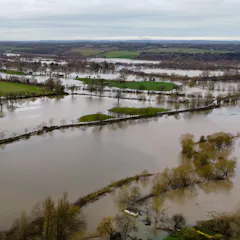
We have built the system to shed much of the surplus rather than keep it. We allow a wet winter to rush away, then ration what remains through a dry summer.
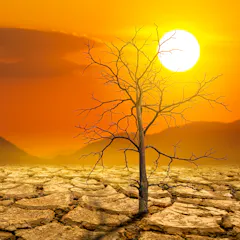
The world is likely to pass 1.5°C of warming. Africa faces worse heat, drought and floods, but faster cuts to emissions can still limit the overshoot damage.
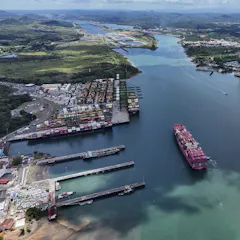
El Niño can affect agriculture, marine life and economies in profound ways, including slowing commerce at the Panama Canal. This El Niño is likely to be the strongest in over a century.
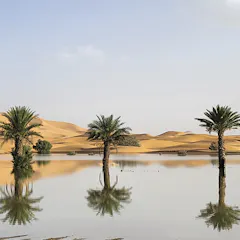
After seven years of drought and one extraordinary wet winter, northwestern Africa now faces another season of uncertainty.
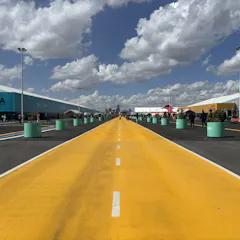
Fighting drought and combating desertification are climate obligations.

Pistachio production will require even more water use by 2050 if temperatures and greenhouse gas levels continue to rise.
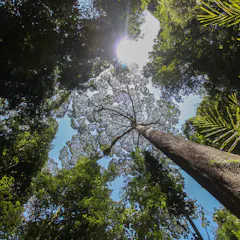
Ecologists thought the largest trees would be most vulnerable to drought. The reality is more complex, with some forest giants unexpectedly resilient.
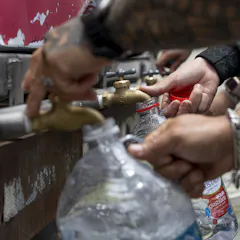
Drought and a ruptured pipeline have forced Puerto Rico into revolving water shut-offs. For many people, the disruption started years earlier, as did loss of faith in the utility.
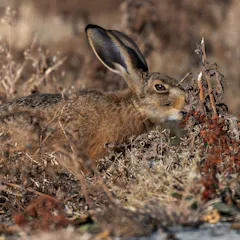
Britain’s native species are adapted to a cool, wet climate. This summer is putting them under strain.

These fine particles can do significant harm to transport networks, farming and even human health.
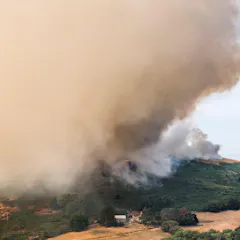
This summer will be one of the coolest in your lifetime. With better planning for these now normal extreme summers, some heat-related deaths can be prevented.
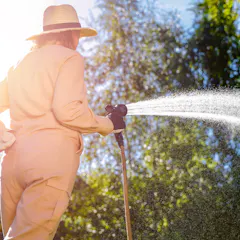
A hosepipe ban succeeds where abstract messaging often fails, because it turns a distant risk into a visible, felt experience.

As summers get hotter and drier, it’s time to rethink what parks and gardens should look like.
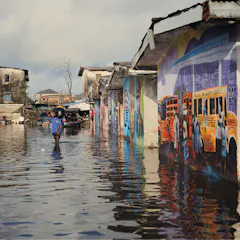
Crises that add up on top of each other have to be addressed in an integrated way.

This term describes dramatic swings between different kinds of extreme weather.
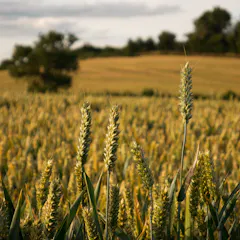
The amount of land occupied by a farming system does not necessarily reflect its importance to our food supply.
Top contributors
-

Professor, Water and Landscape Dynamics, Fenner School of Environment & Society, Australian National University
-
ARC Future Fellow and Associate Professor in Climate Science, ARC Centre of Excellence for 21st Century Weather, The University of Melbourne
-
Adjunct Professor (Practice) in the School of Earth, Atmosphere and Environment, Monash University
-
Professorial Fellow, University of Canberra
-
Regents Professor Emeritus and Morris K. Udall Professor of Law & Public Policy Emeritus, University of Arizona
-
Climate Scientist, Australian Bureau of Meteorology
-
Associate Professor in Environmental Science, Western Sydney University
-
Climate scientist, Australian Bureau of Meteorology
-
Climate Scientist, Australian Bureau of Meteorology
-
Lecturer, School of Agriculture, Food and Ecosystem Sciences, The University of Melbourne
-
Professor of Physical Geography, University of the Witwatersrand
-
Associate Professor of Civil Engineering, Boise State University; United Nations University
-
Senior Research Associate, UNSW
-
Visiting Adjunct Professor, School of Governance, University of the Witwatersrand
-
Senior Climatologist, Australian Bureau of Meteorology