
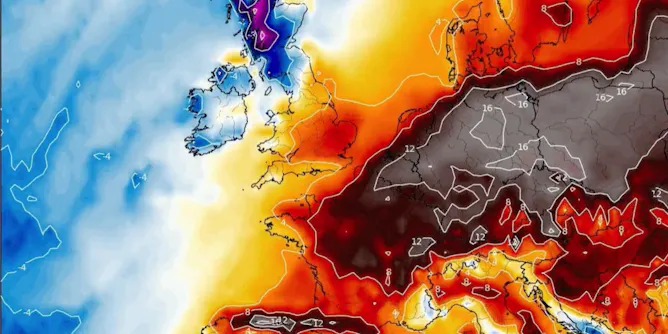
Europe’s recent heatwave was one of the most severe ever.
Articles on Heatwave
Displaying 181 - 200 of 407 articles

If you don’t consume enough water, you may experience symptoms of dehydration such as headaches, dizziness, tiredness, low concentration, constipation and a dry mouth.

Soaring power bills add to people’s worries about keeping their homes cool, especially as their health can suffer if they don’t. Fortunately, there are effective and affordable ways to beat the heat.

A heatwave across northern Australia comes as a shock to the system. The impacts of heat are worst in early summer when we’ve had less time to acclimatise, so it’s important to heed health warnings.
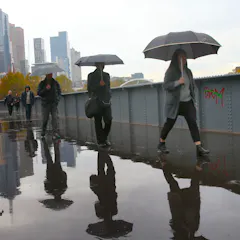
The report synthesises the latest science about Australia’s climate – and paints a worrying picture.

Changing habitat ranges, competition for food and water, and biological effects of climate change all pose threats to wildlife.

Air conditioners are rare in some European countries, but the climate crisis could change that.
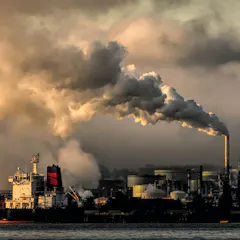
Our planet is undeniably in crisis and desperately needs COP27 to succeed. Without concrete action, we are condemning today’s children to a harsher future.

The first chief heat officers appointed in Australia are part of a global partnership that’s responding to the dangers of rising city temperatures and the need to manage the risks.
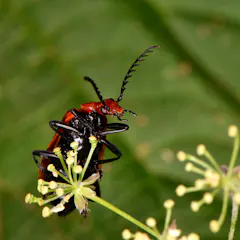
Climate change is exposing animals to temperatures outside of their normal limits – a new study has found that insects have a particularly weak ability to adjust.

The findings underscore the urgent need to both reduce greenhouse gas emissions, and help animals find cool places to shelter.

Climate change will increase the frequency of both floods and droughts in Pakistan. To address these challenges, enhancing infrastructure, building dams and educating the public are necessary.
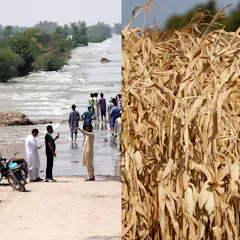
The flooding in Pakistan is the latest in a sequence of exceptional disasters in the Northern Hemisphere. How much is climate change to blame?
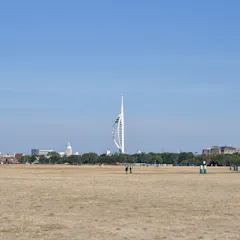
Flash flooding often follows periods of drought.
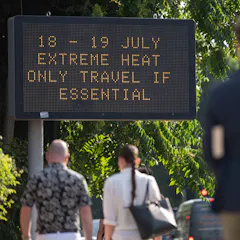
Rising temperatures are having an impact on every aspect of people’s lives. Business is not immune to the volatile weather.

Adapt to climate change with insulated walls, window shutters and reverse-cycle heat pumps.

This year’s Tour was marked by near-40°C temperatures, roads cooled with water, and heatstroke.
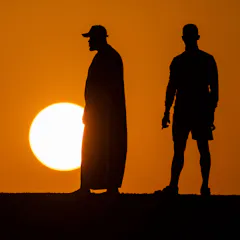
In the UK, ethnic minorities are four times more likely to live in the most vulnerable neighbourhoods.
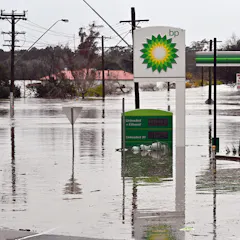
Property buybacks and managed retreat from high-risk areas were once seen as far-off options as the planet warms. Now this ‘last resort’ adaptation to climate change is an urgent priority worldwide.
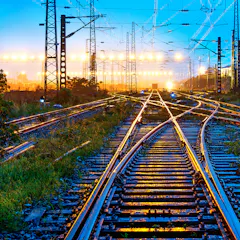
The UK rail industry struggles to create tracks that can cope with both high and low temperatures.
Top contributors
-

ARC Future Fellow and Associate Professor in Climate Science, ARC Centre of Excellence for 21st Century Weather, The University of Melbourne
-
Deputy Director, Engagement and Impact, The ARC Centre of Excellence for the Weather of the 21st Century, Australian National University
-
ARC DECRA Fellow, UNSW
-
Honorary Associate Professor in Environmental Health, Australian National University
-
Postdoctoral Researcher, Climate Science, University of Oxford
-
Professor emeritus, The University of Melbourne
-
Adjunct Professor of Environmental Geography, CQUniversity Australia
-
Adjunct Professor (Practice) in the School of Earth, Atmosphere and Environment, Monash University
-
Senior Lecturer in Climate Change, University of Waikato
-
Head of the Centre for Water, Environment, Sustainability and Public Health, University of Strathclyde
-
Regius Professor of Meteorology and Climate Science, University of Reading
-
Climate Scientist, Australian Bureau of Meteorology
-
Professor of Pyrogeography and Fire Science, University of Tasmania
-
Professor, Water and Landscape Dynamics, Fenner School of Environment & Society, Australian National University
-
Climatologist, Australian Bureau of Meteorology