
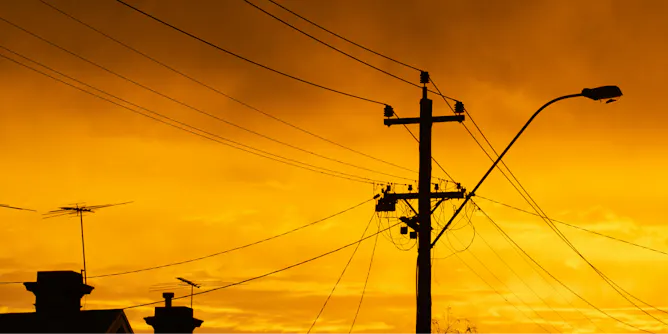
Australia’s energy system favours households with wealth, secure housing and flexibility – leaving millions exposed as heatwaves intensify.
Articles on Heatwave
Displaying 61 - 80 of 407 articles
Analysis of mortality data spanning 450 regions in Europe is categorical: longevity across the continent is a two-tier affair.
It wasn’t so long ago pundits claimed Australia’s grid couldn’t run on higher than 20% renewables. Now it’s 50%.
Cities swelter in heatwaves - they heat up faster and stay hotter. But Australia has few strategies to cool them. Here’s how we could shift from laggard to leader.
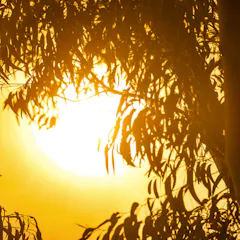
In 2009, the combination of a cyclone, atmospheric waves and warm moist air triggered a record-breaking heatwave. It’s happening again.
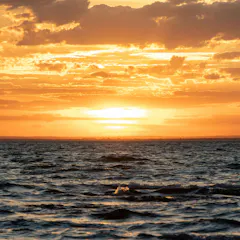
Australia’s northwest is well known for its heat. But this furnace-like area can deliver heatwaves to the southeast, thousands of kilometres away.
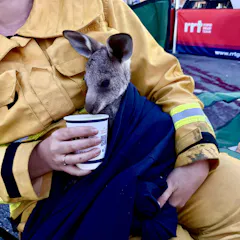
The Victorian fires burned though diverse environments across the state. Native animals suffered through heat and smoke, including thousands of dead flying foxes.
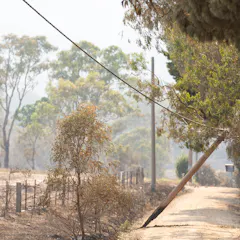
We need reliable communications during climate emergencies like bushfires and floods. But changes have left regional communities exposed.
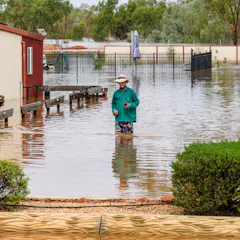
Behind flood and bushfire disasters is a less visible influence: changes in the planet’s water cycle. Rainfall and temperature shifts are amplifying climate change.
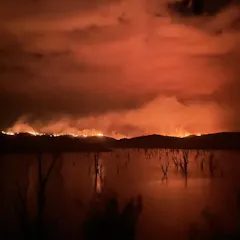
We’re not going to be able to stop climate instability and associated dangerous wildfire weather, so we need to adapt.
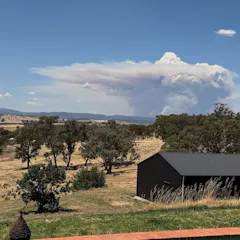
Intense fires can produce storms that make more fire – and they’re becoming more common.

When people get hot, we can strip off clothing and we sweat to cool down. But animals such as cats and dogs aren’t so lucky.
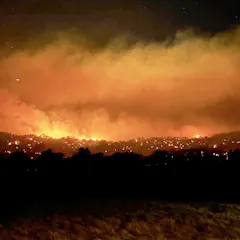
For residents in southeastern Australia this week, understanding fire safety warnings are essential to stay safe.
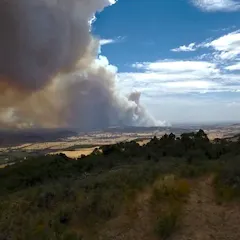
Tracking the Victorian bushfires in Longwood and Mount Lawson.
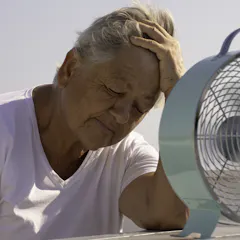
Air conditioners are the best defence. But there are other cheap and simple ways to stay cool and reduce your risk of illness.

We tend to adapt quickly to rain. But a growing body of research shows we also need to be more careful when it comes to travel and commuting during extreme heat.

We know that heatwaves often trigger bushfires. But predicting when and where large fires will break out is getting more difficult with a warming climate.

Insects have a range of fascinating ways to keep cool. We can help them too.

We name severe cyclones and storms, but not heatwaves or floods. Why? Are there benefits to giving Australia’s climate-fuelled extreme weather a name?

Exercise can feel more difficult in the heat, but when does it become unsafe? Two experts explain how you can check your risk, at your location.
Top contributors
-

ARC Future Fellow and Associate Professor in Climate Science, ARC Centre of Excellence for 21st Century Weather, The University of Melbourne
-
Deputy Director, Engagement and Impact, The ARC Centre of Excellence for the Weather of the 21st Century, Australian National University
-
ARC DECRA Fellow, UNSW
-
Honorary Associate Professor in Environmental Health, Australian National University
-
Postdoctoral Researcher, Climate Science, University of Oxford
-
Professor emeritus, The University of Melbourne
-
Adjunct Professor of Environmental Geography, CQUniversity Australia
-
Adjunct Professor (Practice) in the School of Earth, Atmosphere and Environment, Monash University
-
Senior Lecturer in Climate Change, University of Waikato
-
Head of the Centre for Water, Environment, Sustainability and Public Health, University of Strathclyde
-
Regius Professor of Meteorology and Climate Science, University of Reading
-
Climate Scientist, Australian Bureau of Meteorology
-
Professor of Pyrogeography and Fire Science, University of Tasmania
-
Professor, Water and Landscape Dynamics, Fenner School of Environment & Society, Australian National University
-
Climatologist, Australian Bureau of Meteorology