

The super El Niño could cause 31,400 extra heat deaths in Nigeria alone. Heat warnings, cooling centres and worker protections could help save lives.
Articles on Extreme heat
Displaying 1 - 20 of 172 articles
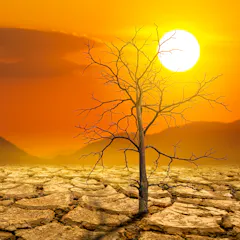
The world is likely to pass 1.5°C of warming. Africa faces worse heat, drought and floods, but faster cuts to emissions can still limit the overshoot damage.
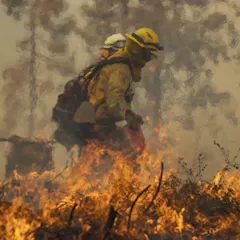
Wildland firefighters face heat from the environment, the fire and their own bodies as they work long, exhausting hours. The head of Purdue’s fire lab explains the health risks and what can help.
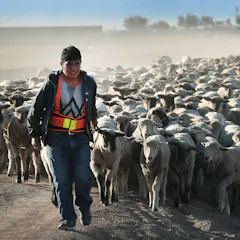
Whether in Kenya or California, herders face dangerous temperatures and difficult conditions that put a strain on their health.
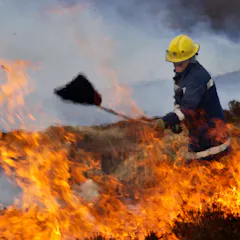
The British landscape has been stripped of many of its bogs and wetlands in the last three centuries.

More northern Europeans are thinking about adding air conditioning. But there’s a lot to consider before making a decision.
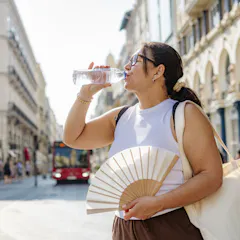
Australians love a holiday, but are increasingly making travel plans around unpredictable weather.
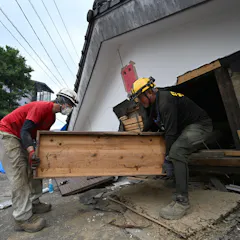
Very high temperatures during and after a disaster needs to be factored into emergency planning.

Although children sweat less than adults, they are able to regulate body heat in other ways.
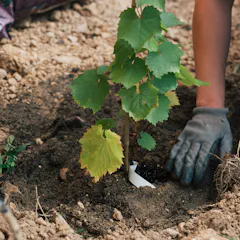
At local level, many grassroots initiatives are cropping up to tackle unforeseen climate-related events, but improvising and instinctive ways of working are often overlooked in public policy.

There is often a disconnect between coverage of acute emergencies and the long-term link with the climate crisis.

A rising number of school districts across the country are beginning their new academic years in July or August, raising the likelihood that kids and educators will encounter scorching days.
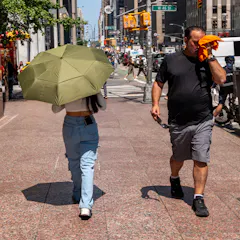
A National Academy of Sciences report examined the latest advances in extreme event attribution science. As four of the authors explain, the type of disaster makes a difference.

In extreme heat, the tour can provide extra shade, hydration during racing and even alter or cancel a stage. But is this enough?

As climate-related hazards become more frequent and severe, protecting our health will require moving beyond warnings toward prevention.

Bumblebees are being affected by heat and other factors this summer.
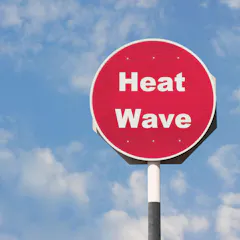
The hottest days show how poorly prepared our homes and energy systems are for the current climate – and the climate to come.

More than 90% of the heat trapped by greenhouses goes into the ocean. But what happens in the oceans doesn’t stay there.
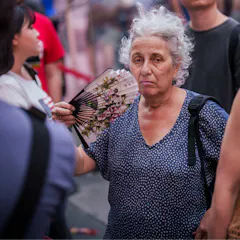
A public health researcher explains the signs to watch for that someone is developing heat exhaustion or heat stroke, and what to do.

Rice is life for billions of people. But this grain crop depends heavily on irrigation – and the looming El Niño is likely to bring dry conditions.
Top contributors
-

ARC Future Fellow and Associate Professor in Climate Science, ARC Centre of Excellence for 21st Century Weather, The University of Melbourne
-
Associate Professor and Principal Fellow in Urban Risk and Resilience, The University of Melbourne
-
Research Fellow, The ARC Centre of Excellence for the Weather of the 21st Century, Australian National University
-
Postdoctoral Researcher, Climate Science, University of Oxford
-
Director - Research Institute for Sport and Exercise, University of Canberra
-
Professor of Economics, University of Arizona
-
NHMRC Research Fellow, School of Population Health and Co-founder UNSW Beach Safety Research Group, UNSW
-
Professor of Heat & Health; Director of Heat & Health Research Incubator; Director of Thermal Ergonomics Laboratory, University of Sydney
-
Honorary Associate Professor in Environmental Health, Australian National University
-
Professor of Atmospheric Science, Colorado State University
-
Professor of Geology and Environmental Geosciences, University of Dayton
-
Professor of Global Health and Environmental and Occupational Health Sciences, University of Washington
-
Associate, Institute for Climate Change & Adaptation, University of Nairobi
-
Professor, University of the Witwatersrand
-
Professor of Ecology and Associate Director, Hawkesbury Institute for the Environment, Western Sydney University