
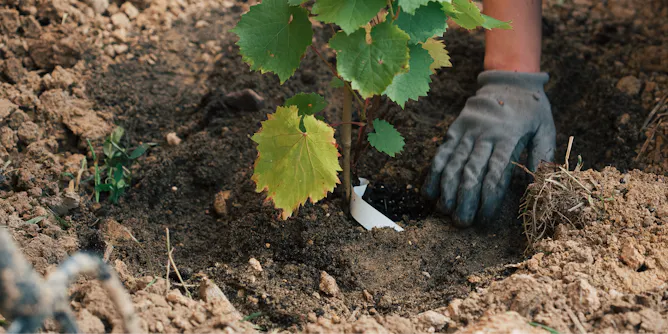
At local level, many grassroots initiatives are cropping up to tackle unforeseen climate-related events, but improvising and instinctive ways of working are often overlooked in public policy.
Articles on Heatwave
Displaying 21 - 40 of 407 articles

Heatwaves are becoming more frequent, longer and more intense. As they do, it’s likely more people will experience pain.

Disposable BBQs are a major, yet preventable, fire risk. Other picnics are a better bet.
Instead of asking whether climate change caused a heatwave, we should ask how much hotter it became because of fossil fuel emissions.
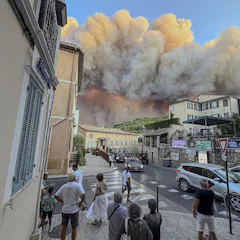
The fires facing Spanish and French firefighters are harder to put out – and much more intense.
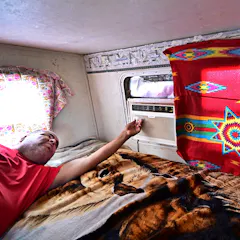
There is no single thermostat setting that is right for every person or every home. And there are other easy, low-cost steps that can help keep everyone comfortable when hot weather sets in.

An estimated 8 million handheld fans will be purchased in the UK in 2026. Many will end up as discarded electrical waste.
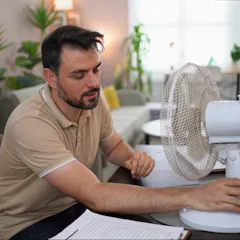
Reducing the risks of increased heat in the UK without compromising climate targets requires policy interventions, investment and a strong political will.

Elite teams plan for heat, recovery and warning signs. Workplaces expecting effort during heatwaves need the same kind of thinking.

The challenge is not a lack of evidence. It is a lack of urgency.

Heatwaves don’t just threaten your skin, they can damage insulin, inhalers and other medicines too, sometimes without any visible warning signs.
The hottest days show how poorly prepared our homes and energy systems are for the current climate – and the climate to come.
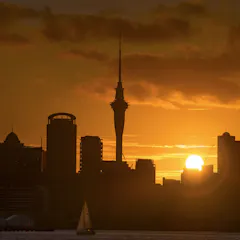
New modelling suggests hotter summers could place new demands on NZ’s electricity system, increase heat-related deaths and hit vulnerable people hardest.

After a dismal start to the ski season, abnormally warm conditions in Australia are likely to continue for the coming weeks.

Europe is the fastest warming continent – almost all of its heat records have been broken in the 21st century.

Scarred lungs make it harder for the body to cope with extreme heat, dehydration and air pollution.

It’s important for parents to keep an eye out for signs of heat stress.

A 35°C heatwave really does “feel worse” in the UK than in many other countries.
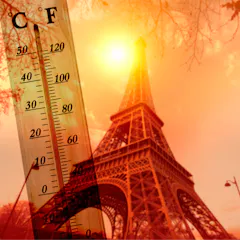
As people across Europe are having to acclimatise to an unprecedented heatwave, coordinated responses for tackling extreme heat need to come from the top, and there’s no time to lose.
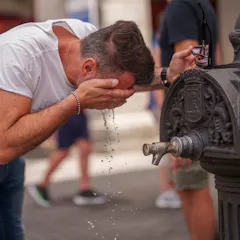
A climate expert unpacks the potential causes and risks of extreme heat.
Top contributors
-

ARC Future Fellow and Associate Professor in Climate Science, ARC Centre of Excellence for 21st Century Weather, The University of Melbourne
-
Deputy Director, Engagement and Impact, The ARC Centre of Excellence for the Weather of the 21st Century, Australian National University
-
ARC DECRA Fellow, UNSW
-
Honorary Associate Professor in Environmental Health, Australian National University
-
Postdoctoral Researcher, Climate Science, University of Oxford
-
Professor emeritus, The University of Melbourne
-
Adjunct Professor of Environmental Geography, CQUniversity Australia
-
Adjunct Professor (Practice) in the School of Earth, Atmosphere and Environment, Monash University
-
Senior Lecturer in Climate Change, University of Waikato
-
Head of the Centre for Water, Environment, Sustainability and Public Health, University of Strathclyde
-
Regius Professor of Meteorology and Climate Science, University of Reading
-
Climate Scientist, Australian Bureau of Meteorology
-
Professor of Pyrogeography and Fire Science, University of Tasmania
-
Professor, Water and Landscape Dynamics, Fenner School of Environment & Society, Australian National University
-
Climatologist, Australian Bureau of Meteorology