
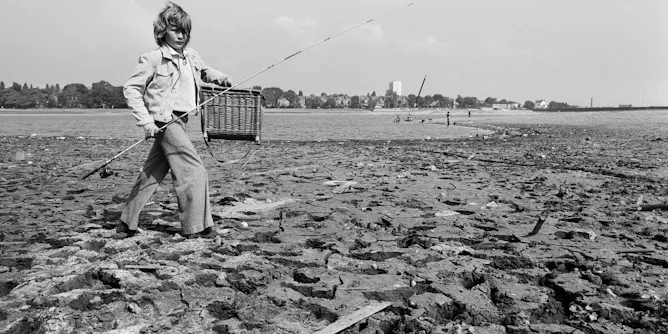
For 15 consecutive days, temperatures were over 32°C. Today, heatwaves are 3°C or 4°C hotter.
Articles on Heatwave
Displaying 41 - 60 of 407 articles

Public trust in UK water companies is low, and this could be a challenge when the country faces another serious drought.

Sleep depends partly on body temperature. When nights stay hot, these low-cost cooling strategies may help.
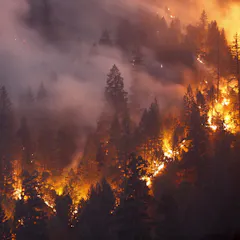
Heat waves do more than dry out vegetation that can easily burn. They also play a role in lightning strikes, particularly dry lightning.

As the UK gets hotter, children will seek water to cool down. The real question is why so many have so few places to go.
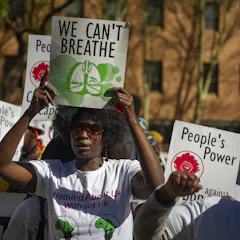
A landmark climate case before the African Court asks what African states must do to protect human rights, phase out fossil fuels, and tackle climate change.

Sun safety is not just for beach holidays. Checking the UV index and building small habits into your day can help protect your skin.
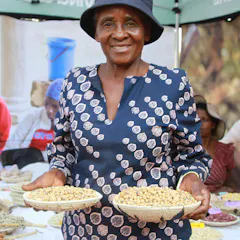
As climate crises deepen, Africa must turn its hard-won experience and local knowledge into global leadership on climate, health, food systems and clean energy.

Across the 19th and 20th centuries, urban residents developed a range of strategies to manage extreme heat in densely built environments.

An international study examined how heat and humidity may affect pregnancy. A reproductive health expert unpacks its key findings.
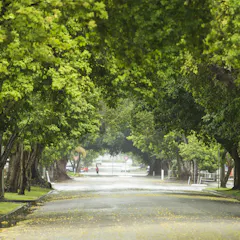
Cities around the world rely on trees to keep temperatures lower. New research shows trees are remarkably effective – but can’t do it all
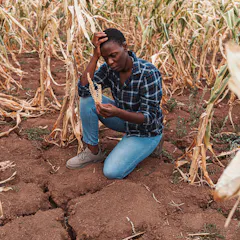
Extreme heat is a huge threat to health, work and food security across southern Africa.

Extreme heat already kills millions. New research shows how today’s emissions choices will determine how many more may face dangerous heatwaves this century.

A new study highlights one of the largest temperature anomalies recorded anywhere, ever.
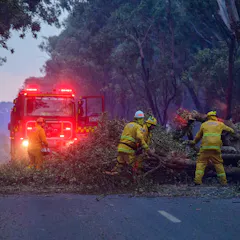
Extreme weather events are increasingly coming in waves, giving communities just days or hours to recover before the next disaster hits.
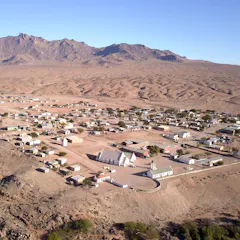
By 2100, rural African dwellers will be exposed to dangerous levels of heat nearly twice as high as those in urban areas.

Rising heat is making everyday exercise harder, with modelling studies suggesting long-term impacts on activity levels and population health.
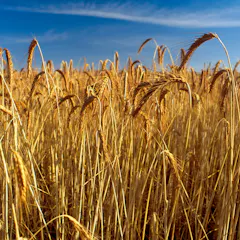
Sustained extreme heat can damage, weaken and kill all living things, from wheat crops to koalas and fruit bats.
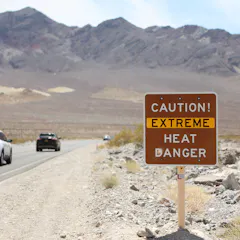
Climate change is making people sicker and more vulnerable to disease, doctors and scientists explain. Erasing the federal endangerment finding increases the risk.
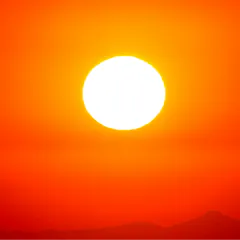
By the end of this century, parts of Africa could face heatwaves for 250-300 days a year, which will make it difficult for people to survive.
Top contributors
-

ARC Future Fellow and Associate Professor in Climate Science, ARC Centre of Excellence for 21st Century Weather, The University of Melbourne
-
Deputy Director, Engagement and Impact, The ARC Centre of Excellence for the Weather of the 21st Century, Australian National University
-
ARC DECRA Fellow, UNSW
-
Honorary Associate Professor in Environmental Health, Australian National University
-
Postdoctoral Researcher, Climate Science, University of Oxford
-
Professor emeritus, The University of Melbourne
-
Adjunct Professor of Environmental Geography, CQUniversity Australia
-
Adjunct Professor (Practice) in the School of Earth, Atmosphere and Environment, Monash University
-
Senior Lecturer in Climate Change, University of Waikato
-
Head of the Centre for Water, Environment, Sustainability and Public Health, University of Strathclyde
-
Regius Professor of Meteorology and Climate Science, University of Reading
-
Climate Scientist, Australian Bureau of Meteorology
-
Professor of Pyrogeography and Fire Science, University of Tasmania
-
Professor, Water and Landscape Dynamics, Fenner School of Environment & Society, Australian National University
-
Climatologist, Australian Bureau of Meteorology