
Scientists have now dated the ‘Great Oxidation Event’ to just before the planet’s first ‘snowball’ period.
Articles on Geology
Displaying 241 - 260 of 453 articles

New research on the Late Devonian extinction suggests the ozone layer could be naturally depleted as the temperature rises.
New research confirms that massive plumes of buoyant hot rock once rose from near the Earth’s core to the surface and triggered vast volcanic eruptions - and that New Zealand sits on top of one.
New research has found that the continents ended up where they are today because of previous plate tectonic processes that controlled how Pangaea broke apart.
Tomanowos, aka the Willamette Meteorite, may be the world’s most interesting rock. Its story includes catastrophic ice age floods, theft of Native American cultural heritage and plenty of human folly.
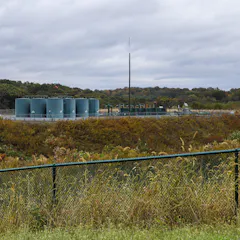
Fracking in Pennsylvania has led to disadvantages in state school districts.
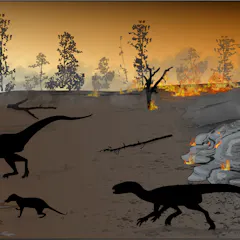
These trackways offer rare insights about ancient life in a stressful, hostile environment during the Early Jurassic.
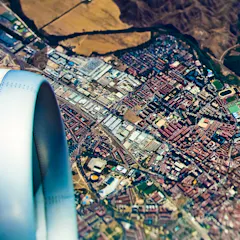
The term Anthropocene - previously known only to geologists and academics - has hit the mainstream. Now it’s being tweeted as shorthand for the negative effects humans have had on the planet.
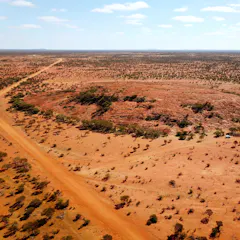
The Yarrabubba asteroid landed 2.2 billion years ago. Around the same time, the icy Earth went through a big thaw.
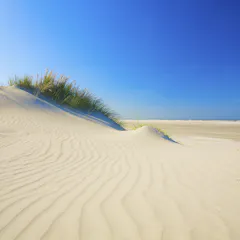
Sand may seem abundant when your toes are buried in it, but it’s becoming scarce along many coastlines around the world.
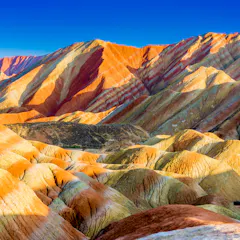
Non-living nature such as rocks, landforms, soil and water form the Earth’s ‘geodiversity’ - a crucial part of the planet’s life support system.
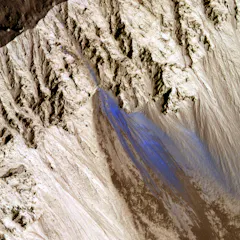
New research on landslides on Mars could help protect against devastating landslides on Earth.
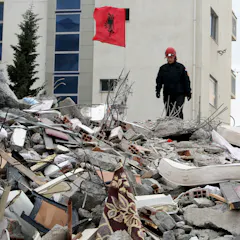
Post-earthquake aftershocks are often assumed to be less violent, but that’s not always the case.
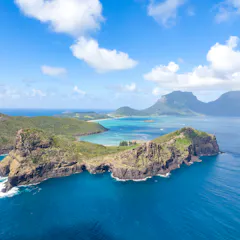
We undertook a 28-day voyage to explore a possible lost continent in a remote part of the Coral Sea, in an area off the coast of Queensland. Here’s what we found.
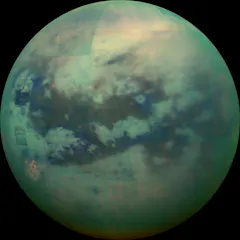
Saturn’s largest moon has been fully mapped for the first time.
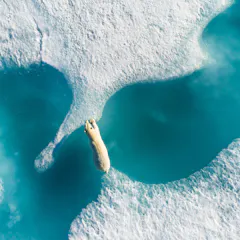
Antarctica is no longer the sleeping giant of sea level rise. New research delved into the past and found when the Earth warms, its ice sheets can melt extremely quickly.

Why did Earth’s climate rapidly cool 12,800 years ago? Evidence is mounting that a comet or asteroid collision is to blame, with new support coming from the bottom of a South Carolina lake.

Hundreds of archaeologists provided on-the-ground data from across the globe, providing a new view of the long and varied history of people transforming Earth’s environment.
Geology will be key to any green transition, but its academic reputation needs an urgent makeover.
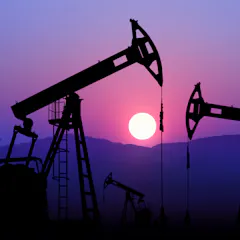
Fossil fuels are heating the atmosphere – but the fact that we’re burning them may not be the only reason.
Top contributors
-

Professor of Geochronology, Curtin University
-
Professor of Geology, Adelaide University
-
Professor of Palaeobiology, University of Leicester
-
ARC Future Fellow and Associate Professor in Igneous Petrology/Volcanology, The University of Queensland
-
Professor in Earth Sciences, Nanyang Technological University, Singapore, and Emeritus Professor of Mineral Physics, University of Cambridge
-
Professor of Earthquake Science, The University of Melbourne
-
Professor of Geophysics, University of Sydney
-
Associate Professor, Earth and Planetary Sciences, Curtin University
-
Professor of Planetary Geosciences, The Open University
-
Senior Curator of Geosciences, Museums Victoria Research Institute; Monash University
-
Professor in Earth & Climate Science, University of Southampton
-
Harold T. Stearns Professor of Earth Science, Wesleyan University
-
Adjunct professor, UNSW
-
Redmond Barry Distinguished Professor Emeritus, The University of Melbourne
-
Professor of Earth and Space Sciences, University of Washington