

Strategies to cure various types of blindness are looking more plausible after a series of recent breakthroughs using gene editing and gene therapy.
Articles on Gene editing
Displaying 41 - 60 of 116 articles

What criteria should be used to determine whether a food is natural? What if gene-editing techniques produce changes indistinguishable from those that evolve naturally? Is the food still natural?
One of the methods researchers are exploring to combat COVID-19 is gene editing: altering the genome of the virus to make it harmless.
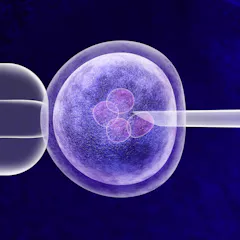
The debate about gene editing will help shape the future of the human race. But how should the discussion get started?
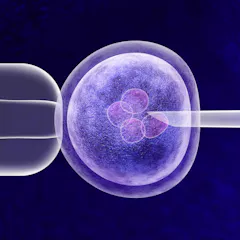
One year after the first CRISPR babies were announced, changes in policies and regulations have meant that there have been no new CRISPR announcements since.

A number of things may have gone wrong when researchers edited Chinese twins Lulu and Nana’s genome. Either way, the failed experiment is a cautionary tale for us all.
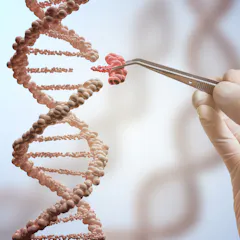
Ideas from economics might help us decide the most ethical way of using gene editing technology for human enhancement in the future.
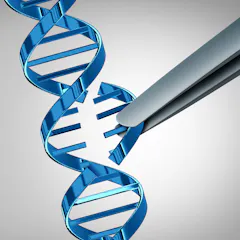
In a new study, a team of US scientists have used gene editing to change the genetic code of white blood cells and transform them into more efficient tumor fighting cells. How did they do it?
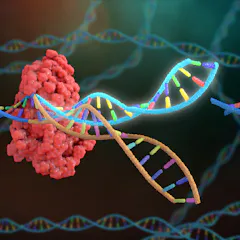
CRISPR technology is continually improving to make it more specific, but serious consideration should be given to when and how CRISPR is safe for gene editing.

A growing international divide over cutting-edge medical research could worsen predatory practices, medical tourism and health inequality.
CRISPR technology could have momentous effects if it’s used to edit genes that will be inherited by future generations. Researchers and ethicists continue to weigh appropriate guidelines.

A ban on clinical trials involving gene editing rules out the controversial procedure done in China. But it also prevents procedures that could offer couples a chance for healthy children without genetic disorders.

Scientists and ethicists have called for a five-year moratorium on editing human genes that will pass on to future generations. Yes, society needs to figure out how to proceed – but is this the best way?

CRISPR gene editing should learn from the Slow Food movement. Scientists must allow time for critical conversations and perfecting of techniques before rewriting the source code of humanity.
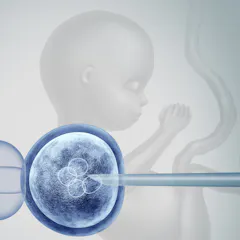
Scientists worldwide are calling for a moratorium on gene editing in germline cells. But what is a germline cell? How does it differ from other cells in our body? Why does it matter if we edit them?
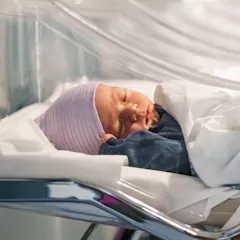
Four months ago a researcher claimed he had used the tool CRISPR to edit the genomes of twin girls. Now prominent researchers and ethicists are calling for a temporary halt to this sort of work.
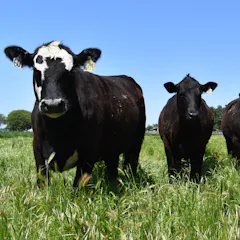
According to current regulations, animals that have been genetically edited, like pigs or cows, are considered drugs. What are the consequences of such rules on American livestock and agriculture?
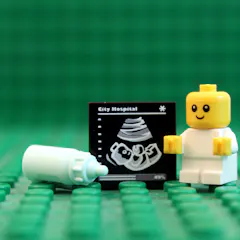
Imagine a future society where parents can choose the characteristics of their children. Does that turn babies into consumer products., and what choice does the child get?
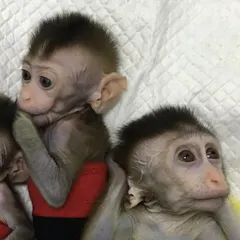
Researchers in China have produce a world first: gene edited, cloned macaque monkeys. They say such animals will be vital for research on human health – but ethical concerns remain.
A pragmatic approach rather than active concealment is to blame for China’s lack of research transparency.
Top contributors
-

Chair, The Conversation Media Group
-
Assistant Professor in Biomedical Ethics, National University of Singapore
-
Head of School (Computer Science) and Co-Director (Centre for Data Science), Queensland University of Technology
-
Geneticist and Group Leader, The John Curtin School of Medical Research, Australian National University
-
Distinguished Research Professor, Emerita, Dalhousie University
-
Professor of Chemistry, Connecticut College
-
Shah Rising Star Assistant Professor of Chemical Engineering, Herbert Wertheim College of Engineering, UF Health Cancer Center, University of Florida
-
Vanier Scholar and Ph.D. Candidate in Microbiology and Immunology, Dalhousie University
-
Senior Lecturer International Law, Bioethics, Emerging Tech, University of KwaZulu-Natal
-
Doctoral Student in Biochemistry, University of Washington
-
Distinguished Research Professor, Dalhousie University
-
Chen Su Lan Centennial Professor in Medical Ethics, National University of Singapore; Distinguished Visiting Professor in Law, University of Melbourne; Uehiro Chair in Practical Ethics, The University of Melbourne
-
Professor of Advanced Technology Transitions, Arizona State University
-
Professor, Australian National University
-
Professor of Ethics and Sports Integrity, KU Leuven