

Smarter plant breeding practices are crucial in a world where climate change, deforestation and species reduction are an increasing problem.
Articles on Gene editing
Displaying 101 - 117 of 117 articles

We’re living longer and more ill lives – could we use animals to grow human organs for transplants?
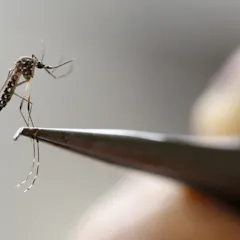
Look beyond transgenic techniques that add new genes to a species. People have used selective breeding techniques to change plants and animals for millennia – why not try them on mosquitoes?

U.C. Berkeley and the Broad Institute are fighting to control the patents on the revolutionary gene-editing technology. But there’s a lot more at stake than just who gets the credit and licensing fees.
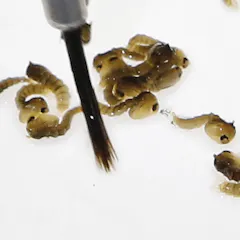
Insecticides and mosquito nets only get you so far. Synthetic biologists are ready to take the battle against mosquito-borne disease to the level of DNA – which might spell the insects’ ultimate doom.

The biology and ethics of gene editing, explained by scientists.
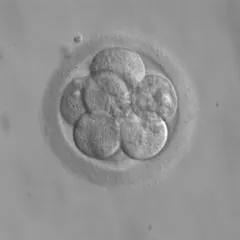
We’re not quite there yet but there is already a potential blueprint for editing the human germline.
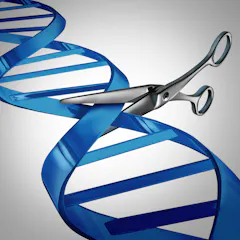
The International Summit on Human Gene Editing drew a distinction between editing an individual’s body cells and editing germline cells that would pass changes to future generations. Does that make sense?

Public attention is focused on whether we should use gene editing technology on embryos, but it could potentially have a bigger and more immediate impact on human health via animal organ donation.

As we consider the ethics of human gene editing, we need to understand what can and can’t be meaningfully edited.

Experts from around the world are in the US to discuss the scientific, ethical and governance issues linked to human gene editing. Here are five reasons they shouldn’t ban research in the field.
The debate about regulating gene editing technology is often couched in polar terms, but understanding degrees of regulation that might be a better approach.

The ethics of genetically modified mosquitoes and the gene-drive technology that seeks to spread them.
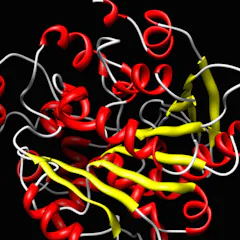
Should the gathering of experts from around the world that’s considering the scientific, ethical, and governance issues linked to research into gene editing ring alarm bells?

While gene editing offers the exciting potential for disease therapies, using it on human embryos opens up a can of worms.
Despite predictions, the CRISPR/Cas9 gene editing technique didn’t win the Nobel Prize. But with the technology nevertheless taking off, it is time we start having an informed public debate about it.
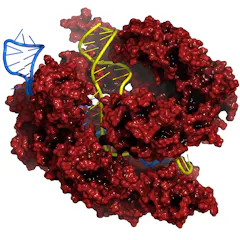
Until more is understood, it’s sensible to limit experimentation that would make changes to germ line cells that would be passed on to future generations.
Top contributors
-

Chair, The Conversation Media Group
-
Assistant Professor in Biomedical Ethics, National University of Singapore
-
Head of School (Computer Science) and Co-Director (Centre for Data Science), Queensland University of Technology
-
Geneticist and Group Leader, The John Curtin School of Medical Research, Australian National University
-
Distinguished Research Professor, Emerita, Dalhousie University
-
Professor of Chemistry, Connecticut College
-
Shah Rising Star Assistant Professor of Chemical Engineering, Herbert Wertheim College of Engineering, UF Health Cancer Center, University of Florida
-
Vanier Scholar and Ph.D. Candidate in Microbiology and Immunology, Dalhousie University
-
Senior Lecturer International Law, Bioethics, Emerging Tech, University of KwaZulu-Natal
-
Doctoral Student in Biochemistry, University of Washington
-
Distinguished Research Professor, Dalhousie University
-
Chen Su Lan Centennial Professor in Medical Ethics, National University of Singapore; Distinguished Visiting Professor in Law, University of Melbourne; Uehiro Chair in Practical Ethics, The University of Melbourne
-
Professor of Advanced Technology Transitions, Arizona State University
-
Professor, Australian National University
-
Senior Lecturer in Environmental Policy, Lincoln University, New Zealand