
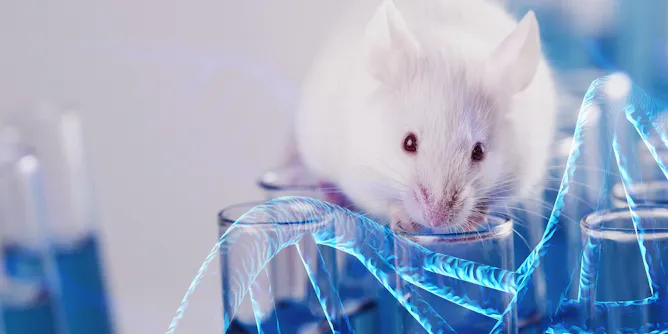
When geneticists create mice with special traits, there is no way to be sure that they will be inherited by the offspring. But a new genetic tool called a gene drive may fix the problem.
Articles on Gene editing
Displaying 61 - 80 of 116 articles

Forests in the US face many threats: climate change, invasive species, pests and pathogens. Could genetically engineering trees make these plants more resilient?
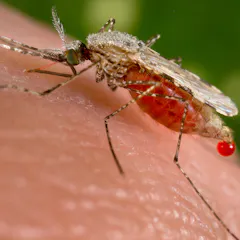
Researchers are exploring genetic forms of population control called gene drives that spread traits faster that happens naturally. The goal is to curb mosquito-borne diseases like malaria.

CRISPR babies may be just the beginning. China has a different take than the West on ethics and how to get ahead in business and other endeavors.
Genome editing technology has, and will always have, limits. Limits that are related not to the technology itself but to the intrinsic complexity of the human genome.
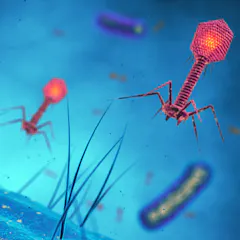
Gene editing through CRISPR may have greater consequences than climate change or unleashing the energy of the atom.

In an era of big scientific collaborations, China’s renegade actions have hurt its reputation. As international researchers back away, it may be the country’s military that ultimately suffers.

Questions abound about whether the scientist who created the first gene edited human beings took shortcuts in the ethical oversight process. But pedantically focusing on protocol misses the point.
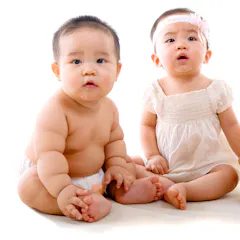
Chinese researcher, Jainkui He claims to have created the world’s first genome-edited twins. Such action would pose unknown risks to the lives of these children and to humanity as a whole.
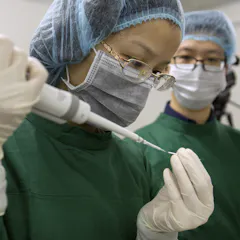
The announcement of the birth of babies with edited genes has been met by a deluge of scientific and ethical criticism. Public discussion focuses on risks and benefits – was breaking this taboo worth it?
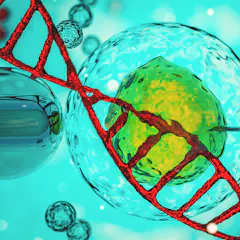
A Chinese scientist has revealed he edited the DNA of twin girls born through in vitro fertilization. These girls are designed to be resistant to HIV. Is the edit a medical necessity or an enhancement?
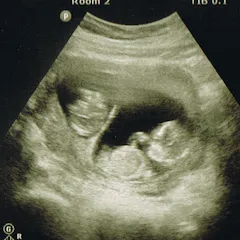
We don’t know anything about the health of the baby girls who are reported to have been born. But it’s clear scientists around the world are shocked.
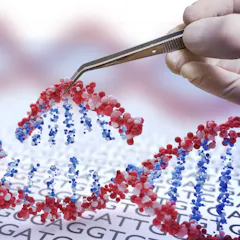
A Chinese scientist claims to have edited human DNA to make us more resistant to HIV. Here’s why that’s not good news.
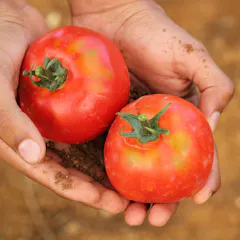
Gene editing of wild plants can help us tap into new sources of food. But we need to make sure it’s safe – and that demands some careful regulation.
Once genetic lesions for diseases such as cystic fibrosis and haemophilia were identified, the idea of replacing or correcting defective genes grew into what we now call “gene therapy”.
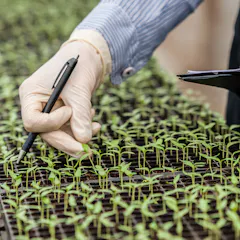
Synthetic biology is highly promising – but if we don’t get the regulation and engagement right, we risk alienating members of the public, and may even close doors for potentially fruitful research.
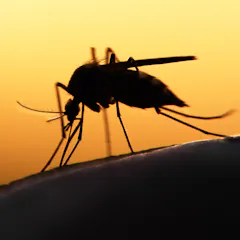
For several billion people mosquitoes are more than a nuisance – they transmit deadly diseases. Now genetic modification may prove the most effective defense against the mosquito, preventing disease.

Basic research can be easy to mock as pointless and wasteful of resources. But it’s very often the foundation for future innovation – even in ways the original scientists couldn’t have imagined.

CRISPR has been hailed as the an editing tool that can delete inherited mutations and cure disease. But recent papers suggest that the technique may be too dangerous for use in human therapies.
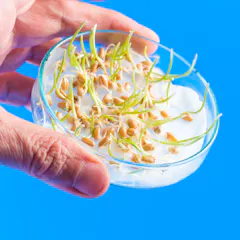
Genetic modification rules now cover gene edited crops but exclude plants bred traditionally with the same properties.
Top contributors
-

Chair, The Conversation Media Group
-
Assistant Professor in Biomedical Ethics, National University of Singapore
-
Head of School (Computer Science) and Co-Director (Centre for Data Science), Queensland University of Technology
-
Geneticist and Group Leader, The John Curtin School of Medical Research, Australian National University
-
Distinguished Research Professor, Emerita, Dalhousie University
-
Professor of Chemistry, Connecticut College
-
Shah Rising Star Assistant Professor of Chemical Engineering, Herbert Wertheim College of Engineering, UF Health Cancer Center, University of Florida
-
Vanier Scholar and Ph.D. Candidate in Microbiology and Immunology, Dalhousie University
-
Senior Lecturer International Law, Bioethics, Emerging Tech, University of KwaZulu-Natal
-
Doctoral Student in Biochemistry, University of Washington
-
Distinguished Research Professor, Dalhousie University
-
Chen Su Lan Centennial Professor in Medical Ethics, National University of Singapore; Distinguished Visiting Professor in Law, University of Melbourne; Uehiro Chair in Practical Ethics, The University of Melbourne
-
Professor of Advanced Technology Transitions, Arizona State University
-
Professor, Australian National University
-
Professor of Ethics and Sports Integrity, KU Leuven