

Gene editing promises everything from treatments for serious conditions like sickle cell disease to the resurrection of the dodo.
Articles on Gene editing
Displaying 21 - 40 of 116 articles
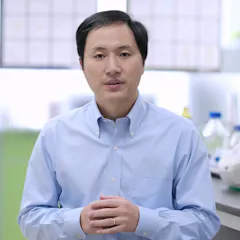
Scientific and public uproar resulted when the Chinese scientist announced the births of the first human babies with heritable edits to their genes. A new documentary reexamines the saga.

The biotech sector uses climate change as an urgent argument for more funding and fewer regulatory hurdles. But the urgency of climate change raises the risk of superficial claims and actions.

As genetic engineering and DNA manipulation tools like CRISPR continue to advance, the distinction between what science ‘could’ and ‘should’ do becomes murkier.
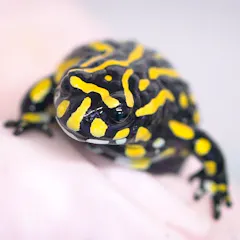
The rapid rate of species declines means we should trial potential solutions before it’s too late.

Rabies, for example, is a naturally occurring ‘zombie’ disease.
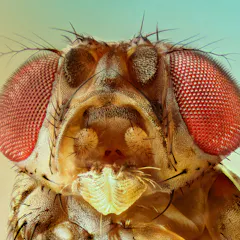
Hox genes make sure all your body parts grow in the right place. Understanding how they work can reveal the process of evolution and lead to potential treatments for congenital birth defects.

Field trials of genetically edited crop plants are to be allowed in England under new government proposals.

Catherine Price, sociologist, and Nicola Patron, synthetic plant biologist, discuss the promises, dangers and concerns around gene edited and GM crops.

Three pioneering technologies have forever altered how researchers do their work and promise to revolutionize medicine, from correcting genetic disorders to treating degenerative brain diseases.

The sketchy history of international efforts to control bioweapons suggests that nations will resist cooperative monitoring of gene hacking for medical research.

The achievement didn’t live up to the hype, but it has illuminated new areas of ‘genetic dark matter’.
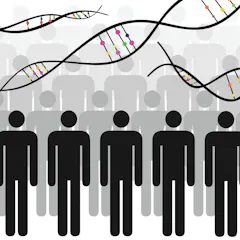
Using ‘base editing’, researchers have cured progeria in mice. This genetic syndrome causes premature ageing in humans – those with the disease usually don’t live past the age of 13.

Plant scientists hope to avoid a repeat of the GM foods debate from two decades ago.
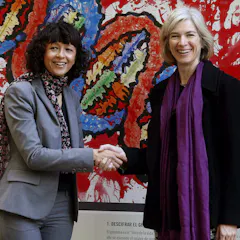
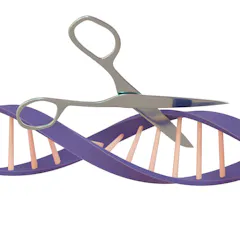
Jennifer Doudna and Emmanuelle Charpentier have been awarded the Nobel prize in Chemistry for their revolutionary work on ‘gene scissors’ that can edit DNA.
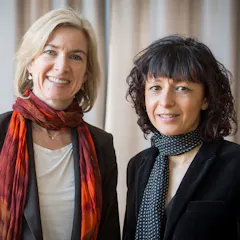
The tools to rewrite the genetic code to improve crops and livestock, or to treat genetic diseases, has revolutionized biology. A CRISPR engineer explains why this technology won the Nobel, and its potential.
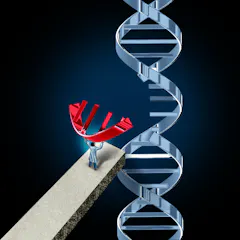
Most scientific discoveries these days aren’t easily ascribed to a single researcher. CRISPR is no different – and ongoing patent fights underscore how messy research can be.

Our approach to controversial technologies shouldn’t be guided by scientists alone, nor by peddlers of misinformation on social media. A citizens’ assembly could walk the line between the two.
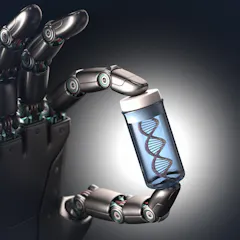
The immune system is trained to destroy viruses, even when they carry therapeutic cargo as is the case in gene therapy. Now researchers have figured out how to dial down the immune response.
A person dies of opioid overdose once every 13 minutes in the US. A researcher proposes a way using existing technology to remove the opioid target in people to prevent overdoses.
Top contributors
-

Chair, The Conversation Media Group
-
Assistant Professor in Biomedical Ethics, National University of Singapore
-
Head of School (Computer Science) and Co-Director (Centre for Data Science), Queensland University of Technology
-
Geneticist and Group Leader, The John Curtin School of Medical Research, Australian National University
-
Distinguished Research Professor, Emerita, Dalhousie University
-
Professor of Chemistry, Connecticut College
-
Shah Rising Star Assistant Professor of Chemical Engineering, Herbert Wertheim College of Engineering, UF Health Cancer Center, University of Florida
-
Vanier Scholar and Ph.D. Candidate in Microbiology and Immunology, Dalhousie University
-
Senior Lecturer International Law, Bioethics, Emerging Tech, University of KwaZulu-Natal
-
Doctoral Student in Biochemistry, University of Washington
-
Distinguished Research Professor, Dalhousie University
-
Chen Su Lan Centennial Professor in Medical Ethics, National University of Singapore; Distinguished Visiting Professor in Law, University of Melbourne; Uehiro Chair in Practical Ethics, The University of Melbourne
-
Professor of Advanced Technology Transitions, Arizona State University
-
Professor, Australian National University
-
Professor of Ethics and Sports Integrity, KU Leuven