
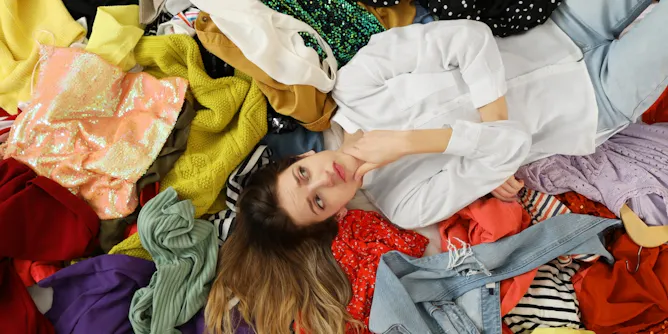
Virtually trying on clothes could persuade more people to experiment with renting clothes.
Articles on Fast fashion
Displaying 1 - 20 of 85 articles

Every year, thousands of tonnes of unsold clothing go to landfill. Australia could learn from the EU model.

Although visible mending was once seen as a quiet, grassroots resistance movement to fast fashion, its popularity is fast growing.

While care labels contain information on what washing machine programmes are suitable for garments, use of these machines should be reduced to preserve textiles.
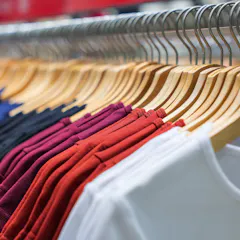
Cost per wear could be displayed alongside the garment price.

The environmental cost of fast fashion purchasing could be reduced with some industry changes.

Fast fashion isn’t just a waste problem, it’s an emotional one. If we understand what we keep and why, we can buy better and more sustainably.
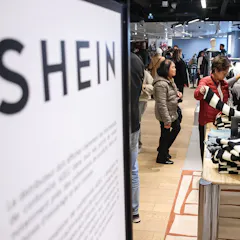
What do insights into consumer behaviour tell us about the future of the fashion industry?

The success of e-commerce platforms Temu and Shein is based on highly effective marketing tools. Artificial intelligence has become a major lever for building customer loyalty.

The EU and national governments have proposed legislation to curb the industry’s environmental impacts.

Some fashionistas choose to click and never collect.

Each era has its signature colours: baby boomers’ pastels, millennials’ pink, gen Z’s yellow and neon green – hues that reflect culture and mood as much as fashion.

The NSW Fashion Sector Strategy is a welcome contribution to the local fashion economy. Yet it is also a reminder of the complex challenges facing the industry.

B Corp certification is given to businesses who score well for social impact and environmental benefit. But ultrafast fashion is inherently unsustainable.
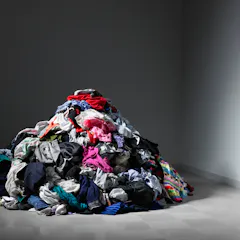
Ultra-fast fashion comes with a host of environmental problems. Australia’s response to the deluge of cheap low quality clothes hasn’t led to change.
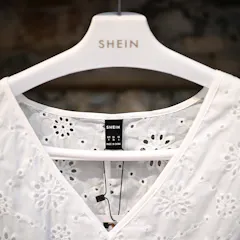
New trade barriers are set to go into effect in July 2027.

Many customers see free returns as a key part of the online shopping experience.
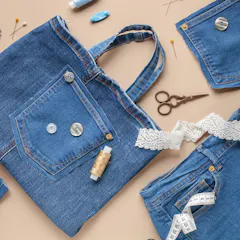
Local efforts to transform discarded garments and textile waste into valuable products are evidence that fashion and degrowth are compatible.
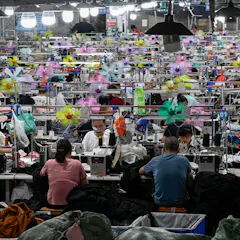
High US tariffs on Chinese-made goods didn’t halt the fast fashion industry. They just rerouted it, and the Australian market has been flooded.

The use of digital clones of real-life models by the fashion industry raises questions about inclusion, consent and privacy.
Top contributors
-

Reader in Fashion, Marketing and Sustainability, Glasgow Caledonian University
-
Visiting Scholar: School of Architecture and School of Engineering, University of Technology Sydney
-
Senior Lecturer, School of Fashion and Textiles, RMIT University
-
Senior Research Associate in Design for Sustainability, Manchester Metropolitan University
-
Professor and Dean of the School of Fashion and Textiles, RMIT, RMIT University
-
Assistant Professor in Fashion, Northumbria University, Newcastle
-
Postdoctoral Researcher in Fashion and Textiles, RMIT University
-
Reader in Fashion Marketing, Manchester Metropolitan University
-
Director, Centre of Excellence in Sustainable Fashion + Textiles, University of Technology Sydney
-
Lecturer in Sustainablity, Fashion and Retail, University of Leeds
-
Professor of Cultural Studies, The University of Melbourne
-
Research Principal, University of Technology Sydney
-
Honorary Research Fellow, School of Design, University of Technology Sydney
-
Associate Professor of Marketing, University of Auckland, Waipapa Taumata Rau
-
Chair in Accountancy and Professor in Sustainability Accounting and Transparency, University of Aberdeen