
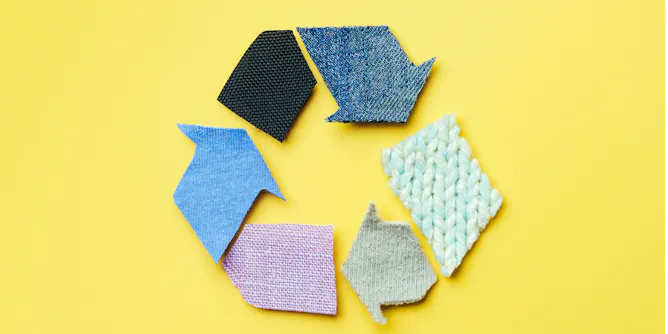
Brands like Zara and H&M are teaming up with recycled textile producers but more collaboration is needed.
Articles on Fast fashion
Displaying 41 - 60 of 85 articles
Product-labelling tools have been criticised for making partial assessments of a brand’s impact.

If you’re going to a wedding this summer, you should consider renting your outfit.
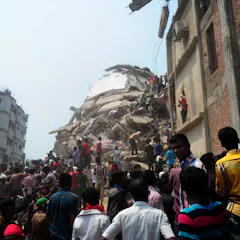
Ten years after a garment factory collapsed in Bangladesh, scholars find slow fashion practices hold the keys to a more sustainable, joyful relationship with clothes.
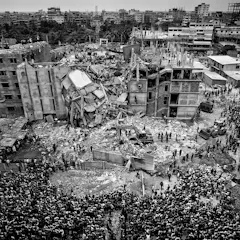
The collapse of Rana Plaza on March 24, 2013, put the focus on fast fashion. But research shows that stressed and struggling consumers don’t have the luxury of making ethical choices.
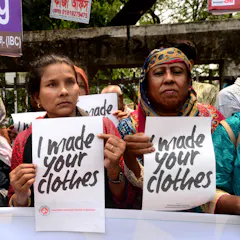
Ten years after the collapse at Rana Plaza in Bangladesh, the garment industry’s deadliest disaster, reforms are incomplete. The opaqueness of today’s complex supply chain is part of the problem.
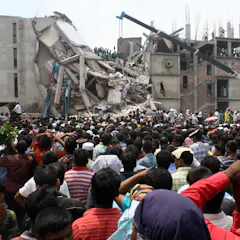
At least 1,132 workers died when the Rana building collapsed in Bangladesh, while several thousand more were injured.
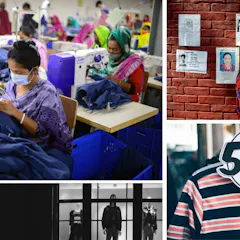
We look back to the 2013 Rana Plaza garment factory collapse in Bangladesh that killed 1,124 people and discuss how much — or how little — has changed for garment-worker conditions today.

Producer responsibility is increasingly being used to deal with the environmental costs of production. It can also be used to deal with social issues.
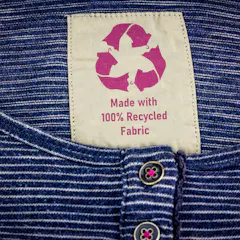
The fashion industry is responsible for around 5% of global greenhouse gas emissions. It’s high time global fashion brands invest in greener alternatives.
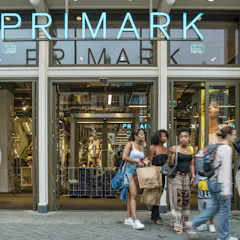
By offering a limited click and collect service, the retailer can gauge the benefits versus the costs and hassle of managing product returns.

Fashion has a notorious environmental footprint, and long-standing fast fashion marketing practices are exaggerating this further.

Sustainable fashion collaborations show that living an eco-friendly life can be fun - here’s how popular shows can help dismantle consumerism altogether.

The beloved reality show is partnering with eBay to promote secondhand outfits instead of fast fashion.
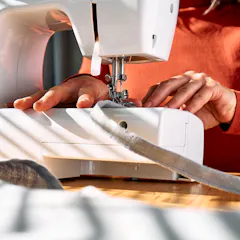
Rather than follow fleeting trends, find your own sense of eco-friendly style.

The environmental footprint of the fashion industry is rising rapidly. Drastic changes are needed to make the sector more sustainable and equitable.
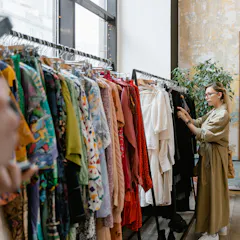
It’s not just about being eco-conscious and frugal: second-hand clothes shoppers are also more stylish.
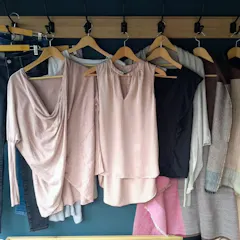
‘Fashion fasts’ are a great way of challenging fast fashion by helping us question how many clothes we really need and reducing fashion consumption.
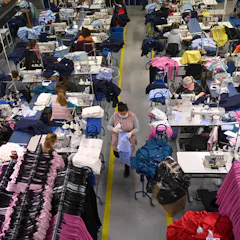
Our new research sets out six ways to cut a more gender-just and sustainable fashion sector.
Our research shows the inadequacy of relying on consumer power to eradicate exploitation in the fashion industry.
Top contributors
-

Reader in Fashion, Marketing and Sustainability, Glasgow Caledonian University
-
Visiting Scholar: School of Architecture and School of Engineering, University of Technology Sydney
-
Senior Lecturer, School of Fashion and Textiles, RMIT University
-
Senior Research Associate in Design for Sustainability, Manchester Metropolitan University
-
Professor and Dean of the School of Fashion and Textiles, RMIT, RMIT University
-
Assistant Professor in Fashion, Northumbria University, Newcastle
-
Postdoctoral Researcher in Fashion and Textiles, RMIT University
-
Reader in Fashion Marketing, Manchester Metropolitan University
-
Director, Centre of Excellence in Sustainable Fashion + Textiles, University of Technology Sydney
-
Lecturer in Sustainablity, Fashion and Retail, University of Leeds
-
Professor of Cultural Studies, The University of Melbourne
-
Research Principal, University of Technology Sydney
-
Honorary Research Fellow, School of Design, University of Technology Sydney
-
Associate Professor of Marketing, University of Auckland, Waipapa Taumata Rau
-
Chair in Accountancy and Professor in Sustainability Accounting and Transparency, University of Aberdeen