
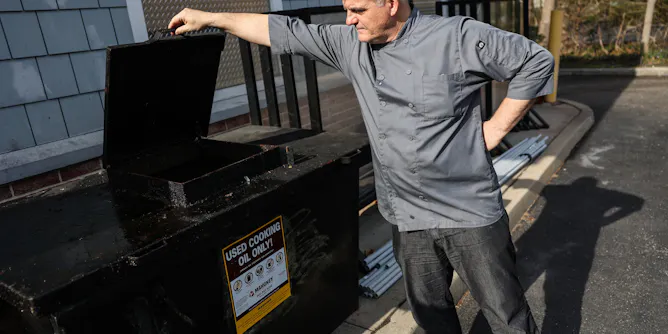
No longer viewed only as waste, used cooking oil is a common ingredient in biofuels.
Articles on Recycling
Displaying 1 - 20 of 411 articles

Europe is not facing a scarcity problem but a recovery challenge, and one that can be solved.

New research suggests municipalities could improve recycling and composting rates by changing how often they collect garbage and organics.
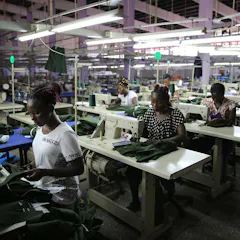
Going circular doesn’t have to mean buying expensive technology. African manufacturers can innovate by learning from what already exists.
Learning communities are supporting circularity across Europe by rethinking processes for recycling waste or reconditioning clothing and vehicles, and navigating policy U-turns.
Extended producer responsibility policies are gaining steam in the US, but what they entail can differ widely from state to state.

Every year, thousands of tonnes of unsold clothing go to landfill. Australia could learn from the EU model.
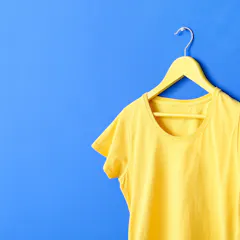
Two garments made from the same fibre may have very different environmental footprints depending on how they were processed and finished.

Our whole system is built to reward recyclability. But what actually matters is how much we’re manufacturing in the first place.

People don’t usually plan to hold onto their old devices, but that’s what many end up doing. Better information about recycling and reselling options could change that.
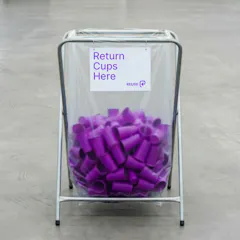
As part of a more effective network of reuse infrastructure, this new symbol could be a catalyst for more effective waste reduction.
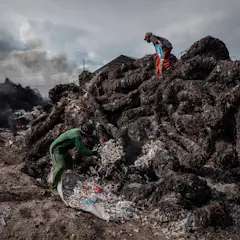
As more countries ban waste imports, plastic waste generators like the US will need to find better solutions. A few states are putting more responsibility on producers.

Reselling clothes might seem like a green option, but it is not as simple as it sounds.
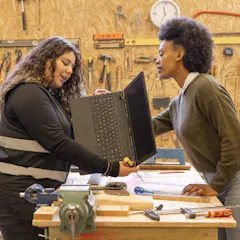
Circular economies don’t follow the ‘take, make and dispose’ model but try to keep products in use for as long as possible by reusing and recycling them.
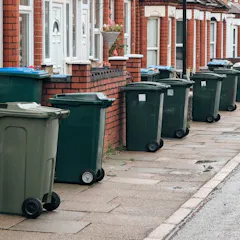
Fortnightly bin collections can prompt more recycling, research shows.

Fashion made out of recycled polyester mostly uses plastic bottles. That’s not a good thing.
Just a tiny fraction of the plastic Australia uses each year gets recycled. This year’s oil shock could cause a rethink.
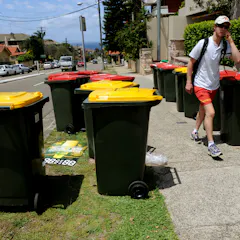
The first thing to know is that what’s accepted in your yellow-lidded kerbside bin depends on where you live.

Instead of just dumping all your old clothes at a charity shop, here are some tips on what to do first.

Around 40 to 50 times more energy goes into producing, transporting and selling food than can be recovered from recycling it.
Top contributors
-

Senior Research Fellow, BehaviourWorks Australia, Monash University
-
Lecturer, School of Life and Environmental Sciences, Deakin University
-
Associate Professor and Research Director, Institute for Sustainable Futures, University of Technology Sydney
-
Professor of Global Environmental Politics, University of California, Berkeley
-
Professor of Applied Environmental Science, University of Southampton
-
Research Principal, Institute for Sustainable Futures, University of Technology Sydney
-
Chair professor - Circular Economy, The University of Melbourne
-
Research Chair, Indigenous Approaches to Environmental Management, Keele University
-
Senior Lecturer, School of Property, Construction and Project Management, RMIT University
-
Associate Dean and Head of Project Management, RMIT University
-
Professor of Sustainable Development, Keele University
-
Research Director, Institute for Sustainable Futures, University of Technology Sydney
-
Research associate, Loughborough University
-
PhD Candidate in Environmental Science, Policy, and Management, University of California, Berkeley
-
Birkbeck, University of London