

While care labels contain information on what washing machine programmes are suitable for garments, use of these machines should be reduced to preserve textiles.
Articles on Clothes
Displaying 1 - 20 of 41 articles
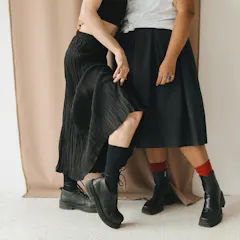
In the words of fashion designer Yohji Yamamoto: ‘Above all black says this: I don’t bother you – don’t bother me!’
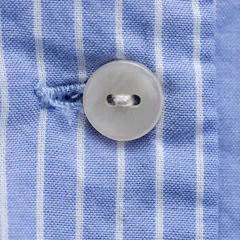
Centuries-old habits shaped today’s fashion standards.

Fashion reflects who we are and the world we live in. If that isn’t art, what is?
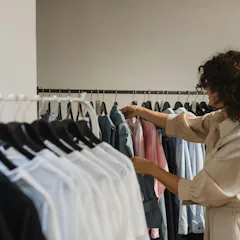
Brands can imply a product inherits the cultural value of silk – even when the fibre itself is fossil-fuel derived or heavily chemically processed.

Fast fashion isn’t just a waste problem, it’s an emotional one. If we understand what we keep and why, we can buy better and more sustainably.
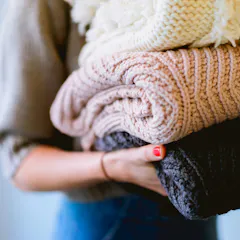
Moths and chemical reactions are the enemies of natural fibre – but there are easy ways to keep your clothes safe.

You followed the instructions, but the garment still shrunk. Here’s why that can happen – and what to do about it.
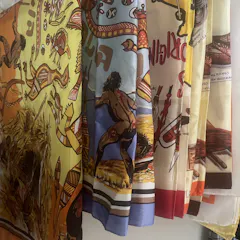
Colonial settlers made myriad objects with problematic portrayals of First Nations people. Now, a number of artists are using these objects in their work to retell these stories.

An expensive purchase price may not guarantee that your product will hold its value.
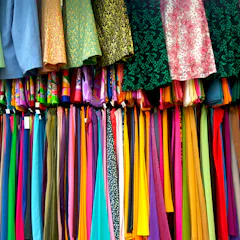
The production, use and end-of-life of clothing all have an impact on our health. But greater ecological awareness could turn the tide.
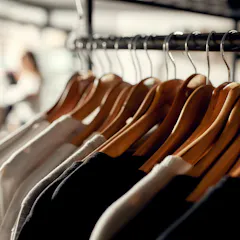
Product-labelling tools have been criticised for making partial assessments of a brand’s impact.

Maman Creppy was one of Togo’s original Nana Benzes who had created a powerful wax cloth empire.
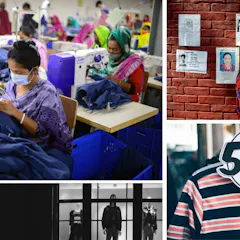
We look back to the 2013 Rana Plaza garment factory collapse in Bangladesh that killed 1,124 people and discuss how much — or how little — has changed for garment-worker conditions today.

Vegan wool, peanut coats and the discovery of DNA: the forgotten life of scientist William Astbury

Margeurite Duras’s fictionalised account of a teenage affair with a much older Chinese man has been criticised as a kind of retro-Orientalist Lolita. But that does her iconic novel an injustice.
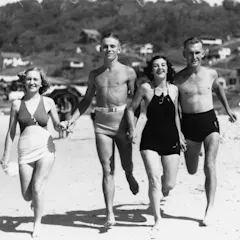
With concern mounting over microplastics and the search for sustainable options, the woollen swimsuits of the past could be the swimwear of the future.

Increasing recycled-fibre clothing offerings should not absolve the fashion industry from the urgent need to reduce production overall.
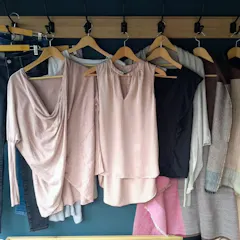
‘Fashion fasts’ are a great way of challenging fast fashion by helping us question how many clothes we really need and reducing fashion consumption.
Many argue that the end of the pandemic is an opportunity to move towards a circular economy in clothing.
Top contributors
-

Director, Swinburne-CSIRO National Testlab for Composite Additive Manufacturing, Swinburne University of Technology
-
Reader in Fashion, Marketing and Sustainability, Glasgow Caledonian University
-
Professor and Dean of the School of Fashion and Textiles, RMIT, RMIT University
-
Professor of English, Macquarie University
-
Distinguished Professor of Design History, UTS, University of Technology Sydney
-
Professor (honorary), The University of Melbourne
-
Deputy Head, Industry Engagement - RMIT School of Fashion & Textiles, RMIT University
-
Teaching Fellow, University of Sydney
-
Cartier Chaired Professor of Behavioural Sciences, Full Professor, Department of Entrepreneurship, ESCP Business School
-
Associate Professor, Service Studies, Lund University
-
Reader in Fashion Marketing, Manchester Metropolitan University
-
Professor of Brand Management, University of Sussex Business School, University of Sussex
-
Research Associate, Queensland University of Technology
-
Oak Foundation Lecturer in History of Dress and Textiles, Courtauld Institute of Art
-
PhD Candidate, University of Technology Sydney