
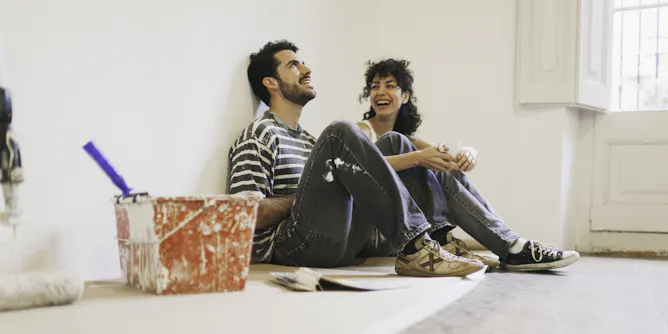
Programs like ‘Big Little Reno’ aim to help people make their houses more energy efficient.
Articles on Sustainability
Displaying 1 - 20 of 858 articles
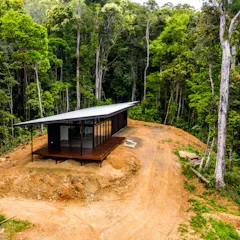
People who have extra funds, suitable homes and a desire to be self-sufficient may consider disconnecting from the grid.

The data centre boom will mean more energy and water use. The real question is how the energy is produced – and where the water comes from.

For millennia, farmers relied on human urine for its vital plant nutrients. As synthetic fertilisers get more expensive, is it time to give pee a chance?
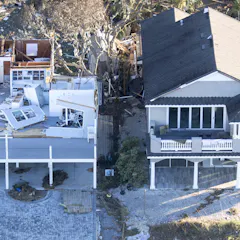
A ‘green’ building has to last for its intentionally small carbon footprint to pay off. That includes surviving flood, storm or wildfire damage.

Extended producer responsibility policies are gaining steam in the US, but what they entail can differ widely from state to state.

A new study reveals what unsustainable construction practices are costing our climate – and what must change.

Dynamite made from fish oil was one weapon deployed by an assertive Japan in the early 20th century

Orbital data centers, space habitats, mining the Moon – despite taking place in space, the practices many companies are imagining will still affect the Earth.
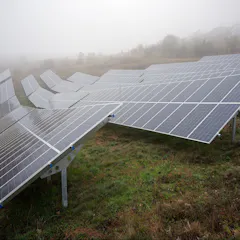
Solar energy is associated with intermittency issues, as it only generates electricity when the sun shines. Certain PV systems can provide cost-effective power reserves for storing electricity.

Many sustainability programs may be aiming at the wrong target because most entrepreneurs won’t become environmental activists.

Both major parties want to boost household solar. But new research suggests wider uptake also depends on policy certainty, design and long-term returns.

Election campaigns focus on today’s pressures. But NZ’s biggest challenges span decades and may require new institutions.
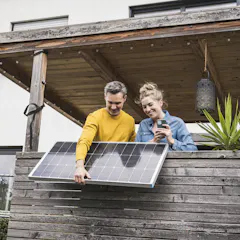
New technologies could make the switch to solar more affordable for renters and apartment dwellers.
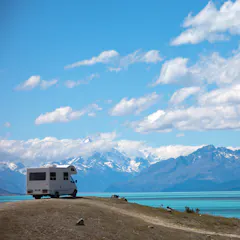
Interviews with NZ tourism operators finds sustainability is rarely straightforward, requiring continual learning, investment and collaboration.
A new study reveals European public opinion goes against widely-held academic views on economic growth being counter-productive to environmental sustainability.

Builders and homeowners are both paying a price for this myth about sustainability features such as solar panels, insulation and batteries.

The average wardrobe has about 200 items of clothing. Many of these may never earn their environmental keep.

We know not to leave lights on all day. We also know not to run an air conditioner with windows open. We need a similar mindset for AI.

Although recovering and reusing house materials takes more time, there can be big social and environmental benefits.
Top contributors
-

Academic Director, School for International Training, The University of Melbourne
-
Associate Professor in Property, Construction and Project Management, RMIT University
-
Professor of Tourism, Griffith University
-
Associate Deputy Vice Chancellor in Research & Innovation, RMIT University
-
Associate Professor in Construction and Environmental Performance, The University of Melbourne
-
John Thwaites is a Friend of The Conversation.
Chair, Monash Sustainable Development Institute & ClimateWorks Australia, Monash University
-
Former Visiting Fellow, SPRU, University of Sussex Business School, University of Sussex
-
Associate Professor of Quantitative Analytics, ESCP Business School
-
Associate Professor, Global Management Studies, Toronto Metropolitan University
-
Professor of Construction and Environmental Assessment, The University of Melbourne
-
Professor of Ecological Economics, UCL
-
Founding Director, Institute for Sustainability, University of Surrey
-
Lecturer, School of Life and Environmental Sciences, Deakin University
-
Postdoctoral researcher, Universität Wien
-
Professor of Sustainability, Curtin University