
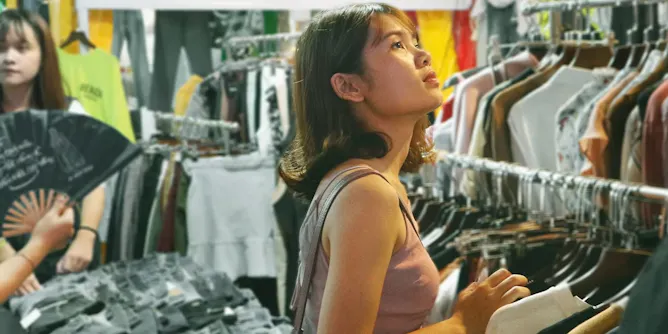
Fashion lovers are generally associated with bursting wardrobes and chasing the latest trends. But that reputation is beginning to shift.
Articles on Sustainable fashion
Displaying 1 - 20 of 36 articles
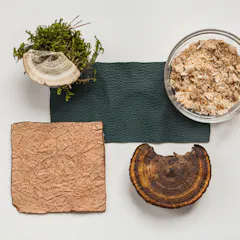
Developing a new material is only the first step. Convincing an industry built around traditional textiles to adopt it is a very different challenge.

Although visible mending was once seen as a quiet, grassroots resistance movement to fast fashion, its popularity is fast growing.

While care labels contain information on what washing machine programmes are suitable for garments, use of these machines should be reduced to preserve textiles.

The average wardrobe has about 200 items of clothing. Many of these may never earn their environmental keep.

Fast fashion isn’t just a waste problem, it’s an emotional one. If we understand what we keep and why, we can buy better and more sustainably.

A researcher explains the benefits of a relatively new farming practice called paludiculture.

Circular retail is not just about what we buy, but how and where we buy it.
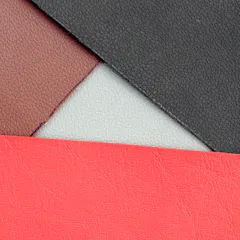
Terms such as “vegan”, “plastic-free” and “biodegradable” currently lack standardised definitions and aren’t regulated rigorously.

Although both pre-loved modern and vintage lingerie are worn, perceptions of their cleanliness differs radically.

West African designers produce only the clothes that are needed, preventing waste and allowing space for creativity.

Growing mountains of textile waste are hard to recycle. There is scope to improve chemical and mechanical recycling methods but consumers and fashion brands play a role in reducing overproduction.
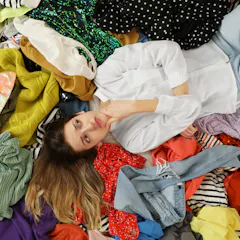
We know fast fashion is bad for the environment. Ultra-fast fashion makes matters worse. This disturbing trend towards disposable clothing is the opposite of sustainable. Here’s what must be done.
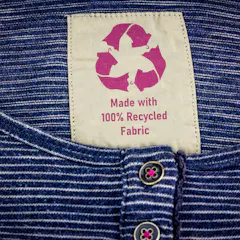
The fashion industry is responsible for around 5% of global greenhouse gas emissions. It’s high time global fashion brands invest in greener alternatives.
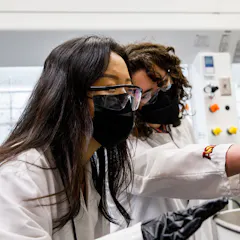
Green jobs go beyond solar panel installation and wind turbine maintenance. They’re found in fields from design to economics and in many types of management.
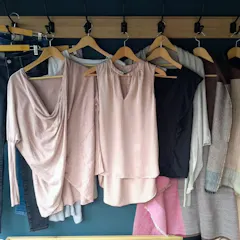
‘Fashion fasts’ are a great way of challenging fast fashion by helping us question how many clothes we really need and reducing fashion consumption.
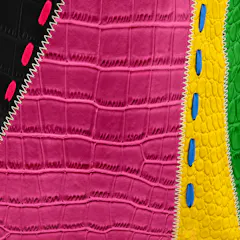
Snakeskins, alligator skins and lizard skins are at the centre of a battle between researchers over sustainability.

Forgot tempeh. The humble shroom has the potential to be used across industries, in ways we’re only beginning to grasp.

We interviewed consumers about ethical fashion choices - they were well intentioned but overwhelmed. There are, however, some good sources of information for conscious shoppers.

Going from a single spore to a finished fungi-derived leather product takes a couple of weeks. But raising a cow to maturity for bovine leather can take several years.
Top contributors
-

Senior Research Associate in Design for Sustainability, Manchester Metropolitan University
-
Postdoctoral researcher, Universität Wien
-
Professor and Dean of the School of Fashion and Textiles, RMIT, RMIT University
-
Visiting Scholar: School of Architecture and School of Engineering, University of Technology Sydney
-
Director, Centre of Excellence in Sustainable Fashion + Textiles, University of Technology Sydney
-
Lecturer in Textiles, Loughborough University
-
Science Catalyst at The Edge, State Library of Queensland
-
Senior Critic, RISD Faculty, Rhode Island School of Design
-
Senior Fashion Studio Lecturer, Queensland University of Technology
-
Assistant Professor of Fashion Design, Ethics and Sustainability, School of Fashion, Toronto Metropolitan University
-
Professor of Markets, Business, and Society, University of Bath
-
Professor of Consumer Research, University of Bristol
-
Marlene and Morton Meyerson Centennial Professor of Business, Department of Marketing and Department of Business, Government and Society, The University of Texas at Austin
-
Lecturer in Geography, Loughborough University
-
Assistant Professor of Marketing, Lehigh University