
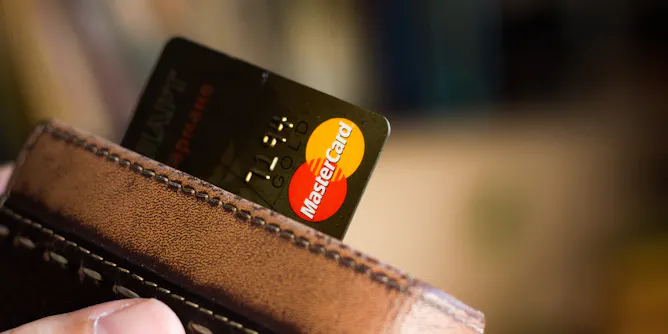
The technology is currently being trialled outside of Australia. It’s one of the first major attempts to bring it to western markets on a large scale.
Articles on Facial recognition
Displaying 61 - 80 of 164 articles

We rely on the spatial arrangement of facial features to process faces, and wearing masks interferes with that — especially for children.

Federal and state governments are turning to a facial recognition company to ensure that people accessing services are who they say they are. The move promises to cut down on fraud, but at what cost?

Smart devices and sensors can now gauge mood and attention, effectively engaging in mind-reading. This intimate data collection raises questions about who has access and control of it.
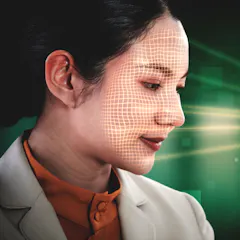
Facial recognition technologies have become more popular through increasingly sophisticated devices and popular fads. Casual use of face scanning and analysis features has long-term social impacts.
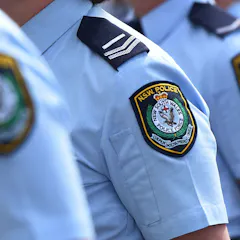
Police forces around the world, including in Australia, are using facial recognition apps to identify persons of interest on the spot. The public, while wary, are generally supportive.
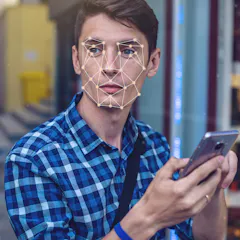
The commitment applies to the social network, but not necessarily to the metaverse.

Several schools in Scotland have paused the rollout of facial recognition technology in school canteens following inquiries from the UK Information Commissioner’s Office.

Mass data collection and surveillance have become ubiquitous. For marginalized communities, the stakes of having their privacy violated are high.
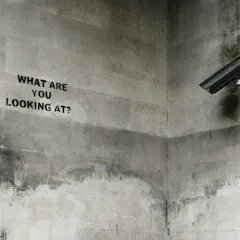
Once analysts gain access to our private data, they can use that information to influence and alter our behaviour and choices. If you’re marginalized in some way, the consequences are worse.

Home quarantine apps face serious privacy, security and bias issues. Home detention ankle tags might be a better option.
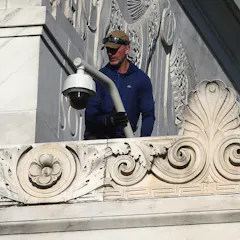
Politicians of all stripes, computer professionals and even big-tech executives are calling on government to hit the brakes on using these algorithms. The feds are hitting the gas.
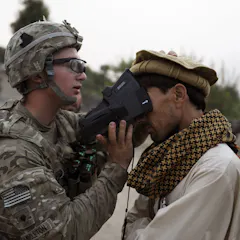
The potential failure of the US military to protect information that can identify Afghan citizens raises questions about whether and how biometric data should be collected in war zones.
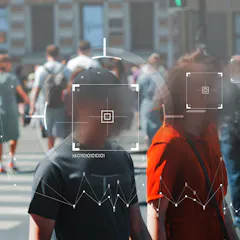
Police, private security and sporting events are turning to a growing but largely unregulated industry that claims its technology can detect suspicious individuals.

COVID-19 vaccine passports are being presented as a relatively simple technological solution to our current travel woes. But meaningful public debate about their merits and problems is essential.

Even though they cover most of our features, face masks are no match for our highly-evolved capacity to recognise friends.

Interviews with students, tutors, tech workers and university administrators reveal the problems with online exam monitoring systems — but also show they’re unlikely to go away.

The CCTV ecosystem is evolving – but it’s still a sparse patchwork with limited efficacy in reducing or prosecuting crime.

Wearing face masks hides our facial expressions and affects our social interactions. They make it harder for us to read facial expressions and can contribute to racist perceptions.
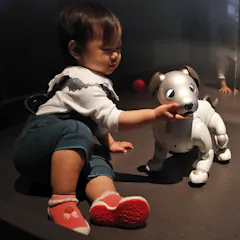
By letting machines recommend movies and decide whom to hire, humans are losing their unpredictable nature – and possibly the ability to make everyday judgments, as well.
Top contributors
-

Research Director of the Security and Surveillance Research group; Professor, The University of Queensland
-
Senior Researcher and Project Manager, Advanced Surveillance Project, CSIRO
-
Sessional Academic, Faculty of Law, Monash University
-
Research engineer, Advanced Surveillance Project, CSIRO
-
Professor of Psychology and Science Communication, Head of Department of Sociological and Psychological Sciences, Abertay University
-
Scientia Fellow, UNSW
-
Professor of Media, School of Media, Film, and Journalism, Monash University
-
Associate Professor in Law, Macquarie University
-
Associate Professor, School of Psychology and Clinical Language Sciences, University of Reading
-
Professor of Computer, Web and Cognitive Sciences, Rensselaer Polytechnic Institute
-
Director, University of Technology Sydney
-
Post-doctoral Research Fellow, The University of Queensland
-
Responsible Technology Policy Specialist - Human Technology Institute, University of Technology Sydney
-
Professor of Cyber Security Practice, Edith Cowan University
-
Associate Professor, School of Psychology, UNSW