

While AI promises to transform criminal justice by increasing operational efficiency and improving public safety, it also comes with risks around privacy, accountability, fairness and human rights.
Articles on clearview ai
Displaying all articles

The decision underscores the importance of strengthening privacy laws and enforcement powers of regulators.

A risk-based approach to regulating AI can help minimise the dangers of the new technology

Police use of surveillance technologies — like security cameras and artificial intelligence — is becoming more widespread. Measures are needed to protect people’s privacy and avoid misidentification.

Lawmakers around the world are making decisions about whether facial recognition technology is acceptable.

Facial recognition technologies have become more popular through increasingly sophisticated devices and popular fads. Casual use of face scanning and analysis features has long-term social impacts.

Mass data collection and surveillance have become ubiquitous. For marginalized communities, the stakes of having their privacy violated are high.
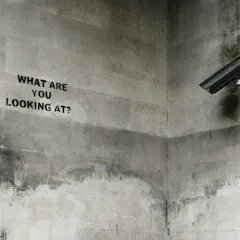
Once analysts gain access to our private data, they can use that information to influence and alter our behaviour and choices. If you’re marginalized in some way, the consequences are worse.

Politicians of all stripes, computer professionals and even big-tech executives are calling on government to hit the brakes on using these algorithms. The feds are hitting the gas.
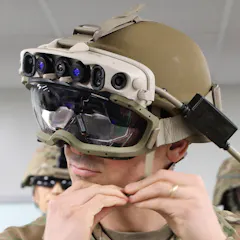
Augmented reality has largely enjoyed cover from critique by being taken as a benign gaming technology. But recent developments suggest we need to get serious about it.

With face masks now compulsory or recommended in various parts of the country, how are facial recognition systems functioning?
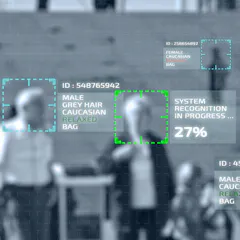
Recently, police forces have come under criticism for their engagement of facial recognition technologies. But pandemic response plans may increasingly incorporate surveillance.
Top contributors
-

Associate Professor in Law, Macquarie University
-
Senior Lecturer in Digital Cultures, Australian Research Council DECRA Fellow, University of Sydney
-
Policy Lead on Technology, Cybersecurity and Democracy, Leadership Lab, Toronto Metropolitan University
-
Professor of Computer, Web and Cognitive Sciences, Rensselaer Polytechnic Institute
-
Assistant Professor of Communication Studies, Concordia University
-
Principal Lecturer and Research Lead, University of Hertfordshire; External Examiner, The Open University, University of Hertfordshire
-
Chancellor's Professor, Psychology, Carleton University
-
Professor in Human-Computer Interaction, ARC Future Fellow, University of Sydney
-
Professor of Cyber Security Practice, Edith Cowan University
-
Policy Analyst, Ryerson Leadership Lab
-
Professor of Law, University of British Columbia