
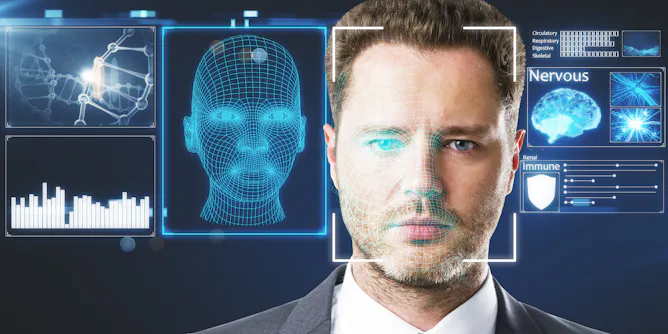
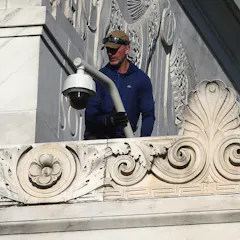
You can wear a mask, pull up a hood, avoid looking at a camera – but you cannot easily change how you walk.
Articles on Biometrics
Displaying 1 - 20 of 61 articles
Families, chiefs or document brokers remain crucial to help people get a legal identity.
Digital identification is supposed to provide identity to all people. But sometimes it blocks access to essential services.
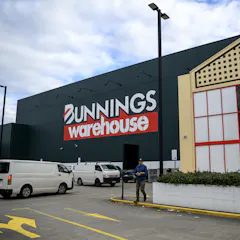
Businesses using facial recognition cameras need customer consent – but a new ruling could open a loophole in the law.
Where automation replaces local, human assistance, those least able to navigate the systems are most likely to lose out.
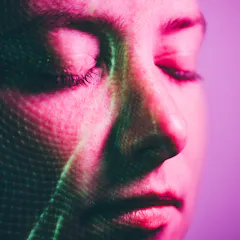
Before you scan your face, you might want to think twice about the risks.
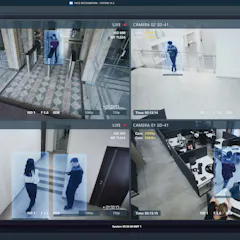
Developments in technology mean there are more ways for workplaces to be monitored, and not always with the knowledge of workers.

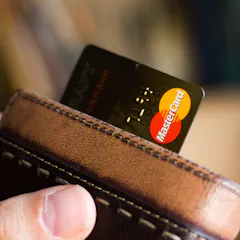
Payment technologies are advancing at such a rate it may not be long before credit cards are redundant.

While many people are comfortable with using facial recognition technology on their phone, they are less happy when it’s the government or private groups identifying them.
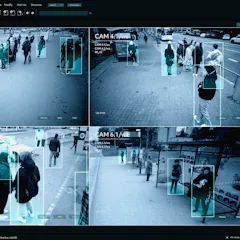
Automated facial recognition is becoming widespread in Australia. The technology has already been used by retail outlets, sport stadiums and casinos around the country. And in November, the Australian…

Biometrics can help companies to be more efficient and to improve their products but there’s a growing need for transparency.
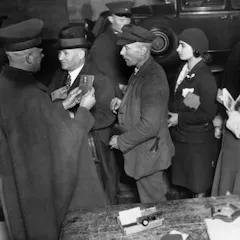
Face recognition technology follows earlier biometric surveillance techniques, including fingerprints, passport photos and iris scans. It’s the first that can be done without the subject’s knowledge.
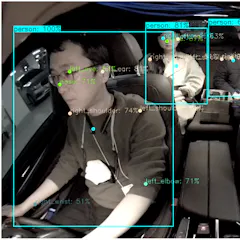
Your car’s safety technology takes you into account. But a lot of that technology helps car companies collect data about you. Researchers are working on closing the gap between safety and privacy.
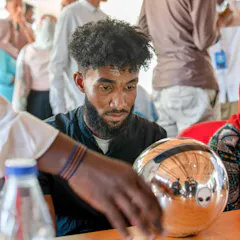
Worldcoin wants to provide ‘proof of personhood’ in an AI-filled future, but critics and governments are unimpressed

Capturing biometric data helps UN agencies and other groups avoid the risk of fraud and increase efficiency. But the practice is complicated and has created security risks for vulnerable groups.
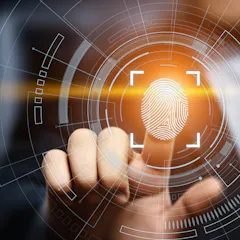
Biometric data can be used in schools to track everything from attendance to exam behaviour and what students buy from the canteen.
The technology is currently being trialled outside of Australia. It’s one of the first major attempts to bring it to western markets on a large scale.

Federal and state governments are turning to a facial recognition company to ensure that people accessing services are who they say they are. The move promises to cut down on fraud, but at what cost?
Politicians of all stripes, computer professionals and even big-tech executives are calling on government to hit the brakes on using these algorithms. The feds are hitting the gas.
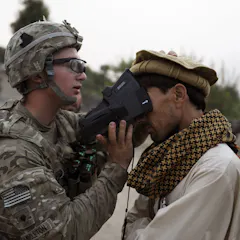
The potential failure of the US military to protect information that can identify Afghan citizens raises questions about whether and how biometric data should be collected in war zones.
Top contributors
-

Associate Professor, School of Law, University of Canberra
-
Professor of Cyber Security Practice, Edith Cowan University
-
Professor of Computer, Web and Cognitive Sciences, Rensselaer Polytechnic Institute
-
Associate Professor, Melbourne Law School, The University of Melbourne
-
Senior Lecturer in Computer Science, RMIT University Vietnam
-
Associate Professor of Computer Science and Engineering, University at Buffalo
-
Associate Professor of Osteoarchaeology, Uppsala University
-
Associate Professor of English and Comparative Literature; Director, Digital Culture and Media Initiative, Penn State
-
University of Stirling
-
Post Doctoral Researcher in network security, Edith Cowan University
-
Professor in Forensic Science, Northumbria University, Newcastle
-
Scientia Fellow, UNSW
-
Lecturer in Computer Science, University of Hull
-
Professor of Agricultural Economics and Director Human Behavior Laboratory, Texas A&M University
-
Associate professor in Political Science, Université Paris Ouest Nanterre, Institute for Social sciences of Politics (ISP), Université Paris Nanterre