

AI-generated faces don’t look weird anymore – they’re ‘hyperaverage’, which is a giveaway to the trained eye.
Articles on Face recognition
Displaying 1 - 20 of 29 articles

It’s a common misconception that facial recognition technology captures and stores an image of your face.

Our research shows the smallest of appearance changes are enough to lead to mistaken identifications in a police line-up. It doesn’t bode well for the justice system.

Our facial information is sensitive – yet companies and individuals can collect, sell and manipulate it without our consent. Australian law must change to protect us all.

Face recognition technology follows earlier biometric surveillance techniques, including fingerprints, passport photos and iris scans. It’s the first that can be done without the subject’s knowledge.
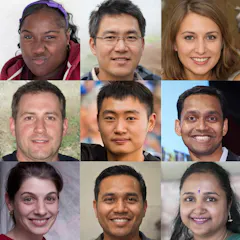
Scientists measured the brain activity of people trying to discern real from synthetic faces.

Plans to use face recognition technology at public events raise issues about civil liberties.

With fine-tuning, the approach correctly balances the risks with the need to encourage innovation.
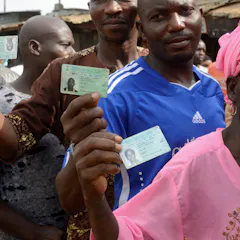
Logistical challenges facing the 2023 elections remain huge given the number of political parties, the security environment and the number of contestants at various levels.

To achieve perceptual expertise, you may need more than smarts and hard work. Research suggests there’s a general ability that may help you succeed in jobs that depend on perceptual decisions.

Australia’s consumer advocacy group Choice identified three Australian retailers who use facial recognition to identify consumers. What are the privacy concerns?
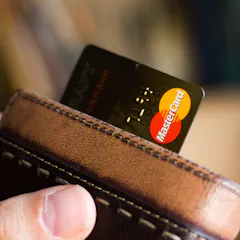
The technology is currently being trialled outside of Australia. It’s one of the first major attempts to bring it to western markets on a large scale.

No single test can accurately determine whether you are a super-recogniser.

Robots are more likely than people to misclassify emotions when reading faces that are partially covered. This could lead to unexpected behaviours when they interact with people wearing masks.

Even though they cover most of our features, face masks are no match for our highly-evolved capacity to recognise friends.
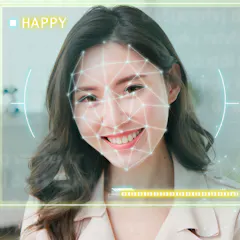
Emotion recognition technology raises questions about bias, privacy and mass surveillance.

The people who are excellent at recognising faces might also excel at recognising voices.

Psychologists are hoping a new, extra-difficult facial recognition test will help unearth more of Australia’s top performers in facial recognition — known as ‘super-recognisers’.

With face masks now compulsory or recommended in various parts of the country, how are facial recognition systems functioning?
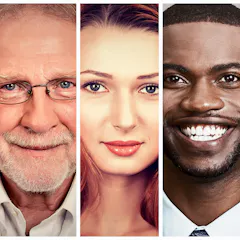
Your ability to recognise faces may have some connection to your extroversion, empathy levels and anxiety.
Top contributors
-

Scientia Fellow, UNSW
-
Associate Professor, School of Psychology and Clinical Language Sciences, University of Reading
-
Post-doctoral Research Fellow, The University of Queensland
-
Senior Lecturer in Psychology; Director of Education for Division of Psychology, Communication & Human Neuroscience, University of Manchester
-
Professor of Psychology and Science Communication, Head of Department of Sociological and Psychological Sciences, Abertay University
-
Senior Lecturer in Psychology, University of East London
-
Professor, Applied Psychology, University of Greenwich
-
Research Fellow, University of Stirling
-
PhD Researcher, Te Herenga Waka — Victoria University of Wellington
-
Reader, Goldsmiths, University of London
-
Professor of Optometry, Glasgow Caledonian University
-
PhD Candidate, Psychology, University of Greenwich
-
David K. Wilson Professor of Psychology, Vanderbilt University
-
Emeritus Professor, Faculty of Health, Deakin University
-
Ph.D. Student in Psychological Sciences, Vanderbilt University