
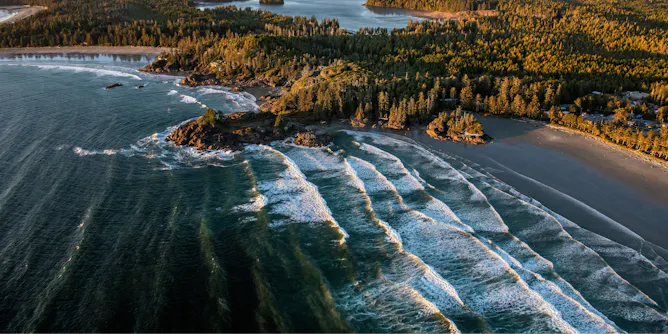
The interpretation that the subduction zone is winding down gets ahead of the science. What the new research actually shows is far more complex and interesting.
Articles on Earthquakes
Displaying 21 - 40 of 336 articles

Scientists are studying the phenomenon of animals behaving strangely before earthquakes.

Memorials, monuments, preserved school buildings and found objects form part of a memory culture that keeps conversations about risk reduction going.
Modern engineering practices explicitly design concrete to be more resilient to earthquakes, but older buildings predate such practices. That makes them especially vulnerable.

A newly-dated geological timescale will help scientists connect NZ’s deep past to present day hazards, climate change and biodiversity.
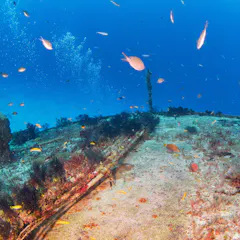
Existing underwater fibre optic cables could help monitor tectonic movement on the ocean floor.
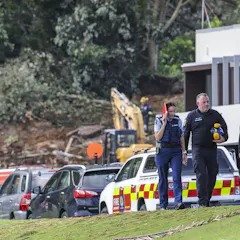
After a series of extreme weather events over the past month, NZ has been reminded that disasters aren’t just acts of nature.

As heavier rain raises landslide risk, gaps in data, law and funding leave New Zealand relying on response rather than prevention.
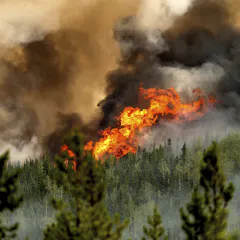
Canadians faces a growing safety crisis yet they remain unprepared. The real danger is complacency.

From drought to soil degradation and environmental pollution, why does society overlook the most impactful disasters?
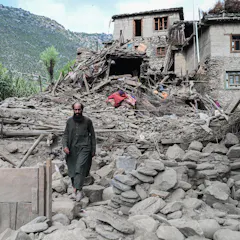
The type of buildings that are common in rural Afghanistan help explain why this earthquake was so deadly.
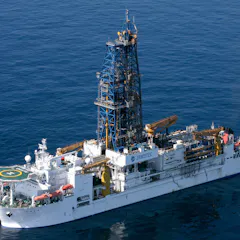
IODP Expedition 405 drilled deep underwater in Japan’s subduction zone to uncover why this region generates some of the world’s most powerful and destructive earthquakes.
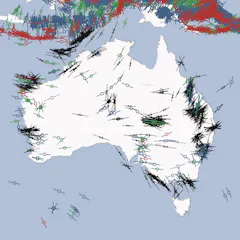
Australia is a long way from the tectonic plate boundaries where most earthquakes happen – but we can’t escape the forces they create.

One of the largest earthquakes on record struck far eastern Russia this week. The last time the region was hit by a such a huge quake, the Soviets hushed it up.
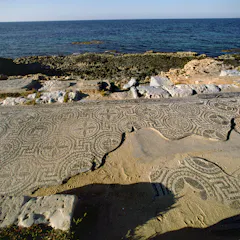
Huge upheavals of the land and sea were facts of life in the ancient world, just as they are today.
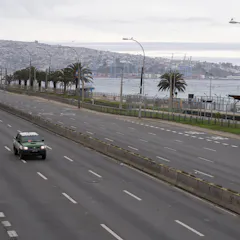
Despite recording one of the strongest earthquakes in a century, the Pacific escaped major damage.
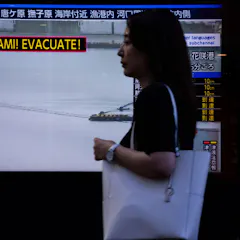
It is not easy to calculate the risk of a tsunami.
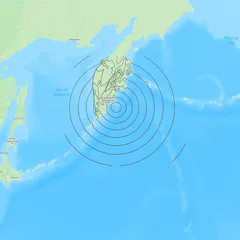
The earthquake in Kamchatka is the largest worldwide since 2011. Its location has been very seismically active in recent months.
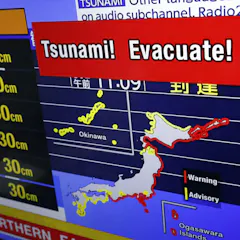
It’s far better to evacuate early and orderly than do it late in a panic. That’s why authorities around the Pacific are taking no chances as a tsunami threat looms.

Earthquake scientists rely on distant seismic instruments to infer how faults rupture during large earthquakes. This video provides the first direct evidence.
Top contributors
-

Professor of Earthquake Science, The University of Melbourne
-
Earthquake Scientist, Monash University
-
Professor in Earth Sciences, Nanyang Technological University, Singapore, and Emeritus Professor of Mineral Physics, University of Cambridge
-
Adjunct Research Fellow, Curtin University
-
Reader in Physical Geography and Natural Hazards, Coventry University
-
Professor of Geophysics, Durham University
-
Professor, Australian National University
-
Honorary Professor of Tsunami Research, PANGEA Research Centre, UNSW Australia, UNSW
-
Honorary Fellow in Structural Geology and Tectonics, The University of Melbourne
-
Senior Scientist in Disaster and Climate Risk at Earth Sciences NZ & Senior Research Fellow (adjunct), Humanitarian Emergency and Disaster Management, Charles Darwin University
-
Professor of Geophysics and Department Head, Colorado State University
-
Redmond Barry Distinguished Professor Emeritus, The University of Melbourne
-
PhD Candidate & Researcher, School of Architecture, Université de Montréal
-
Honorary Professor of Hazards and Disaster Risk Sciences, University of Sydney
-
PhD Candidate in the Department of Earth Sciences, Durham University