
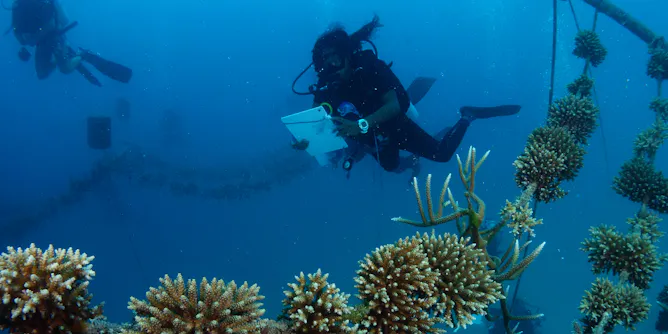
New research examined coral restoration projects worldwide to calculate what it would actually cost to bring back what’s already been lost.
Articles on Coral bleaching
Displaying 21 - 40 of 153 articles

A widely held view in ocean conservation asserts that parrotfish are key to healthy coral reefs. But evidence suggests that the relationship is more complicated.
Warm, deeper water can shut down the ocean’s natural ‘air conditioner’, putting corals at even greater risk.
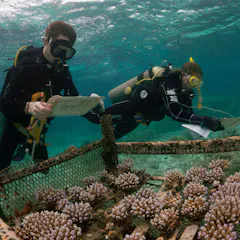
Improvements in heat tolerance remain modest compared to future heatwaves.
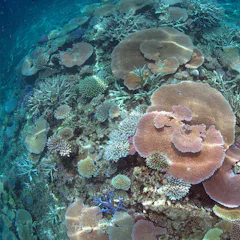
Remarkable diversity in heat tolerance can help coral reefs under climate change.
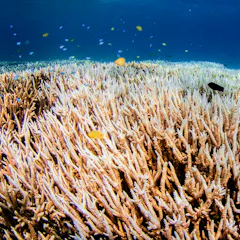
Estimates of the economic value of the Great Barrier Reef range from $21 billion to $56 billion, but its true value is almost certainly higher.

Humanity risks losing the beautiful, complex reefs that have existed on Earth for millennia. Governments and officials have now acknowledged this devastating fact.
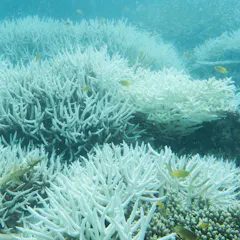
We must face a confronting truth: if humanity does not divert from its current course, our generation will likely witness the demise of one of Earth’s great natural wonders.
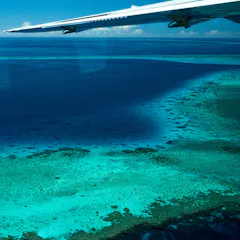
One of the most serious marine heatwaves on record hit the Great Barrier Reef last summer. Now a new report shows that coral cover was high before the impacts of cyclones and mass bleaching.
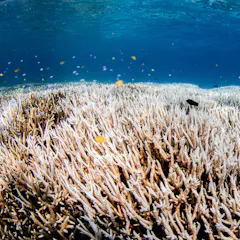
Coral restoration is, at best, a feel-good measure – and at worst, a dangerous distraction from climate action.
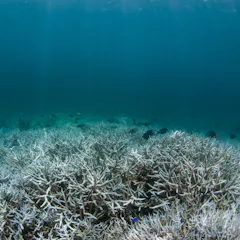
Increasing coral bleaching will be worst for the most biodiverse reefs along the equator, impacting the livelihoods and nutrition of the people who depend on them.
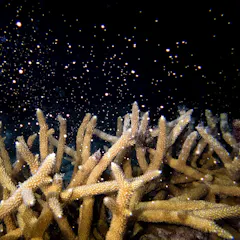
Coral reefs share genetic material across wide areas, with help from ocean currents. This ability is especially important during episodes like the mass bleaching currently occurring.

If Australia wants to maintain the world-heritage status of the Great Barrier Reef – indeed, if it wants to preserve the reef at all – we must act now to prevent more coral deaths.

Around the world, coral reefs are suffering. But scientists in high-income nations are developing new ways to build coral resilience. We have a duty to share our skills and build capacity elsewhere.
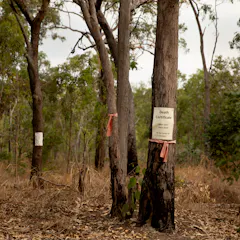
Building ecological grief literacy in workplaces can help environmental professionals manage constant exposure to the many causes of their grieving.
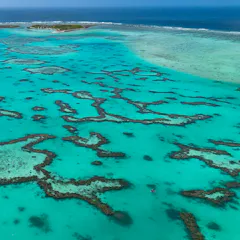
Bleached coral draws our attention, but marine heat does damage to many unseen parts of these ecosystems.
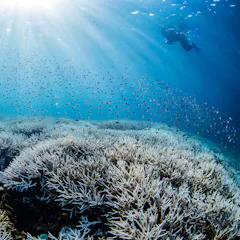
The Great Barrier Reef is facing its worst summer of sustained heat stress since the mass bleaching event of 1998, but now with less time to recover amid repeated brutal conditions.
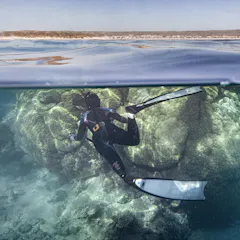
The best strategy to protecting Earth’s coral reefs is to dramatically cut greenhouse gas emissions. But in the meantime, we must urgently make corals more resilient.
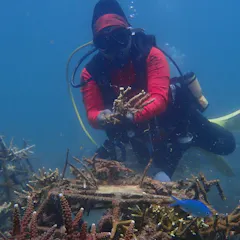
Tourists flock to see coral reefs in Gili Matra, near Bali, which are at growing risk from warming seas. Locals are working to restore coral, while coming up with new income sources – like fish floss.
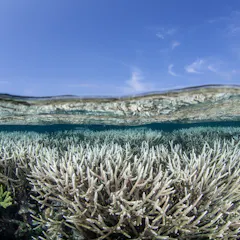
Severe bleaching is forecast to hit 12 Indonesian marine protected areas every year by 2030 – then spread to other areas. Here’s what locals, experts and the government say we need to do to save them.
Top contributors
-

Professor, School of the Environment, The University of Queensland
-
UNESCO Chair on Climate Change Variability of Natural and Cultural Heritage and Professor in Physics, James Cook University
-
Distinguished Professor, James Cook University
-
Adjunct Principal Research Fellow, College of Science and Engineering, James Cook University
-
Research Program Director, Australian Institute of Marine Science
-
Senior Research Scientist in Reef Ecology, Australian Institute of Marine Science
-
ARC Future Fellow and Associate Professor in Climate Science, ARC Centre of Excellence for 21st Century Weather, The University of Melbourne
-
Associate Professor, Marine Ecology, School of Molecular and Life Sciences, Curtin University
-
Professor of Marine Biology, James Cook University
-
Reef Fish Ecologist, Australian Institute of Marine Science
-
Deputy Director, Engagement and Impact, The ARC Centre of Excellence for the Weather of the 21st Century, Australian National University
-
Research Scientist: Coral Ecology, Australian Institute of Marine Science
-
-
Research Program Director – Reef Ecology and Monitoring, Australian Institute of Marine Science
-
Professorial Fellow, ARC Centre of Excellence for Coral Reef Studies, James Cook University