

The first detailed study of Australian tropical oyster reefs reveals the main species, yet to be named, is related to the Sydney rock oyster – and is just as delicious.
Articles on Conservation
Displaying 201 - 220 of 1586 articles
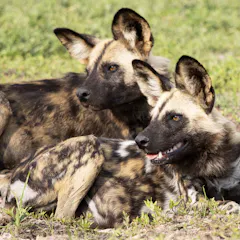
African wild dogs are carnivores always thought to hunt in packs. But new DNA analysis has found they also eat small birds and hares and may hunt alone.
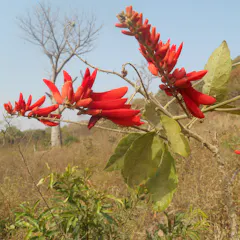
A new publication sheds light on the plants of Burkina Faso and Mali.

Scientists added descriptive terms to the existing general Indigenous frog and reptile names to make them specific.

The Florida Wildlife Corridor, which turns 15 this year, connects habitats across the state for panthers, bears, sparrows and other species.
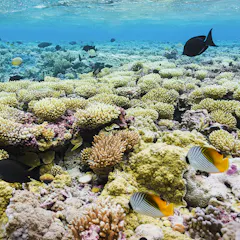
America’s marine protected areas help fish populations thrive. Trump’s plan to open them to industrial fishing may ultimately harm the fishing industry itself.
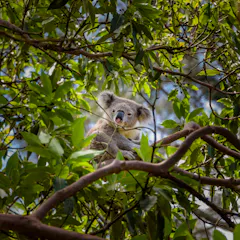
The culling of 700 starving koalas in Victoria has triggered outrage. There has to be a better way to respond after bushfire.
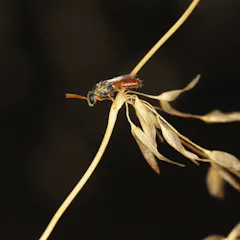
The findings of a new study have important implications for native bee conservation, particularly in urban and agricultural areas.
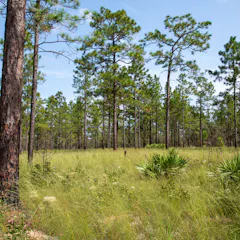
Effective conservation of old-growth ecosystems will work best if it considers their varied ecology.

Claims of ‘bringing back’ any species take away focus from proven solutions that can actually fix the extinction crisis.

New research found regrowth in Queensland provided valuable habitat after 15 years, on average, with some species benefiting from trees as young as 3 years of age.
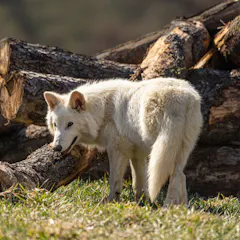
Extinction is, for the time being, forever – and a symptom of our global economic system.
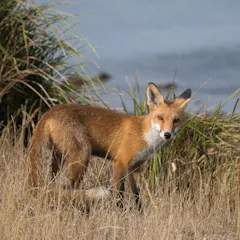
Dozens of Australian mammal species have declined and gone extinct since European colonisation – and introduced predators are often blamed. But evidence is lacking.
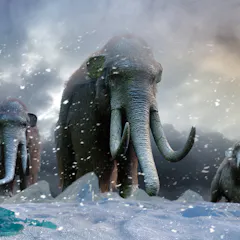
Are new approaches to recreating long-lost animals simply creating imitations?

We don’t want to admit it, but our beloved pet dogs do a lot of environmental damage, from killing or terrifying wildlife to emissions from pet food.

Biosecurity policies may seem onerous and expensive – but they are working to prevent new species from pushing native species out in the Antarctic.
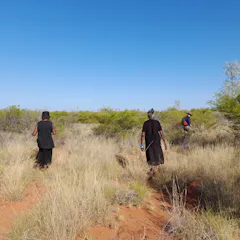
As Australia confronts biodiversity loss, this research underscores the importance of listening to those who know Country best.
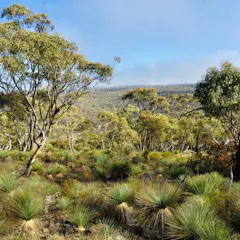
Many native plants are missing from habitats where they should thrive – even in wilder areas. Why? Human actions such as logging, poaching and setting fires.
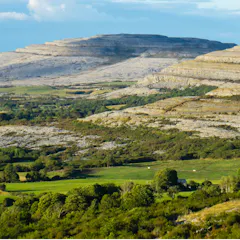
Farmers can take ownership of nature recovery actions and scientific expertise can adapt to local knowledge in the design of environmental outcomes.

Most of Australia’s plants rely on a hidden underground network of fungi for water and minerals. They could be in trouble – but we don’t have the data to know.
Top contributors
-

Professor in Wildlife Ecology and Conservation, School of Life & Environmental Sciences, Deakin University
-
Professor in Conservation Science, School of the Environment, The University of Queensland
-
Distinguished Professor of Ecology, Fenner School of Environment and Society, Australian National University
-
Professor of Conservation Biology, Charles Darwin University
-
Professor of Environmental Management, The University of Queensland
-
Professor, Conservation Biology, The University of Queensland
-
Professor of Conservation and Sustainable Livelihoods, Charles Darwin University
-
Distinguished Research Professor and Australian Laureate, James Cook University
-
Lecturer in the School of Applied Sciences, Edinburgh Napier University
-
Professor in Conservation Science, School of Ecosystem and Forest Science, The University of Melbourne
-
University Fellow in Biodiversity, Charles Darwin University
-
Professor in Terrestrial Ecology, Deakin University
-
Professor of Wildlife Conservation, Australian National University
-
Professor in Ecology, Charles Sturt University
-
Professor, Urban Ecology and Biodiversity, The University of Melbourne; RMIT University