
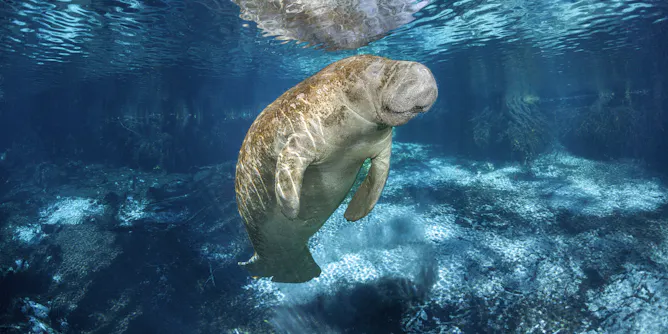
Manatees along Florida’s coast are eating less seagrass and more algae than they did a few decades ago. This dietary shift could pose a new threat to the survival of the beloved species.
Articles on Conservation
Displaying 281 - 300 of 1586 articles
Frequent fuel-reduction burning appears to prime ecosystems for major disruption when the next wildfire hits.
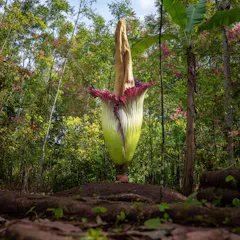
The stench of a rare corpse flower make us retch. But you’re not the target – the plant wants to lure carrion beetles and flesh flies
Central Queensland has become a koala refuge. But heavy traffic on one highway is threatening a vital population of these threatened marsupials
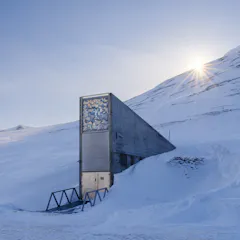
The Svalbard Global Seed Vault has a practical mission – protecting seeds as a backup for seed banks around the world – but inspires strong cultural, political and artistic reactions.
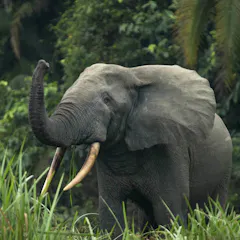
Nigeria has only a few hundred elephants left. They are worth saving, for several reasons.
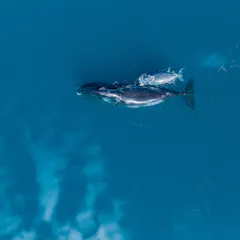
Commercial whaling, present challenges and future threats shape genetics and the potential for adaptation in the bowhead whales and narwhals of the Canadian Arctic.
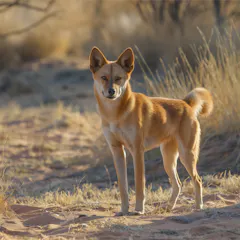
New genetic research shows dingoes are not breeding with domestic dogs in the wild. But that could change if lethal control measures continue to decimate populations in Victoria.

Bringing the natural world back from the brink is more urgent than ever. Nature-positive policies offers a way to do so – if done properly.

Tree and bird diversity has been linked to a number of positive mental health outcomes. It is time that urban planners interested in human well-being take biodiversity into account.

A recent study has found that seafood mislabelling is running rampant in Calgary, and that certain product names are more likely to hide species of conservation concern.
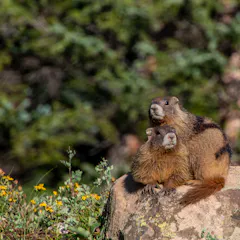
New research finds that marmots who experience adversity early in life have a lesser chance of survival.
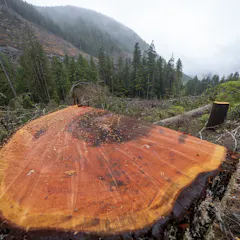
Canada’s existing species at risk legislation fails at protecting its most vulnerable inhabitants. More robust protections are needed.

The invasive spiny water flea is spreading fast across Canada. Awareness is key to curtailing its growth.
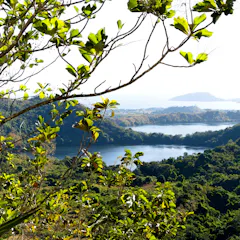
Islands cover just 5.3% of the world’s land area, but contribute disproportionately to global biodiversity, according to research published in Nature.

Ocean eddy currents are driving extreme heat and cold events in the deeper sea, home to the world’s most abundant animal and its largest migration
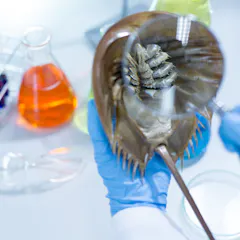
The genetic codes of plants and animals are stored in global databases, often without proper compensation to the countries where they originated. A potential solution will be discussed at Cop16.

We’re discovering more species of richly coloured peacock spiders all the time. But their small ranges puts them at very real risk. One species faces likely death by suburban sprawl.

In the 1940s, RAAF planes took aerial photographs of the Great Sandy Desert, capturing something valuable: the patterns of burning performed by our ancestors over generations.
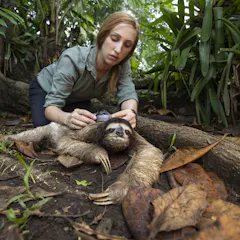
Highland sloths are not able to slow their metabolic rate like lowland sloths when temperatures get too hot.
Top contributors
-

Professor in Wildlife Ecology and Conservation, School of Life & Environmental Sciences, Deakin University
-
Professor in Conservation Science, School of the Environment, The University of Queensland
-
Distinguished Professor of Ecology, Fenner School of Environment and Society, Australian National University
-
Professor of Conservation Biology, Charles Darwin University
-
Professor of Environmental Management, The University of Queensland
-
Professor, Conservation Biology, The University of Queensland
-
Professor of Conservation and Sustainable Livelihoods, Charles Darwin University
-
Distinguished Research Professor and Australian Laureate, James Cook University
-
Lecturer in the School of Applied Sciences, Edinburgh Napier University
-
Professor in Conservation Science, School of Ecosystem and Forest Science, The University of Melbourne
-
University Fellow in Biodiversity, Charles Darwin University
-
Professor in Terrestrial Ecology, Deakin University
-
Professor of Wildlife Conservation, Australian National University
-
Professor in Ecology, Charles Sturt University
-
Professor, Urban Ecology and Biodiversity, The University of Melbourne; RMIT University