
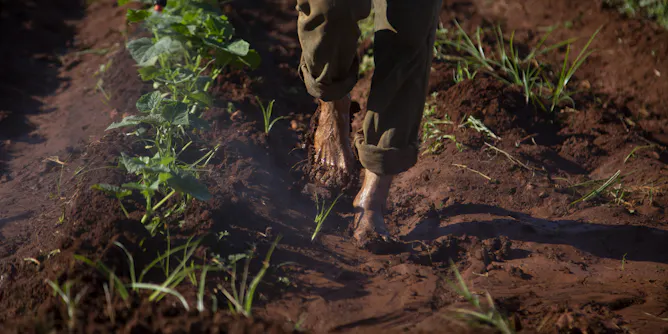
As the costs of disasters climb, working out who will finance climate adaptation has become increasingly urgent for developing nations.
Articles on Climate change adaptation
Displaying 101 - 120 of 318 articles

It has psychological consequences for those affected now, but also for those who expect to be in future.
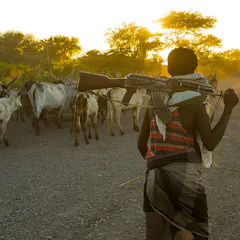
In the absence of peace, efforts to address climate risks will be restrained, ineffective and counterproductive.
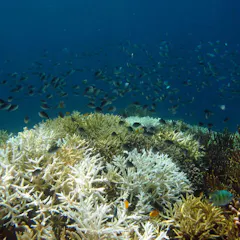
A new biodiversity index captures the climate risk for nearly 25,000 marine species and their ecosystems and lays the groundwork for climate-smart approaches to management and conservation.

The research reviewed the available evidence on microalgae as food supplements, livestock feeds, biofertilisers, biostimulants and biochar feedstocks.
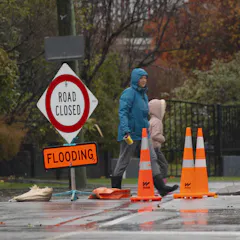
New Zealand’s first adaptation plan gives local councils clearer guidelines, but it doesn’t tackle crucial questions about who should pay and how to future-proof major investments.
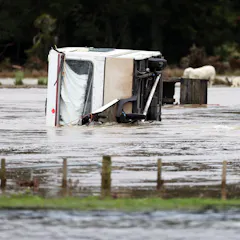
The people hardest hit by climate change are invariably those who are more vulnerable. We need to pay more attention to the root causes of vulnerability and address poverty and inequity.

Adapt to climate change with insulated walls, window shutters and reverse-cycle heat pumps.
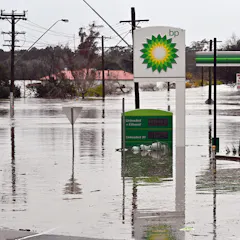
Property buybacks and managed retreat from high-risk areas were once seen as far-off options as the planet warms. Now this ‘last resort’ adaptation to climate change is an urgent priority worldwide.
The Nationals have long promoted coal for regional development and politics. But new leader David Littleproud could seize the moment and refocus the regional party.
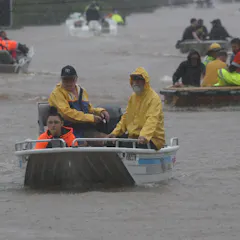
We can’t let communities face climate change alone. We must get better at adapting to the new climate, and do it before disasters not during.

As the ocean temperature rises, many marine species are moving toward the north and south poles in search of cooler waters, thus rewriting the menus of seafood restaurants on the West Coast of Canada.
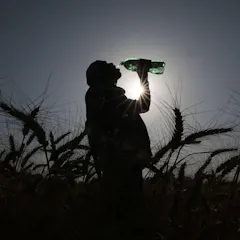
The current heatwave isn’t even a huge outlier compared to normal temperatures.
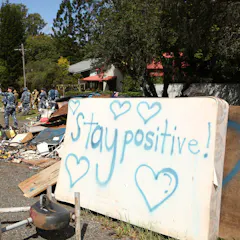
How can we, personally, prepare for a future with not only more frequent natural disasters, but one that will also profoundly change the environment, communities and the economy?
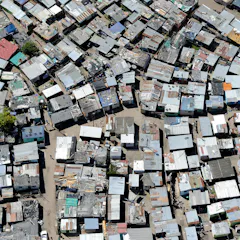
The UN estimates one in four city dwellers live without access to basic services or adequate housing.
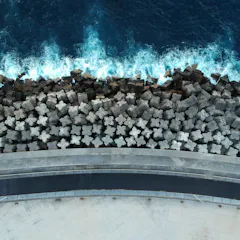
New breakwater designs and more sustainable materials can cut the carbon cost of coastal defences by 40%.
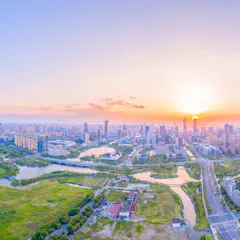
Flood threatened settlements must get everyone involved in an effort to become truly resilient cities.
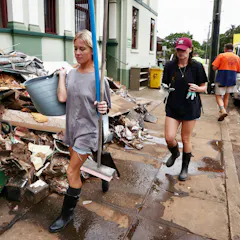
Simply providing passive information is not enough. Governments must find better ways to deliver important messages about natural hazards.

Disasters are becoming more frequent and severe as the climate heats up – but Australia is badly under-prepared.
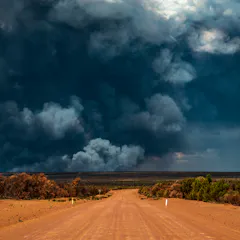
Three of the report’s 270 authors highlight some key findings.
Top contributors
-

Associate Professor of Climate Adaptation, University of Tasmania
-
Honorary Associate Professor, Australian National University
-
Associate Professor in Climate Adaptation, Griffith University
-
Director, ANU Institute for Climate, Energy & Disaster Solutions, Australian National University
-
Director of African Climate and Development Initiative, Professor in Environmental and Geographical Science, University of Cape Town
-
Emeritus Professor of Urban & Regional Planning, University of Canberra
-
Professor of Climate Change Adaptation, La Trobe University
-
Chief Research Scientist - Environment, CSIRO
-
ICLEI Professor of Practice - Local Government Climate Resilience, La Trobe University
-
Professor of Ecology, Evolution, and Behavior; Director, Institute on the Environment, University of Minnesota
-
Professor of Pyrogeography and Fire Science, University of Tasmania
-
Professor in Conservation Science, School of the Environment, The University of Queensland
-
Senior Lecturer, Department of Tourism, Sport and Society, Lincoln University, New Zealand
-
Research Fellow, School of the Environment, The University of Queensland
-
Professorial Research Fellow, Victoria University