
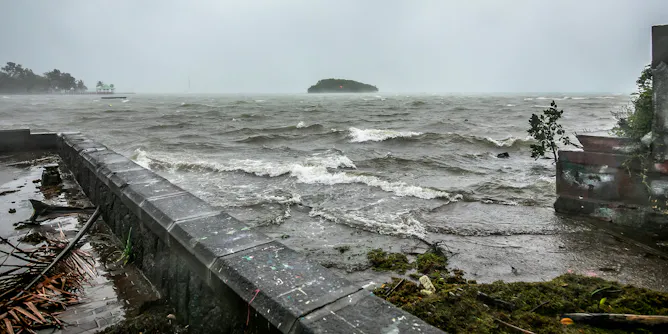
Mauritius is securing climate funding, but weak oversight and poor coordination risk leaving vital adaptation money mismanaged.
Articles on Climate change adaptation
Displaying 21 - 40 of 318 articles
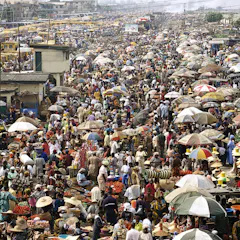
Floods regularly devastate Lagos’s informal workers, but traders and residents have built their own systems to adapt where the state has failed.
Circular economies don’t follow the ‘take, make and dispose’ model but try to keep products in use for as long as possible by reusing and recycling them.
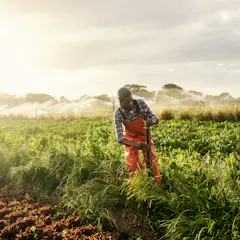
Thousands of hectares of communal land set aside for smallholder farmers’ use in South Africa are lying fallow because of collapsed government irrigation systems.
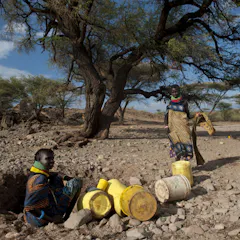
Climate change increases vulnerability to extremist recruitment, while al-Shabaab activity blocks adaptation, reinforcing a cycle of fragility.
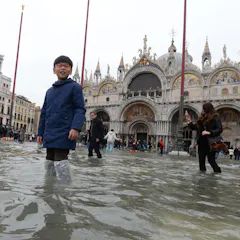
As sea levels rise, Venice’s options are running out. New research shows that even the most ambitious engineering may only delay the inevitable.
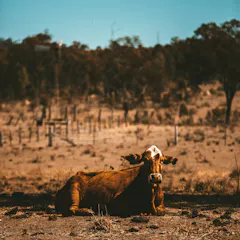
Australia produces enough food for 75 million people. But intensifying heat and natural disasters and competition for water are eroding food security.
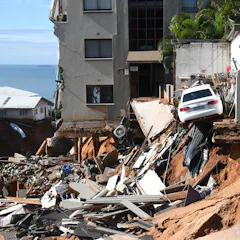
South Africa needs almost US$15 billion over a decade just to reach a basic level of climate adaptation, that protects water, food, health and infrastructure.

Africa holds key green energy minerals but exports them raw. If the continent had its own Green Bank, it could finance local manufacturing and green industry.

What if harsh environments don’t stress animals at all? Research on South Africa’s striped mice shows survival can depend on conserving energy, not fighting back.
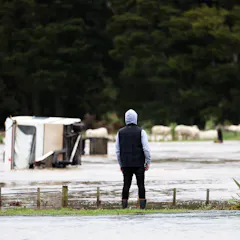
Post-disaster reviews show NZ repeats the same warnings. Breaking the cycle means stronger laws, clearer responsibilities and greater funding.
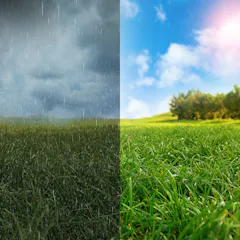
Sharp seasonal swings are happening more often – and they’re a big problem for homes, food and infrastructure.
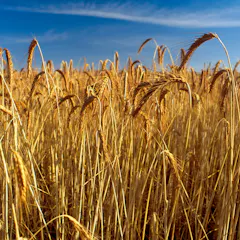
Sustained extreme heat can damage, weaken and kill all living things, from wheat crops to koalas and fruit bats.

Heavy demands for energy and water risk locking ski resorts into a model that climate change will ultimately make unviable.
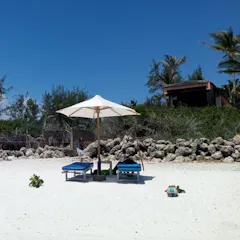
Climate change is hitting Kenya’s coastal women and their small tourism businesses, but the loss of their way of life cuts as deeply as the economic damage.
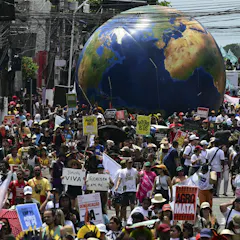
African countries need funding, skilled staff, and technology to make adaptation happen.
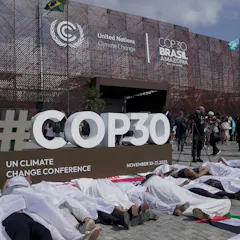
Mozambique, one of Africa’s climate hotspots, faces droughts, floods and cyclones but lacks data, skilled experts and finance to adapt.
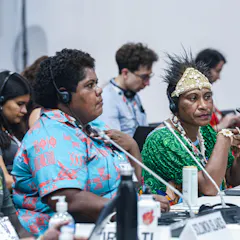
An insider explains the Alliance of Small Island States and what’s made it so effective.
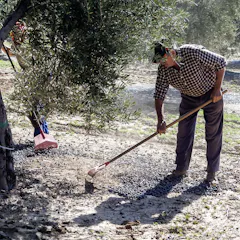
People need to feel they are part of the solution, not the problem.
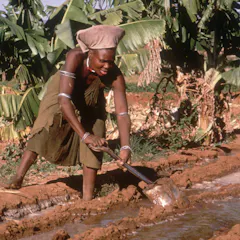
The G20 must collect ancient practices that can help the world withstand climate change so that this knowledge is available for future generations.
Top contributors
-

Associate Professor of Climate Adaptation, University of Tasmania
-
Honorary Associate Professor, Australian National University
-
Associate Professor in Climate Adaptation, Griffith University
-
Director, ANU Institute for Climate, Energy & Disaster Solutions, Australian National University
-
Director of African Climate and Development Initiative, Professor in Environmental and Geographical Science, University of Cape Town
-
Emeritus Professor of Urban & Regional Planning, University of Canberra
-
Professor of Climate Change Adaptation, La Trobe University
-
Chief Research Scientist - Environment, CSIRO
-
ICLEI Professor of Practice - Local Government Climate Resilience, La Trobe University
-
Professor of Ecology, Evolution, and Behavior; Director, Institute on the Environment, University of Minnesota
-
Professor of Pyrogeography and Fire Science, University of Tasmania
-
Professor in Conservation Science, School of the Environment, The University of Queensland
-
Senior Lecturer, Department of Tourism, Sport and Society, Lincoln University, New Zealand
-
Research Fellow, School of the Environment, The University of Queensland
-
Professorial Research Fellow, Victoria University