

The super El Niño could cause 31,400 extra heat deaths in Nigeria alone. Heat warnings, cooling centres and worker protections could help save lives.
Articles on Climate crisis
Displaying 1 - 20 of 349 articles
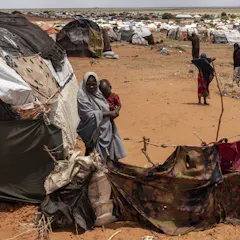
African countries are now crafting the first continent-wide framework to tackle how climate disasters can worsen hunger, displacement and conflict.
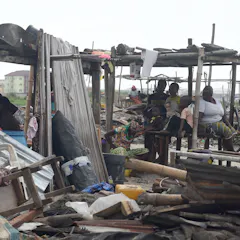
Residents whose homes cluster along waterways, canals and shorelines have built organised systems for living with climate change.

People restoring Africa’s ecosystems need climate services that combine forecasts with Indigenous knowledge and information about land, water and livelihoods.
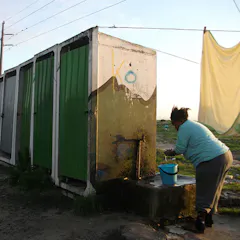
South Africa’s water law promises fairness, but ageing infrastructure, weak governance and unequal power leave many without reliable water.
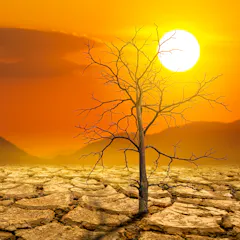
The world is likely to pass 1.5°C of warming. Africa faces worse heat, drought and floods, but faster cuts to emissions can still limit the overshoot damage.
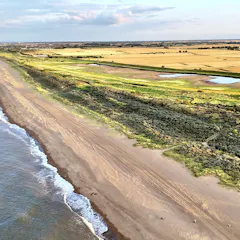
The places most exposed to saltwater flooding, especially the low-lying Fenlands, are also some of the most productive farmland in the UK.

Climate finance should not be separated from development funding.
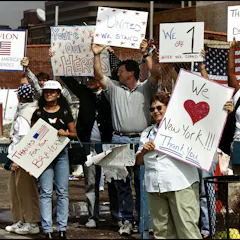
Decades of disaster research show how catastrophes strain communities – and reveal the connections that help people endure.
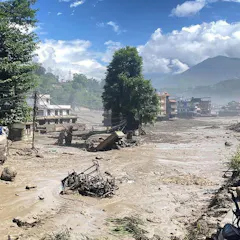
Recovery time between climate disasters makes a huge difference to the consequences affecting local people.
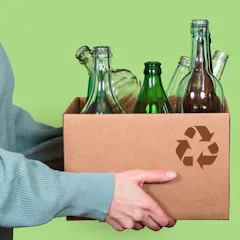
Learning communities are supporting circularity across Europe by rethinking processes for recycling waste or reconditioning clothing and vehicles, and navigating policy U-turns.
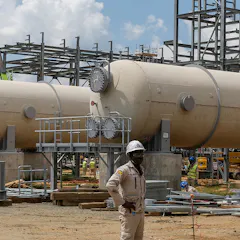
Rivalry has not disappeared from east Africa. It has simply been repackaged as competing ‘regional’ projects.
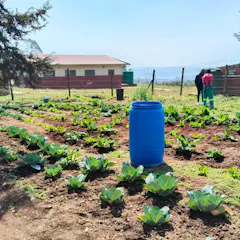
In a rural South African village, climate action is influenced by ubuntu: the belief that people are connected and have a responsibility to one another.
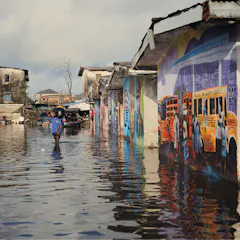
Crises that add up on top of each other have to be addressed in an integrated way.
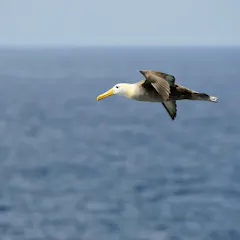
Grief is an understandable response to witnessing harm to places and species that matter to us.
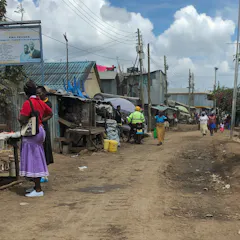
A study of 701 households in Nairobi found that rising food and fuel prices after Russia’s invasion of Ukraine forced many families to eat and cook less.
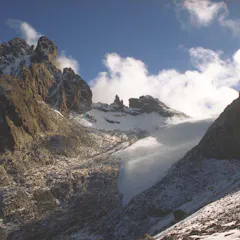
This decrease of snowfall is driven by changing sea surface temperature patterns in the Indian Ocean, which is a signal of global warming.

An expert explains the different types of drought and what happens when they combine with heatwaves.

Africa has a chance to host a climate conference that makes an impact.
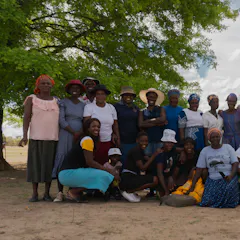
New research shows how women in rural Zimbabwe rebuilt their lives after Cyclone Dineo displaced hundreds of families and swept away their homes.
Top contributors
-

Professor of Earth System Science, UCL
-
Principal Lecturer in Psychology, University of Brighton
-
Research Fellow, The ARC Centre of Excellence for the Weather of the 21st Century, Australian National University
-
Gender and Migration Scientist; Regional Lead for Southern Africa in the CGIAR FOCUS Climate Security Team, CGIAR
-
Senior Research Scientist, Physical Geography and Ecosystem Science, Lund University
-
Environment + Energy Editor and Host of the Climate Fight podcast series, The Conversation
-
Professor of Law, University College Cork; Independent Social Research Foundation
-
Lecturer in Asia-Pacific Studies, University of Lancashire
-
Senior Research Associate, University of Oxford
-
Senior Research Fellow and Associate Professor, Melbourne Climate Futures initiative, The University of Melbourne
-
Professor of International Relations, The University of Queensland
-
Visiting professor, Harvard University
-
Lecturer in Sustainability, University of Manchester
-
Research Fellow, International Food Policy Research Institute (IFPRI)
-
Lecturer in Art and researcher, University of Nigeria