

Beyond the monetary value of carbon credits sits something more complex: every restoration project involves trade-offs, and somebody carries them.
Articles on Climate change adaptation
Displaying 1 - 20 of 318 articles
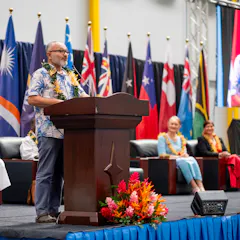
Pacific leaders are seeking support for regional climate-finance options that give communities better access and stronger input into global decision making.
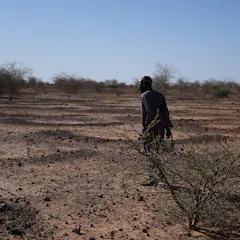
The super El Niño could cause 31,400 extra heat deaths in Nigeria alone. Heat warnings, cooling centres and worker protections could help save lives.
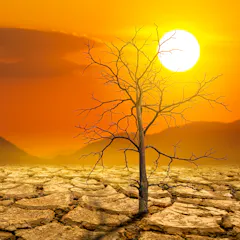
The world is likely to pass 1.5°C of warming. Africa faces worse heat, drought and floods, but faster cuts to emissions can still limit the overshoot damage.
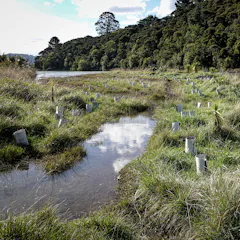
For nature-based climate adaptation, better data is only one part of the full system required to determine where to act, who decides and how action will be funded.
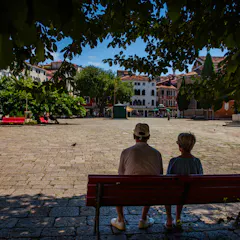
From floodlit beaches to late-night libraries, city life has to change to beat the heat.
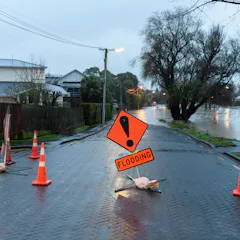
Only 3% of spending on natural hazards focuses on reducing risk, allowing governments to shift liability but leaving communities unprepared.
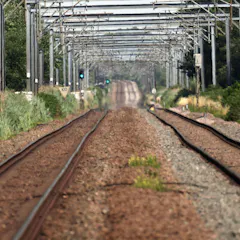
Heatwaves can cause tracks to buckle, forcing speed restrictions or closures. An engineering expert explains how railways can adapt to a hotter climate.
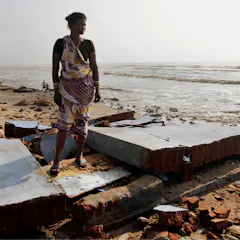
Researchers spoke to relocated people in India and Bangladesh to find out what worked.
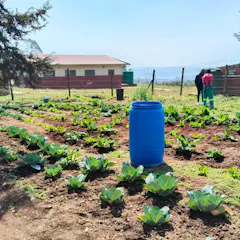
In a rural South African village, climate action is influenced by ubuntu: the belief that people are connected and have a responsibility to one another.

Wildfire, drought and heat have made climate change impossible to avoid this northern summer. But will authorities tackle the cause – or the symptoms?
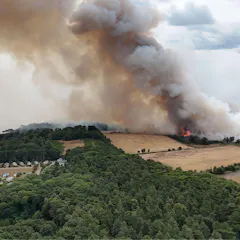
The most effective wildfire risk reduction happens long before the first 999 call.
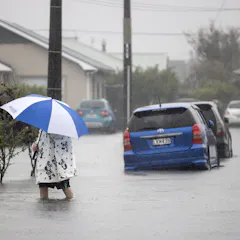
New research shows disabled people remain overlooked in climate policy, despite lived experience that could help build more resilient communities.
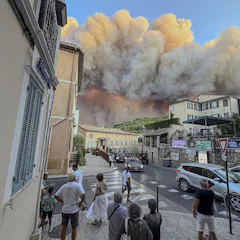
The fires facing Spanish and French firefighters are harder to put out – and much more intense.
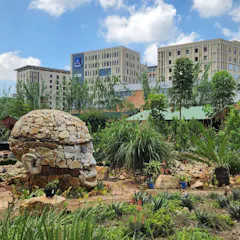
Parks do more than cool cities. They also help people work together to cope with climate change, but only if local communities help design, manage and care for them.
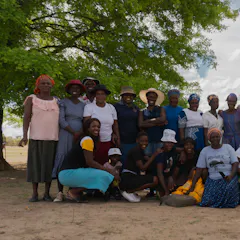
New research shows how women in rural Zimbabwe rebuilt their lives after Cyclone Dineo displaced hundreds of families and swept away their homes.

Factories that process crops and agricultural products need training and support to help them face climate risks.
The hottest days show how poorly prepared our homes and energy systems are for the current climate – and the climate to come.
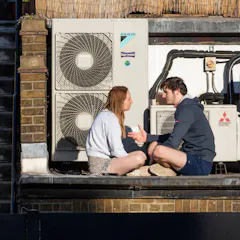
About 4% of UK homes have air conditioning, concentrated in wealthier households.

As the UK gets hotter, children will seek water to cool down. The real question is why so many have so few places to go.
Top contributors
-

Associate Professor of Climate Adaptation, University of Tasmania
-
Honorary Associate Professor, Australian National University
-
Associate Professor in Climate Adaptation, Griffith University
-
Director, ANU Institute for Climate, Energy & Disaster Solutions, Australian National University
-
Director of African Climate and Development Initiative, Professor in Environmental and Geographical Science, University of Cape Town
-
Emeritus Professor of Urban & Regional Planning, University of Canberra
-
Professor of Climate Change Adaptation, La Trobe University
-
Chief Research Scientist - Environment, CSIRO
-
ICLEI Professor of Practice - Local Government Climate Resilience, La Trobe University
-
Professor of Ecology, Evolution, and Behavior; Director, Institute on the Environment, University of Minnesota
-
Professor of Pyrogeography and Fire Science, University of Tasmania
-
Professor in Conservation Science, School of the Environment, The University of Queensland
-
Senior Lecturer, Department of Tourism, Sport and Society, Lincoln University, New Zealand
-
Research Fellow, School of the Environment, The University of Queensland
-
Professorial Research Fellow, Victoria University