
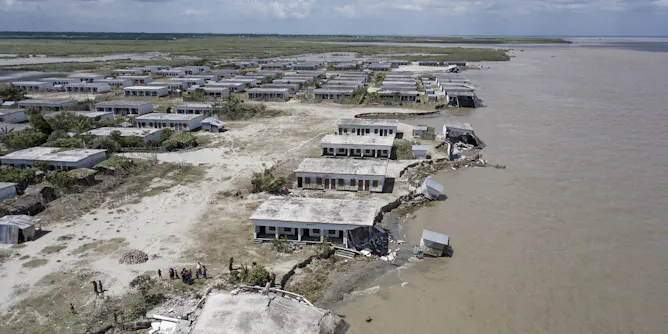
Bangladesh is on the front lines of climate change, but factors including money, gender and religion make some Bangladeshis much more vulnerable than others. Can it find inclusive ways to cope?
Articles on Climate change adaptation
Displaying 161 - 180 of 318 articles
Australian winemakers have lost smoke-tainted crops and political leaders apparently cannot solve the Murray Darling crisis. Perhaps climate change is getting the better of us.
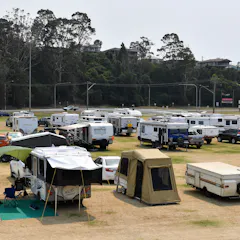
Sending holidaymakers directly into forests and national parks right in the middle of peak bushfire season is madness.
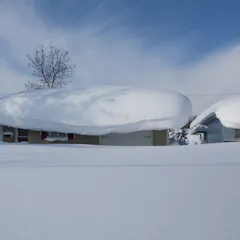
As climate change intensifies, much of the nation’s building stock will need upgrading to strengthen it against flooding, snowstorms and other weather hazards.
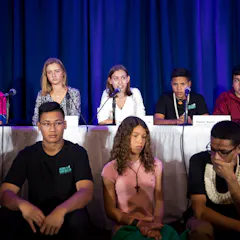
From 3D printing using plastic waste to growing cherry trees in the Himalayas, young people are not sitting idle while the world burns.
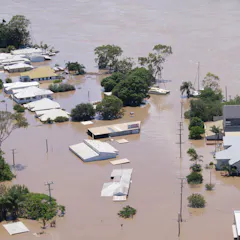
Climate change has got to the point that communities around the world are having to contemplate moving. It’s never an easy process, but good planning improves the prospects of successful relocation.
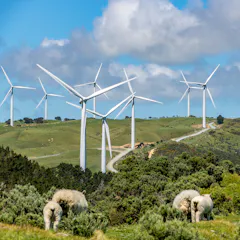
New Zealand is small and generates a tiny fraction of global greenhouse gas emissions, but investment in cutting emissions is important and could influence other, larger countries.
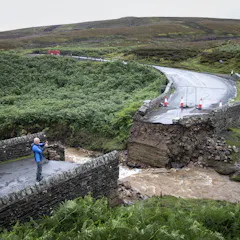
Bridges were often built for pedestrians and small, old cars – not heavy modern traffic and climate-linked flooding.
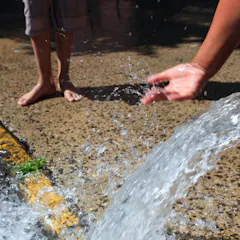
Hot weather kills more Americans yearly on average than floods, tornadoes or hurricanes. Three scholars explain how cities can prepare and help residents stay cool.
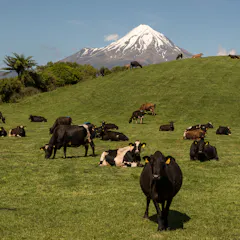
New Zealand’s government has released a bill that sets targets to bring long-lived greenhouse gases to net zero by 2050 and reduce emissions of the shorter-lived methane by 10% within a decade.
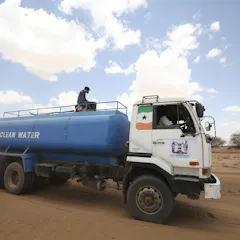
Changes in weather patterns have made life a great deal more precarious for pastoral communities.
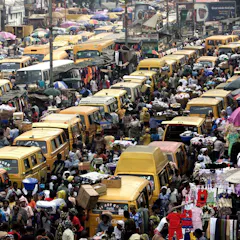
Urban adaptation to climate change is more effective where local citizens participate.
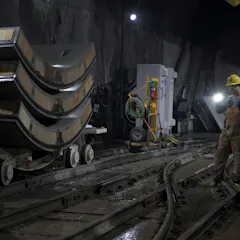
Climate change science was driven by curiosity in the past. Now climate researchers need to focus on managing the risk of global warming’s ill effects.
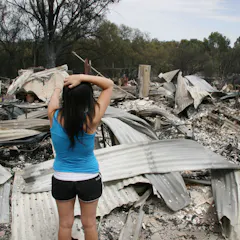
In the years after Black Saturday, climate adaptation research was in full swing, creating knowledge in how to deal with the risks. But a series of funding cuts have left this research in decline.
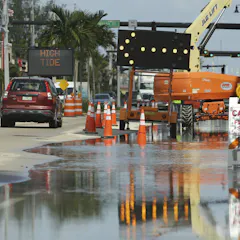
Climate change is happening and will intensify in coming decades. Some experts say it’s time for a triage strategy that focuses investments where they are most likely to have an impact.
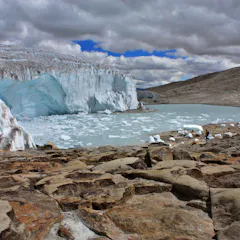
A climate scientist has been visiting the same glacier in Peru for years and explains the complex effects its rapid melting is having.
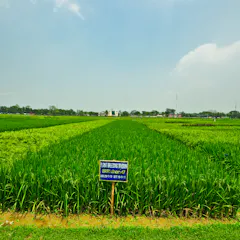
Rising seas and groundwater depletion, both driven by climate change, are making soils saltier in many parts of the world. Farmers will need help adapting, especially in developing countries.
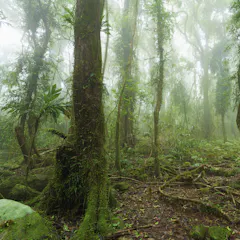
The reality is that without human intervention, ecosystems will reshape themselves in response to climate change. The Queensland government has launched a climate plan for the state’s ecosystems.
The $4 billion that foundations are pledging to spend within five years amounts to less than 1 percent of what businesses and governments spend on global warming every year.
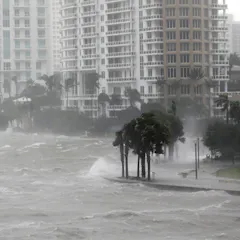
Infrastructure systems – roads, water treatment systems, power grid – can’t be built the same ways as in the past. What’s a better roadmap for the future?
Top contributors
-

Associate Professor of Climate Adaptation, University of Tasmania
-
Honorary Associate Professor, Australian National University
-
Associate Professor in Climate Adaptation, Griffith University
-
Director, ANU Institute for Climate, Energy & Disaster Solutions, Australian National University
-
Director of African Climate and Development Initiative, Professor in Environmental and Geographical Science, University of Cape Town
-
Emeritus Professor of Urban & Regional Planning, University of Canberra
-
Professor of Climate Change Adaptation, La Trobe University
-
Chief Research Scientist - Environment, CSIRO
-
ICLEI Professor of Practice - Local Government Climate Resilience, La Trobe University
-
Professor of Ecology, Evolution, and Behavior; Director, Institute on the Environment, University of Minnesota
-
Professor of Pyrogeography and Fire Science, University of Tasmania
-
Professor in Conservation Science, School of the Environment, The University of Queensland
-
Senior Lecturer, Department of Tourism, Sport and Society, Lincoln University, New Zealand
-
Research Fellow, School of the Environment, The University of Queensland
-
Professorial Research Fellow, Victoria University