
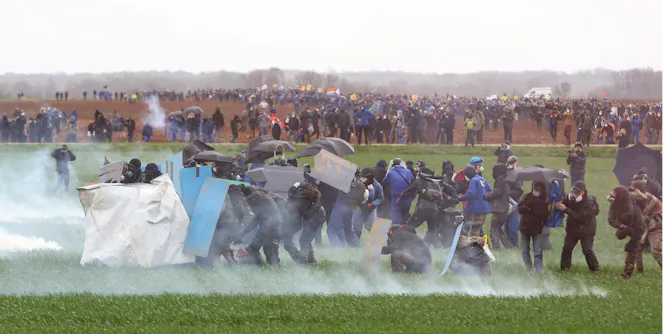
Protests against massive water reservoirs and new skiing infrastructure are some of the events in 2023 that have thrust climate adaptation politics into the limelight. Here’s why it matters.
Articles on Climate change adaptation
Displaying 81 - 100 of 318 articles

As the sea rises and storms get stronger, movable flood barriers are going to be used more often.

Regular floods are washing away parts of KwaZulu-Natal faster than they can be rebuilt.
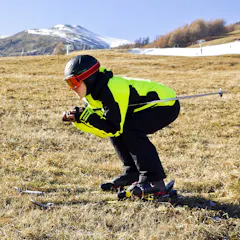
Skiing is central to the economy of many mountain regions across Europe. How are they coping with climate change and what room for adaptation do they have?
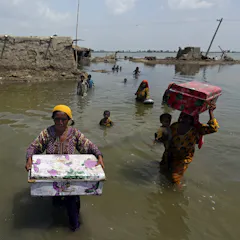
Through the Loss and Damage Fund, developed states and major emitters will compensate developing countries experiencing the most devastating effects of climate change. The fund is now operational.
New emissions projections bode well for Australia’s climate efforts – but our fossil fuel exports continue apace.
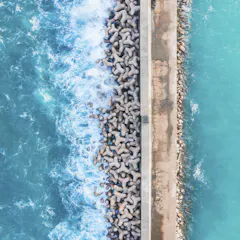
Preliminary findings show that managed retreat, structural flood protection and climate-resilient development projects are most at risk of maladaptation.

A new study of Florida’s fiscal vulnerability to climate change finds that flooding directly threatens many local tax bases.
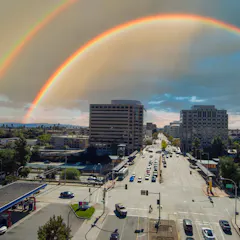
A new report explores options for managing the period after global warming exceeds 1.5°C. This is called ‘climate overshoot’, because we’re pushing past the safe zone into dangerous climate change.

Further research is needed in order to quantify the costs of extreme heat so we can reduce its damaging effects now and in the future.
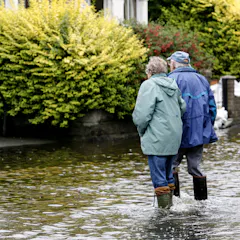
Across the world, elderly people tend to be the most vulnerable to climate-related disasters.
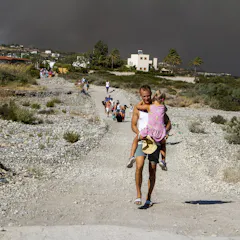
No one plans a European holiday thinking of fleeing from fire or sheltering from intense heat. But the climate crisis is forcing a reckoning – tourism as we knew it will have to change.
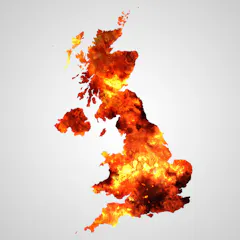
A new climate adaptation plan leaves experts underwhelmed.
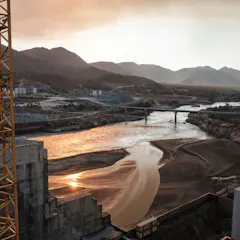
Hundreds of rivers are shared between two or more countries – this could be a source of cooperation or conflict.

Climate change is bringing heightened droughts, heat stress and floods. For our fruit trees, that means tougher conditions. To prepare means mining their genomes to hunt for resilience.
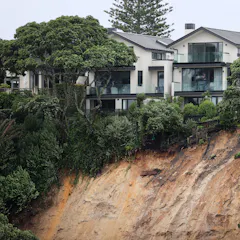
Storms, flooding and other climate-related events highlight the urgent need for a national managed retreat framework. Past experiences suggests it will involve many challenges.

Australian cities remain woefully unprepared for the more extreme weather we are already seeing with climate change. But some cities overseas stand out for having developed readymade solutions.
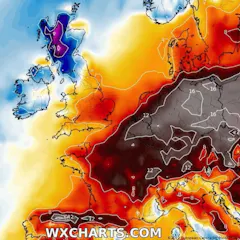
Europe’s recent heatwave was one of the most severe ever.
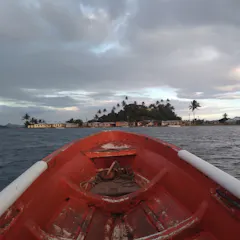
Residents are living with the impacts of climate change and know it’s happening. But leaving their homes would strike at the heart of their identity.
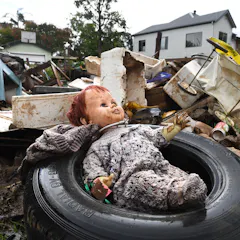
Australia must recognise the complex risks associated with cascading natural disasters, and draw on the knowledge and experience of all citizens.
Top contributors
-

Associate Professor of Climate Adaptation, University of Tasmania
-
Honorary Associate Professor, Australian National University
-
Associate Professor in Climate Adaptation, Griffith University
-
Director, ANU Institute for Climate, Energy & Disaster Solutions, Australian National University
-
Director of African Climate and Development Initiative, Professor in Environmental and Geographical Science, University of Cape Town
-
Emeritus Professor of Urban & Regional Planning, University of Canberra
-
Professor of Climate Change Adaptation, La Trobe University
-
Chief Research Scientist - Environment, CSIRO
-
ICLEI Professor of Practice - Local Government Climate Resilience, La Trobe University
-
Professor of Ecology, Evolution, and Behavior; Director, Institute on the Environment, University of Minnesota
-
Professor of Pyrogeography and Fire Science, University of Tasmania
-
Professor in Conservation Science, School of the Environment, The University of Queensland
-
Senior Lecturer, Department of Tourism, Sport and Society, Lincoln University, New Zealand
-
Research Fellow, School of the Environment, The University of Queensland
-
Professorial Research Fellow, Victoria University