
Plus, a section of a rocket is about to crash on the Moon. What scientists hope to learn from it. Listen to The Conversation Weekly podcast.
Articles on Climate change adaptation
Displaying 121 - 140 of 318 articles
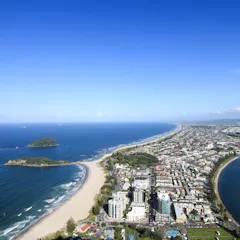
Globally, about a billion people living in coastal cities are at risk of climate hazards. The impacts go well beyond the coast and could affect us all, with disruptions to supply chains and trade.
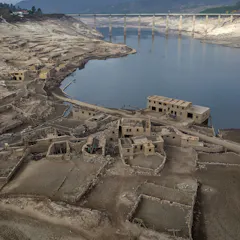
Water is central to adapting to climate change, but very few of the strategies put in place to respond to water hazards or ensure its availability have been evaluated.
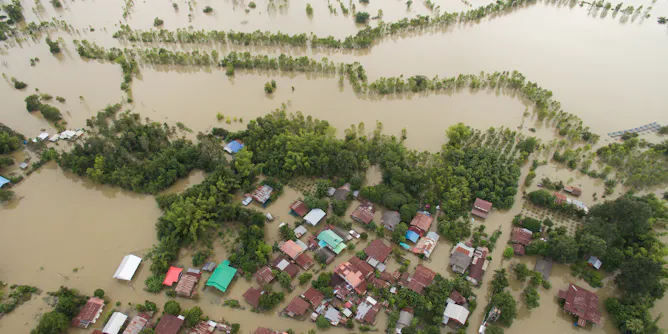
Decades of research shows disasters are caused human vulnerabilities rather than the climate itself.
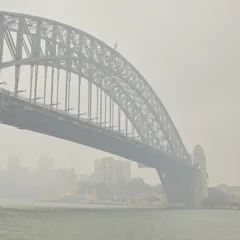
We are no longer in typical conditions. Climate change is already damaging human and natural systems we hold dear in Australia.
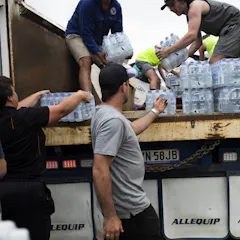
Disaster-affected communities form the backbone of any disaster response. But survivors are often underutilised in shaping plans for their community’s longer-term recovery and preparedness efforts.

Forests around the world will need to shift their ranges to adapt to climate change. But many trees and plants rely on animals to spread their seeds widely, and those partners are declining.
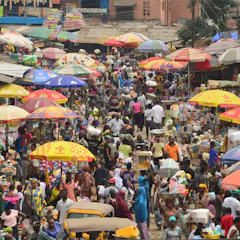
The African continent stands to lose the most from climate change - here’s what local governments can do to protect it.
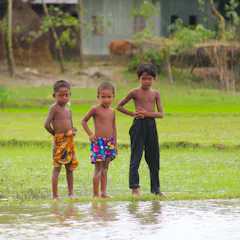
Two Bangladeshi academics spoke to delegates at the Glasgow COP.
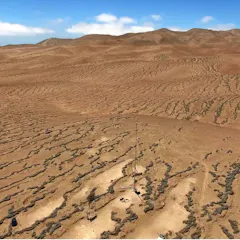
This hardy desert plant lives in the hostile Atacama Desert in Chile by sucking moisture out of passing fog. As water resources become ever more scarce, humans could follow suit.
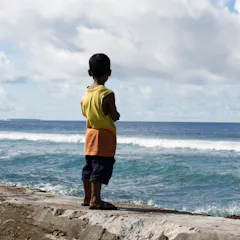
Loss and damage – the three words which define the Glasgow summit’s disappointing outcome.
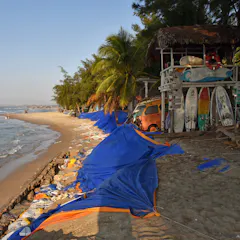
A report found the amount of funding needed to adapt to climate change exceeds what has so far been delivered by 80%.

This Australian climate policy gives cause for hope, but will it really lead to a well-adapted Australia?
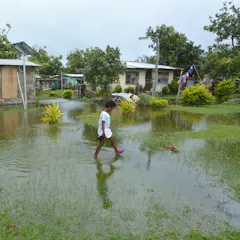
Helping developing nations pay for the expensive work of emissions reduction and adaptation benefits everyone on the planet.
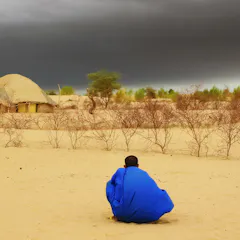
Without financial support that helps communities adapt to climate impacts, climate change is projected to push tens of millions more Africans into extreme poverty by 2030.
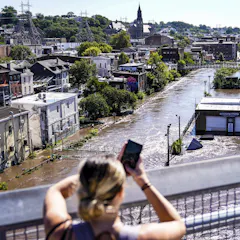
More than half of the world’s population lives in cities, and that share is growing. Rapid climate change could make many cities unlivable in the coming decades without major investments to adapt.
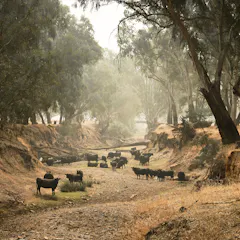
We need to urgently address the gaps in Australia’s capacity to manage disasters that have widened since climate adaptation was relegated to the back burner.
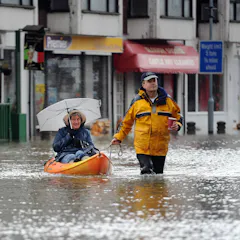
We surveyed 2,400 businesses to see what they are doing to prepare for climate change.
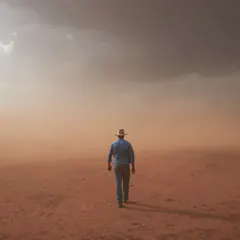
Australia must start planning for the loss of entire regional communities, and internal climate refugees.
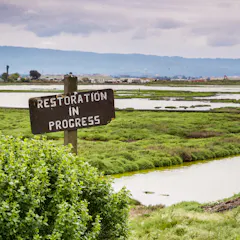
Every five years nations must evaluate their progress towards the goals of the Paris Agreement. But this “stocktake” lacks detail making it difficult to measure progress on climate action.
Top contributors
-

Associate Professor of Climate Adaptation, University of Tasmania
-
Honorary Associate Professor, Australian National University
-
Associate Professor in Climate Adaptation, Griffith University
-
Director, ANU Institute for Climate, Energy & Disaster Solutions, Australian National University
-
Director of African Climate and Development Initiative, Professor in Environmental and Geographical Science, University of Cape Town
-
Emeritus Professor of Urban & Regional Planning, University of Canberra
-
Professor of Climate Change Adaptation, La Trobe University
-
Chief Research Scientist - Environment, CSIRO
-
ICLEI Professor of Practice - Local Government Climate Resilience, La Trobe University
-
Professor of Ecology, Evolution, and Behavior; Director, Institute on the Environment, University of Minnesota
-
Professor of Pyrogeography and Fire Science, University of Tasmania
-
Professor in Conservation Science, School of the Environment, The University of Queensland
-
Senior Lecturer, Department of Tourism, Sport and Society, Lincoln University, New Zealand
-
Research Fellow, School of the Environment, The University of Queensland
-
Professorial Research Fellow, Victoria University