
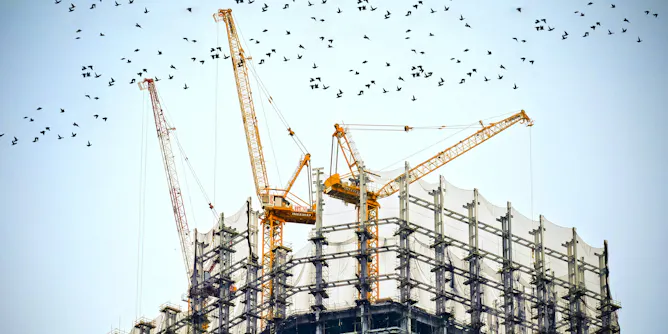
One-tenth of global emissions result from the production and supply of building materials – and the construction process itself.
Articles on Circular economy
Displaying 81 - 100 of 154 articles
Plus, why reusable food containers aren’t always better for the environment than disposable ones. Listen to The Conversation Weekly.
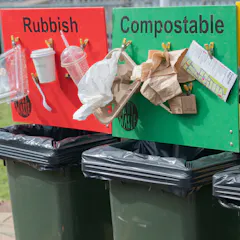
New Zealand plans to shift to a circular economy but planning is split between agencies, is inconsistent and and contradictory, and it perpetuates a business-as-usual approach.
Many argue that the end of the pandemic is an opportunity to move towards a circular economy in clothing.
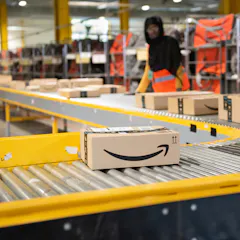
Financial accounts don’t currently factor in environmental problems.

Carbon emissions from maritime shipping and port activities are on the rise. But city ports are finding ways to reduce their carbon footprints and reconnect with nearby cities.

Construction and demolition creates more waste than any other sector, but much of it can be recycled. However, public resistance to setting up new plants stands in the way of a sustainable market.

There are many hard lessons learned from the pandemic; one is that our food system needs a serious reboot. Luckily, we need only look to nature’s cycles for clues on how to fix it.
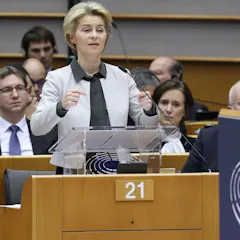
To achieve sustainable growth under the constraint that consumption is independent from the use of natural resources, we must move along the path of qualitative growth.

SUVs accounted for 7% of the European market in 2009. Today, it’s almost 40%.

Used electronics and electrical equipment, known as e-waste, can generate a significant amount of money if recycled.
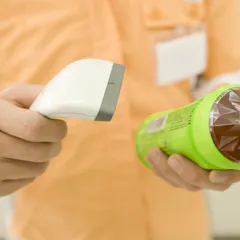
The hard work of eliminating plastic waste must start with businesses.
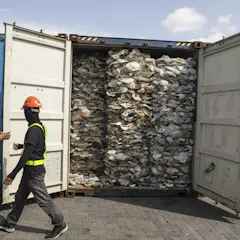
UK still ships huge amounts of plastic waste to places like Vietnam, Malaysia and Pakistan.
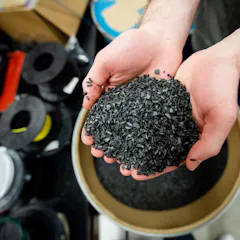
Consumers can turn plastic waste into valuable products at minimal cost using the open source technologies associated with DRAM – distributed recycling and additive manufacturing.
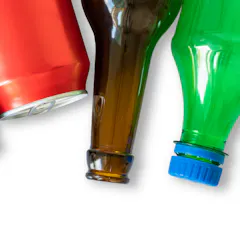
Here’s how to quench your thirst in an environmentally responsible way.
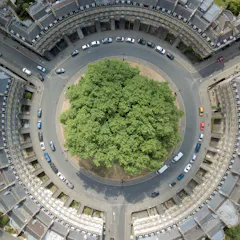
Manufacturers will increasingly track the products they sell to make recycling them more profitable.
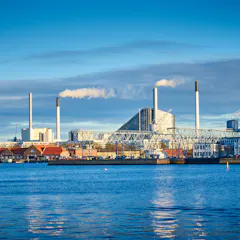
Waste-to-energy incinerators could help Australia deal with its mounting waste crisis, but burning rubbish may come with risks to public health.
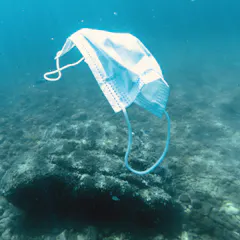
From a purely environmental perspective, owning multiple reusable face masks, and machine-washing them together, is the best option.
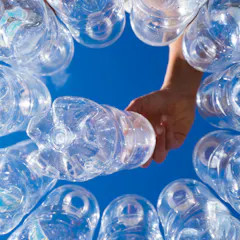
New Zealand’s potential to expand its domestic recycling sector is enormous. It could create jobs and divert millions of tonnes of waste from landfills, as long as there are clear, measurable targets.
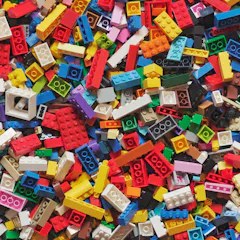
Plastics are strong, durable, waterproof, lightweight, easy to mould, and recyclable – all key properties for construction materials.
Top contributors
-

Associate Professor and Research Director, Institute for Sustainable Futures, University of Technology Sydney
-
Associate Professor, Global Management Studies, Toronto Metropolitan University
-
Professor of Technology Management and Circular Economy, Kingston University
-
Senior Lecturer in Urban Planning, School of Architecture and Cities, University of Westminster
-
Senior Lecturer, Auckland University of Technology
-
Lecturer in Circular Economy and Sustainable Transformations, University of Edinburgh
-
Professor, ESCP Business School
-
Reader in Fashion, Marketing and Sustainability, Glasgow Caledonian University
-
Professor, Harvard University
-
Senior Lecturer, School of Property, Construction and Project Management, RMIT University
-
Chair professor - Circular Economy, The University of Melbourne
-
Professor of Applied Environmental Science, University of Southampton
-
Professor of Management, Rochester Institute of Technology
-
Professor, Keevil Institute of Mining Engineering, University of British Columbia
-
Associate Dean and Head of Project Management, RMIT University