
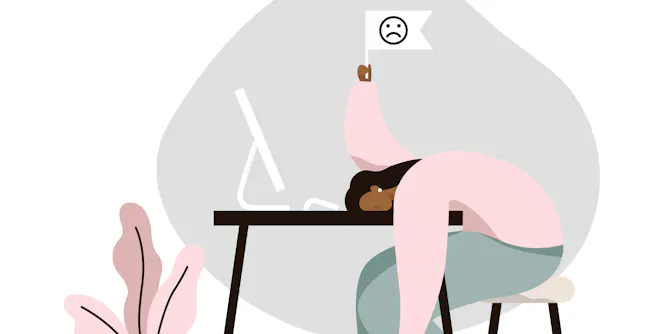
The cognitive effort of managing the conflicting messages of a working through a pandemic is tiring us out.
Articles on Burnout
Displaying 101 - 120 of 130 articles

Teachers’ professional lives can be highly demanding, pressured, stressful and at times, emotionally exhausting. But there’s an unspoken demand they suppress their emotions and just get on with it.

A new book presents burnout as a generational issue, but this is a trap.

By 2030, the WHO projects a worldwide workforce shortfall of about 18 million health-care workers, with potentially deadly consequences for patients, economies and our communities.
Preventing teacher burnout is a community responsibility we can address. If those who have become first responders in schools withdraw we will also see adverse effects on students.

Burnout can affect the type of care the patients receive.

Veterinarians are already at risk of emotional distress and burnout. The experiences of an Alberta veterinary practice shows COVID-19 is having a further impact.
Nurses on the front lines of a pandemic need education, training and institutional support.

Nearly 90% of emergency service staff have experienced stress, low mood and poor mental health.

Daily recovery can not only relieve burnout – it may also prevent it in the first place.

We need to recapture the humanity of the NHS and make doctors feel more than grinding cogs in a brutal machine.

Stress, and more chronic exhaustion such as burnout, is commonplace within the modern workplace.

A focus on more realistic performance outcomes can help students cope when things do not go to plan.

The food we eat and the products we use should not contribute to human misery. While companies hold some blame, so do consumers who avoid dealing with the consequences of their purchasing decisions.

In Nordic and Latin American countries, education systems promote well-being and resilience. The UK still has a lot to learn.

The benefits of midwifery for women and babies globally are clear. In Canada, innovations in midwifery centres and services are tempered by low pay and high rates of burnout.

Inequality, poverty, austerity, pollution and a faster pace of life all put strains on city-dwellers – but insights from psychology could help create a more supportive urban environment.

Doctor depression, burnout and suicide have been rising for some time, and overwork was considered the norm. A health care lawyer explains why the legal and regulatory systems must intervene.

A young athlete’s support network is key to their development and performance, according to sports psychologists.

A new French study shows people who regularly work ten-hour days have a 29% greater risk of having a stroke than their peers. Long hours also affect your relationships, sleep and mental health.
Top contributors
-

Director, Field Experience (Community-Based), Werklund School of Education, University of Calgary
-
Scientia Professor of Psychiatry, UNSW
-
Professor of Management, Deakin University
-
Clinical Psychologist, Te Herenga Waka — Victoria University of Wellington
-
RBC Professor in Responsible Organizations and Full Professor, Concordia University
-
Lecturer in Health, The Open University
-
Associate Professor, Family Medicine, Queen's University, Ontario
-
Associate professor of edcuational leadershiop and policy analysis, University of Missouri-Columbia
-
Professor of Education and 21st Century Endowed Chair in Teacher Quality, University of Arkansas
-
Assistant Professor of Education, Temple University
-
Associate Director of the Office for Education Policy, University of Arkansas
-
Postdoctoral Fellow, Saint Louis University
-
Associate Professor of Special Education, Boston University
-
Professor in Occupational & Organisational Psychology, Northumbria University, Newcastle
-
Business psychologist, Lancaster University