

While trauma can ripple across generations, its effects aren’t hard-coded in our genes.
Articles on Biology
Displaying 61 - 80 of 496 articles
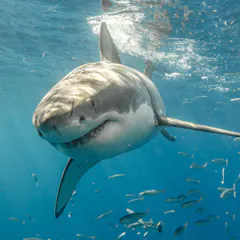
White sharks suffered great declines after the Jaws movie was released. But these iconic predators must be protected.

Can a new database of 3D bone scans help solve the mystery of the elusive ngudlukanta?
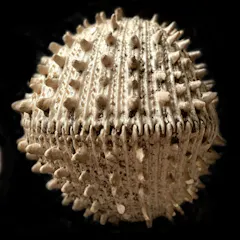
Not everything dies in a mass extinction. Sea life recovered in different and surprising ways after the asteroid strike 66 million years ago. Ancient fossils recorded it all.
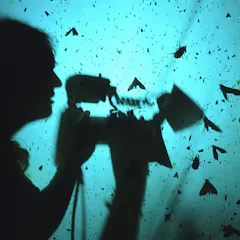
Miller moths migrate through the state every summer and are sometimes considered to be a pest.

Some say Latin names are elitist and incomprehensible, but they started out as a way to be inclusive.

The tools that feminist science studies have developed are critical to the sciences because they ask new questions, and develop new methodologies.

Figuring out whether de-extinction is possible is as much a technical puzzle as a philosophical one. Add two kinds of DNA to the mix, and it gets even more complex.

Insects are often under pressure from several threats at once, from pesticides to habitat loss to pollution.

Pushing a stroller changes how runners move, lowering some injury risks while raising others. Here’s what the biomechanics data reveals.
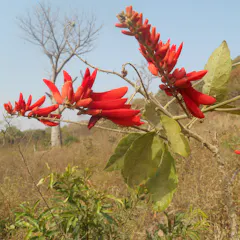
A new publication sheds light on the plants of Burkina Faso and Mali.
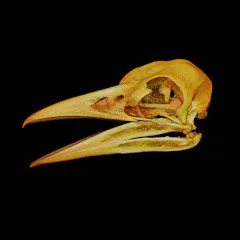
Bird beaks are incredibly diverse – but there’s a way to explain the pattern of their evolution.
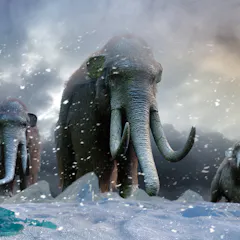
Are new approaches to recreating long-lost animals simply creating imitations?

Most of Australia’s plants rely on a hidden underground network of fungi for water and minerals. They could be in trouble – but we don’t have the data to know.

The question of whether viruses are alive or dead is a controversial one in science.
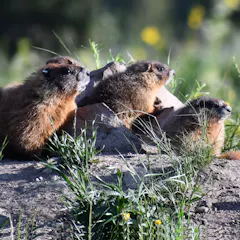
Multilevel selection is a controversial concept originally proposed by Darwin. A new study found evidence for it in the wild in a group of marmots scientists have been observing for more than 60 years.

Plants shape Earth’s atmosphere by moving carbon and water vapour. New research sheds light on how they learned to do it – and how it may change in future climates.
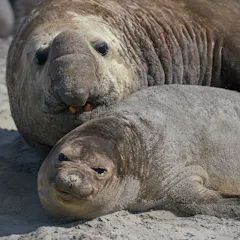
Males and females differing in body size is a common outcome of sexual selection.
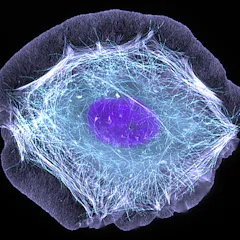
Textbooks usually depict the epithelial cells encasing the interior and exterior of your body as passive barriers. But researchers discovered they can produce electrical signals like neurons.
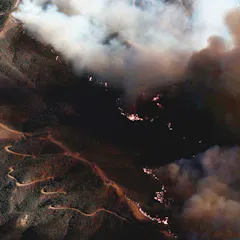
In this course, eight professors share their disciplinary perspectives to help students analyze proposed interventions for increasing wildfire risks.
Top contributors
-

Doctoral Student in Biochemistry, University of Washington
-
ARC Future Fellow, Behavioural Ecology, Macquarie University
-
Emeritus Strategic Professor in Palaeontology, Flinders University
-
Investigador Científico, Estación Biológica de Doñana (EBD-CSIC); The University of Western Australia
-
Senior lecturer, School of Biological Sciences, University of Bristol, University of Bristol
-
Postdoctoral Fellow, EPFL – École Polytechnique Fédérale de Lausanne – Swiss Federal Institute of Technology in Lausanne
-
Biologist
-
Professor of Entomology, North Carolina State University
-
Principal Lecturer in Wildlife Conservation, Nottingham Trent University
-
Fellow, Keele University
-
Lecturer, Macquarie University
-
Senior Lecturer in Molecular Biology, University of Sydney
-
Professor of Biological Sciences, University of Maryland, Baltimore County
-
Chercheur à l’Institut de systématique, évolution, biodiversité (ISYEB), Muséum national d’histoire naturelle (MNHN)
-
Mark Elgar is a Friend of The Conversation.
Emeritus Professor of Evolutionary and Behavioural Ecology, The University of Melbourne