
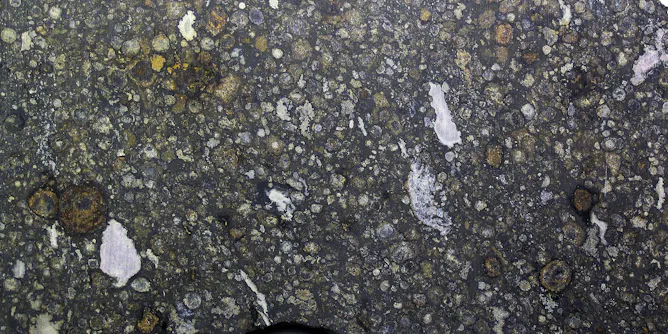
A new machine learning model explores the boundary between biological and nonbiological chemistry.
Articles on Biology
Displaying 41 - 60 of 496 articles
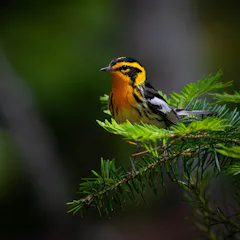
Interbreeding across species lines is one way helpful genes can spread into a bird population.
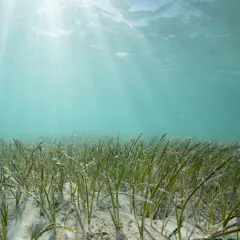
Scientists are using mollusk shells to evaluate the health of Florida’s seagrass ecosystems.
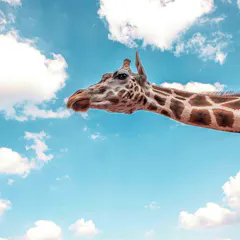
Giraffes might be about as tall as a land animal can get.

Studying charismatic species increased the likelihood of negative workplace experiences for younger colleagues, women and researchers.

Isolating the impacts of climate change is hard. But a new study shows how ancient fossils can help.
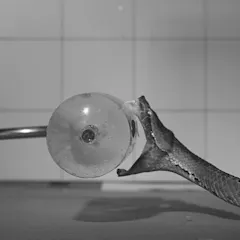
A new study shows how different snake species have evolved very different strategies to deliver their deadly bites.

Astronauts generally can’t look out the window like you might in a car – a ‘virtual window’ could instead serve that purpose.
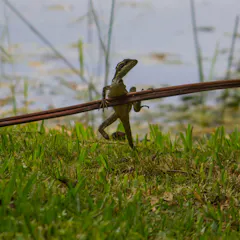
Most lizards probably don’t survive devastating injuries. But a new study documents 122 cases of limb loss across 58 species – these exceptions shine a new light on natural selection.
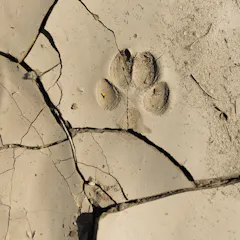
From snails to skunks, squirrels to cicadas, most of our neighbors are quiet and seldom interact with us, but they play important roles in the world.

Biosphere 2 isn’t just the site of a famous human experiment. Today, scientists there work to understand how life emerges in barren environments.
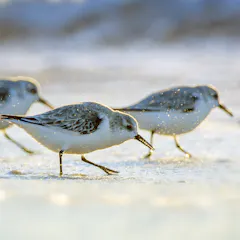
Birds can seem amazingly social as they fly and roost together. But why do they really hang out? Let’s take a closer look at the social lives of birds.
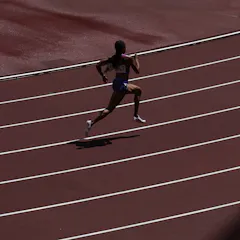
The same principles that help athletes on the court, field or track can help you regulate stress and adapt to changes in everyday life.

Not only are weaver ants not plagued by a drop in teamwork efficiency, but they’re actually ‘superefficient’.
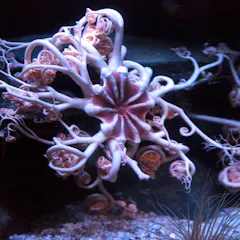
Deep-sea creatures from Iceland to Tasmania are more closely related than anybody realised.
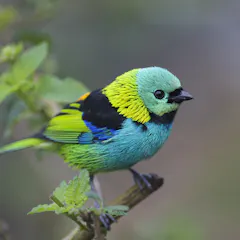
A secret under-layer explains why songbirds’ colourful feathers look so damn good.
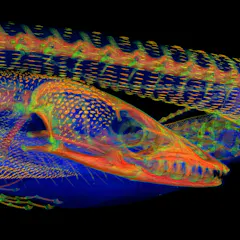
Australian goannas adapted remarkably well to harsh climates. Scientists looking for hidden bone structures in lizards may be a step closer to learning why.

A biography of scientists Carl Linnaeus and Georges-Louis LeClerc explores the complex, disparate lives of two brilliant men who shaped the study of natural history.
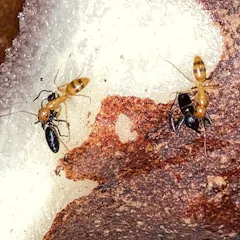
Squamellaria plants grow special structures to host the ants they symbiotically rely on for nutrients. Distinct compartments help different ant colonies live peacefully side by side.
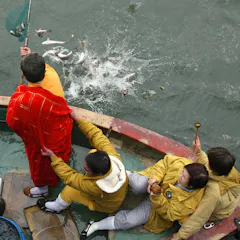
Humans change the urban landscape with religious, cultural and political activities, which in turn can influence the evolution of urban animals and plants.
Top contributors
-

Doctoral Student in Biochemistry, University of Washington
-
ARC Future Fellow, Behavioural Ecology, Macquarie University
-
Emeritus Strategic Professor in Palaeontology, Flinders University
-
Investigador Científico, Estación Biológica de Doñana (EBD-CSIC); The University of Western Australia
-
Senior lecturer, School of Biological Sciences, University of Bristol, University of Bristol
-
Postdoctoral Fellow, EPFL – École Polytechnique Fédérale de Lausanne – Swiss Federal Institute of Technology in Lausanne
-
Biologist
-
Professor of Entomology, North Carolina State University
-
Principal Lecturer in Wildlife Conservation, Nottingham Trent University
-
Fellow, Keele University
-
Lecturer, Macquarie University
-
Senior Lecturer in Molecular Biology, University of Sydney
-
Professor of Biological Sciences, University of Maryland, Baltimore County
-
Chercheur à l’Institut de systématique, évolution, biodiversité (ISYEB), Muséum national d’histoire naturelle (MNHN)
-
Mark Elgar is a Friend of The Conversation.
Emeritus Professor of Evolutionary and Behavioural Ecology, The University of Melbourne