
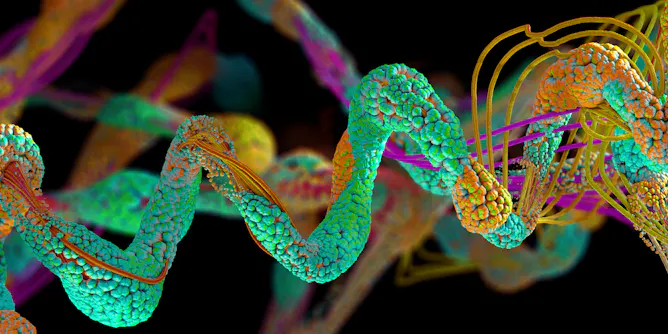
Science has a need to verify results, but DeepMind’s protein prediction tool doesn’t work this way.
Articles on Biology
Displaying 101 - 120 of 496 articles
Researchers can create ‘single-cell radios’ using bacterial proteins to transmit the invisible activities within cells.

The AI model can predict structures for a vast array of the proteins used by living organisms.

The Perseverance rover has arrived at what’s thought to be an ancient shoreline on Mars.
Calcite, the material making up fossilized eggshells, may preserve amino acids better than bone.

In her new book, Who’s Afraid of Gender?, feminist philosopher Judith Butler explains how gender and sex are socially constructed, while fighting critics who see gender as a threat to the social order.
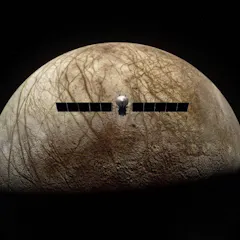
An instrument on the Europa Clipper mission might be able to detect biological cells from space.
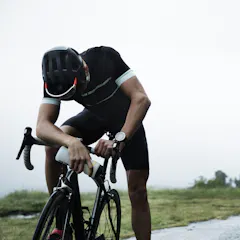
An elite athlete’s metabolism mostly looks different from a patient with COVID-19 − but their occasional similarities can reveal important insights into health and disease.

Atlantic halibut are making a strong comeback in the Gulf of St. Lawrence. But how do we know where the fish move throughout their lives?
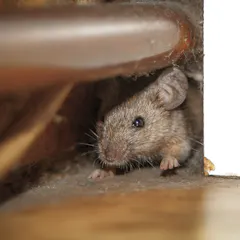
An evolutionary biologist is studying what these resilient urban pests can teach us about adaptation and evolution.
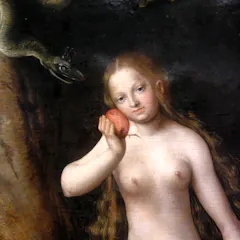
The story of human evolution is inextricable from the story of gynaecology.
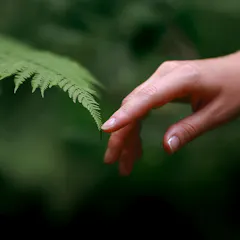
Our bodies have a dedicated channel for sensing only the very lightest of touches.

What if plants in the area surrounding a nuclear reactor could act as radiation detectors, with the help of a drone?

Robots often have a hard time navigating through debris, but robots designed based on worms and snakes could move around obstacles faster, thanks to an idea called mechanical intelligence.

Sugar molecules called glycans cover the surface of all cells, acting as ID cards that broadcast what they are to the rest of the body.
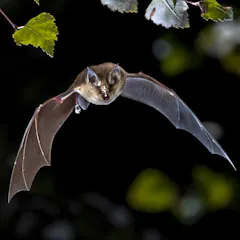
Maths plays a crucial role in new research which finds that bats “leapfrog” their way home at night.

While NASA rovers on the surface of Mars look for hints of life, researchers back on Earth are studying ‘echoes of life’ from ancient basins – hoping that the two sites might be similar.
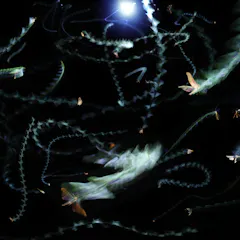
A new study shows how artificial light at night scrambles insects’ normal flight patterns, pulling them off course into orbit around the light.

Anchovies cause a stir as they mate – getting the oceans moving.
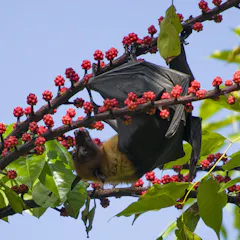
Fruit bats can eat up to twice their body weight in fruit a day. But their genes and cells evolved to process all that sugar without any health consequences − a feat drug developers can learn from.
Top contributors
-

Doctoral Student in Biochemistry, University of Washington
-
ARC Future Fellow, Behavioural Ecology, Macquarie University
-
Emeritus Strategic Professor in Palaeontology, Flinders University
-
Investigador Científico, Estación Biológica de Doñana (EBD-CSIC); The University of Western Australia
-
Senior lecturer, School of Biological Sciences, University of Bristol, University of Bristol
-
Postdoctoral Fellow, EPFL – École Polytechnique Fédérale de Lausanne – Swiss Federal Institute of Technology in Lausanne
-
Biologist
-
Professor of Entomology, North Carolina State University
-
Principal Lecturer in Wildlife Conservation, Nottingham Trent University
-
Fellow, Keele University
-
Lecturer, Macquarie University
-
Senior Lecturer in Molecular Biology, University of Sydney
-
Professor of Biological Sciences, University of Maryland, Baltimore County
-
Chercheur à l’Institut de systématique, évolution, biodiversité (ISYEB), Muséum national d’histoire naturelle (MNHN)
-
Mark Elgar is a Friend of The Conversation.
Emeritus Professor of Evolutionary and Behavioural Ecology, The University of Melbourne