
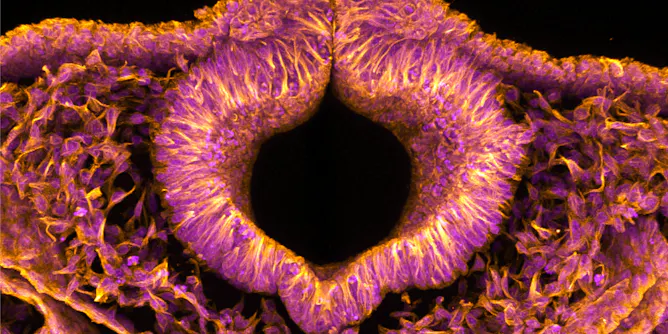
A fluorescent embryo allows scientists to watch living cells organise themselves in real time, revealing processes previously impossible to observe.
Articles on Biology
Displaying 21 - 40 of 495 articles

New EU legislation supporting healthier soils was adopted in December 2025 incorporating environmental DNA analysis which is proving useful but not totally efficient.
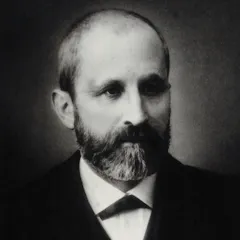
Working on human pus in a medieval castle, Miescher discovered a substance that would eventually unlock our understanding of how life works.
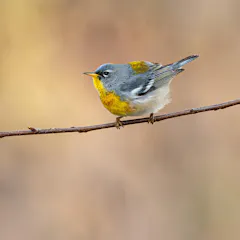
Males aren’t the only angry birds defending their territory. A clever test finds which songbirds step up to fight off intruders and the role monogamy plays.
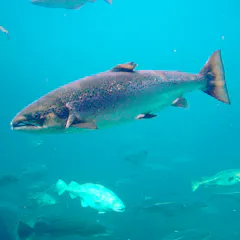
Drugs and their byproducts can end up in wild fish – and strange behaviour results.
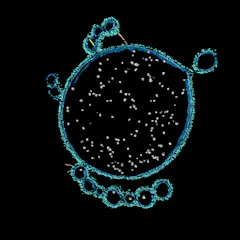
Stromatolites might look like rocks. But they are living relics of ancient systems that thrived on Earth billions of years ago.
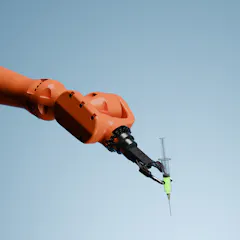
Researchers have found that even people with limited experience in biology can use AI to help them create a dangerous pathogen.
AI is making waves in health care and medicine. Does the technology have the potential for breakthroughs in how we tackle disease, dysfunction and aging?
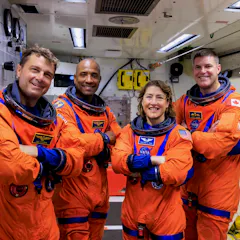
Space is extremely dangerous, but people can still do more than robotic explorers can – in terms of technical achievements and inspiring public interest.
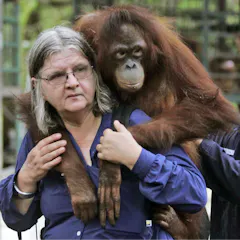
With Jane Goodall and Dian Fossey, Galdikas changed the face of science and opened the world’s eyes to how similar humans are to orangutans and other primates.

A new report finds 325 migratory fish species in urgent need of help, including some of the world’s most iconic freshwater giants.

As you get older, the muscles your body uses to chew can weaken, which may make enjoying holiday treats like Easter candy more difficult.
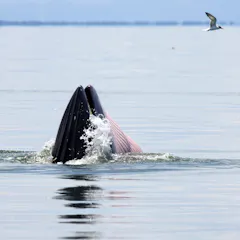
Biological matter left behind in the water allows us to follow these animals without ever setting eyes on them.
Invasive alien species don’t only drive out other native species, they also dramatically transform soils, water and ecosystems. A new assessment tool aims to pinpoint the negative environmental impacts.

The appendix has independently evolved at least 32 times across 361 mammalian species. What makes it an evolutionary darling when it’s more of a medical liability today?
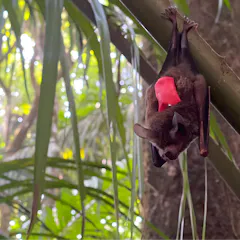
By listening in on their nightly hunts, scientists discovered that small, fringe-lipped bats are unexpectedly able to efficiently take down prey nearly their own size.
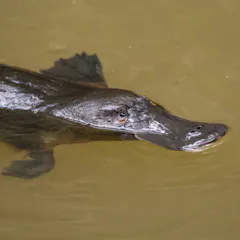
All species alive today, from chimpanzees to bacteria, are cousins that each have equally long lineages, rather than ancestors or descendants of one another.
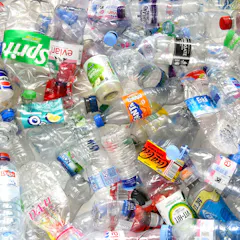
Scientists question whether alarming reports of plastic particles in human organs are accurate or the result of laboratory contamination.
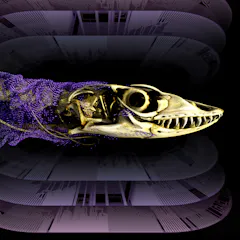
Reptile armour has a wild backstory.
A new machine learning model explores the boundary between biological and nonbiological chemistry.
Top contributors
-

Doctoral Student in Biochemistry, University of Washington
-
ARC Future Fellow, Behavioural Ecology, Macquarie University
-
Emeritus Strategic Professor in Palaeontology, Flinders University
-
Investigador Científico, Estación Biológica de Doñana (EBD-CSIC); The University of Western Australia
-
Senior lecturer, School of Biological Sciences, University of Bristol, University of Bristol
-
Postdoctoral Fellow, EPFL – École Polytechnique Fédérale de Lausanne – Swiss Federal Institute of Technology in Lausanne
-
Biologist
-
Professor of Entomology, North Carolina State University
-
Principal Lecturer in Wildlife Conservation, Nottingham Trent University
-
Fellow, Keele University
-
Lecturer, Macquarie University
-
Senior Lecturer in Molecular Biology, University of Sydney
-
Professor of Biological Sciences, University of Maryland, Baltimore County
-
Chercheur à l’Institut de systématique, évolution, biodiversité (ISYEB), Muséum national d’histoire naturelle (MNHN)
-
Mark Elgar is a Friend of The Conversation.
Emeritus Professor of Evolutionary and Behavioural Ecology, The University of Melbourne