
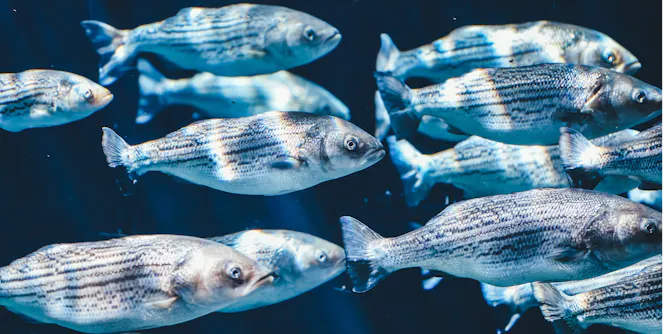
As antibiotic resistance increases globally, the heat is on to find new alternatives to treat infections. Chemists can get a head start by looking at compounds produced in nature by fishes’ microbes.
Articles on Antibiotics
Displaying 141 - 160 of 303 articles
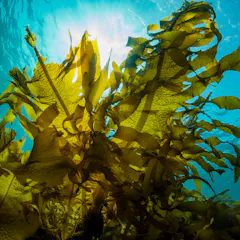
Feeding pigs seaweed could make them, us and the planet healthier without contributing to antibiotic resistance in bacteria.
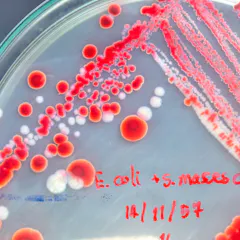
New technology could help doctors identify the right antibiotic for their patient in double-quick time.
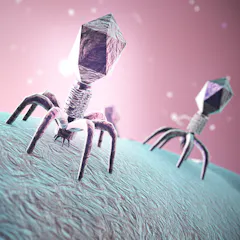
Bacteria are becoming resistant to even the most powerful antibiotics. These expensive, hard-to-treat infections are prompting physicians to reassess using viruses to destroy bacteria.
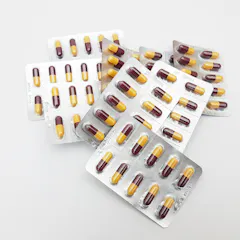
New research suggests that raising public awareness about antimicrobial resistance may have unintended consequences.
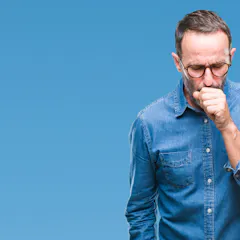
Whooping cough is making a comeback. Here’s how to identify it, and why vaccination is a way to protect babies.
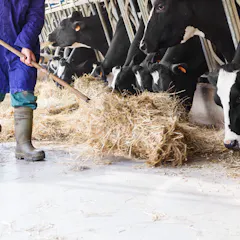
Q fever explained.
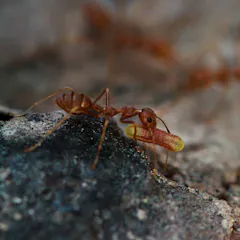
Hydrogen peroxide is a chemical that can kill germs. It is found in two things many ants love to eat: nectar and honey dew.
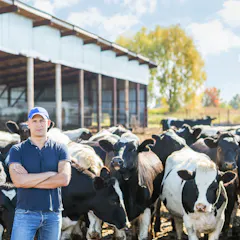
Farmers are closest to the land and their livestock, and have everything to lose by not taking care of it.
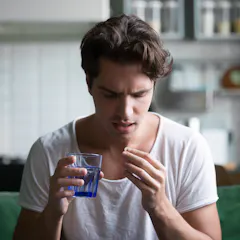
It’s hard to predict how long it will take to feel better after you start taking antibiotics. But if you start feeling worse one to two days after starting the therapy, you must see your doctor.
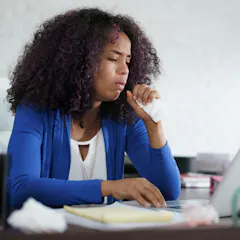
The overuse of antibiotics puts vulnerable patients and society at risk.
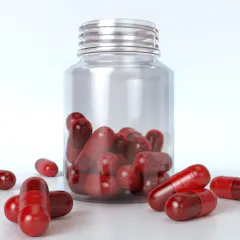
Probiotics might avert a case of diarrhoea, or they could mean your gut takes longer to return to normal.
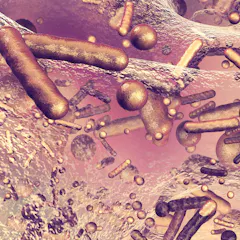
The end of effective antibiotics will be frightening. Life expectancy will fall dramatically and people of all ages will die from illnesses that we are used to treating with $10 worth of pills.
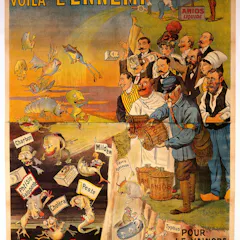
Our view of this essential dimension of earth’s biome has been shaped by the manufacturers of cleaning products.
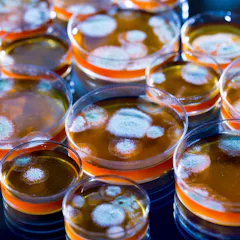
Alexander Fleming’s work has helped countless people over the last nine decades.

It’s not a matter of if, but when, the next deadly pandemic will strike. Will the world be ready?

Farm animals are the subject of WHO initiatives around antibiotics, but domestic pets could actually be a bigger risk.
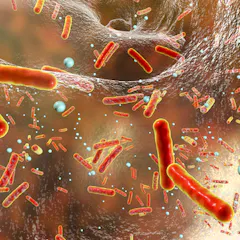
Triclosan, an ingredient in soap and many household cleansers, has gained a bad reputation. A recent study looking for a way to boost an antibiotic, however, found that tricloscan did a great job.
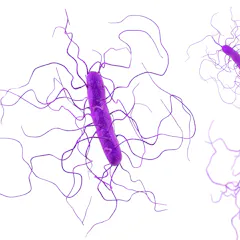
A new type of antibiotic uses DNA to fight a common deadly microbe, Clostridium difficile. These new drugs are inexpensive and adaptable and can be modified to target any bacterium, lowering the chance of drug resistance.
Getting rid of this scourge is nothing to be sneezed at.
Top contributors
-

Senior Research Fellow, School of Medicine, The University of Western Australia
-
Professor of Infectious Diseases and Microbiology, Australian National University
-
Professor, The University of Queensland
-
Prof. Institute for Molecular Bioscience, The University of Queensland
-
Professor of Infectious Diseases, Monash University
-
Dean of the College of Science, Professor of Biochemistry, Rochester Institute of Technology
-
Senior Lecturer in Microbiology, Aston University
-
Professor of Biochemistry and Biomedical Sciences, McMaster University
-
Professor of Public Health, Bond University
-
Professor of Public Health, Newcastle University
-
Professor of Molecular Evolution, Macquarie University
-
Professor of Infectious Diseases, University of Cape Town
-
Professor at ANU Medical School; Senior Staff Specialist Infectious Diseases; General Physician, Australian National University
-
Director Of Medicine, The Maitland and Kurri Kurri Hospital, University of Newcastle
-
Assistant Professor, Johns Hopkins University