
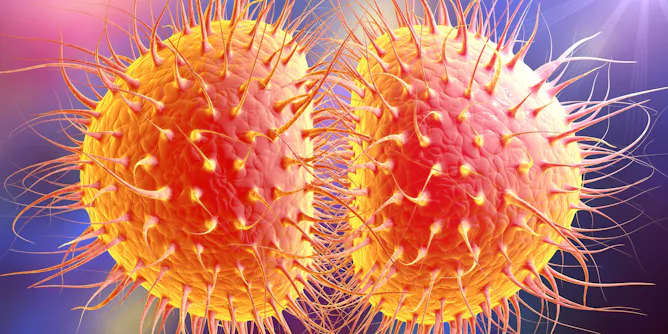
Without leading edge innovations and coordination, Canadians will die from the epidemic of antibiotic resistant infections.
Articles on Antibiotics
Displaying 181 - 200 of 303 articles
Speaking with: Dr Mark Blaskovich on antibiotic-resistant bacteria and the threat of superbugs
The Conversation, CC BY-ND45.2 MB (download)
William Isdale speaks with Mark Blaskovich about his research into antibiotic-resistant bacteria and the threat these superbugs pose to communities.
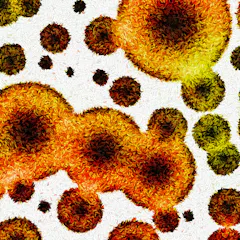
In the last decade we’ve seen a ten-fold increase in the number of bacteria resistant to last-resort antibiotics.

A study that shows GPs are prescribing about five million too many antibiotic scripts a year means we have to take a radical new approach to reducing use of these drugs.

For most of the twentieth century, we were at war with microbes, leading to substantial changes in our body’s ecosystem. This has changed our diets, disease profile, moods and even personalities.

Infection of wounds for surgery patients is on the rise in developing countries. A shorter dose of antibiotics is appropriate.

An independent expert provides his pick of the most notable drugs added to the PBS on May 1, 2017.

Eat less meat, save the world
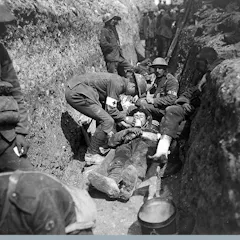
When commemorating our troops, doctors and nurses this Anzac Day, consider also tipping your hat to the discovery of bacteriophages. In the post-antibiotic era, our health might just depend on them.

Until recently we didn’t know much about which antibiotic is best for people who have been attacked by a crocodile.

Both GPs and patients need to wake up to the immediate risk that antibiotic misuse poses.

A team of medievalists and scientists look back to history – including a 1,000-year-old eyesalve recipe – for clues to new antibiotics.

Taxing meat may be unpopular, but an urgent problem calls for an urgent solution.

A cheap antibiotic may help prevent the formation of fearful memories.
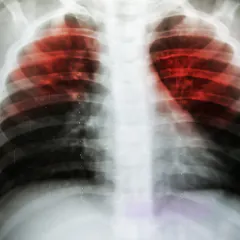
In Australia, there are around 1200 to 1300 cases of tuberculosis each year which means we are among the lowest-risk countries in the world.
Resistance is growing but there are ways that hospitals – as well as the public – can stem the tide.

We’re in danger of losing the health benefits of soils faster than they are replaced.
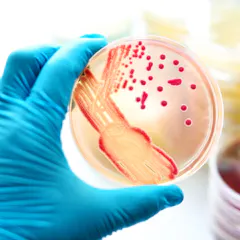
This research could provide an answer to some of the problems posed by antibiotic resistance.
Antibiotics are wrongly being prescribed for infections where they won’t work and cutting this down could help combat resistance. But change isn’t as easy as just providing the means.

Unless we do something about about antibiotic pollution in the world’s waterways, the next trip you take to the coast for a seafood dinner just might be your last.
Top contributors
-

Senior Research Fellow, School of Medicine, The University of Western Australia
-
Professor of Infectious Diseases and Microbiology, Australian National University
-
Professor, The University of Queensland
-
Prof. Institute for Molecular Bioscience, The University of Queensland
-
Professor of Infectious Diseases, Monash University
-
Dean of the College of Science, Professor of Biochemistry, Rochester Institute of Technology
-
Senior Lecturer in Microbiology, Aston University
-
Professor of Biochemistry and Biomedical Sciences, McMaster University
-
Professor of Public Health, Bond University
-
Professor of Public Health, Newcastle University
-
Professor of Molecular Evolution, Macquarie University
-
Professor of Infectious Diseases, University of Cape Town
-
Professor at ANU Medical School; Senior Staff Specialist Infectious Diseases; General Physician, Australian National University
-
Director Of Medicine, The Maitland and Kurri Kurri Hospital, University of Newcastle
-
Assistant Professor, Johns Hopkins University